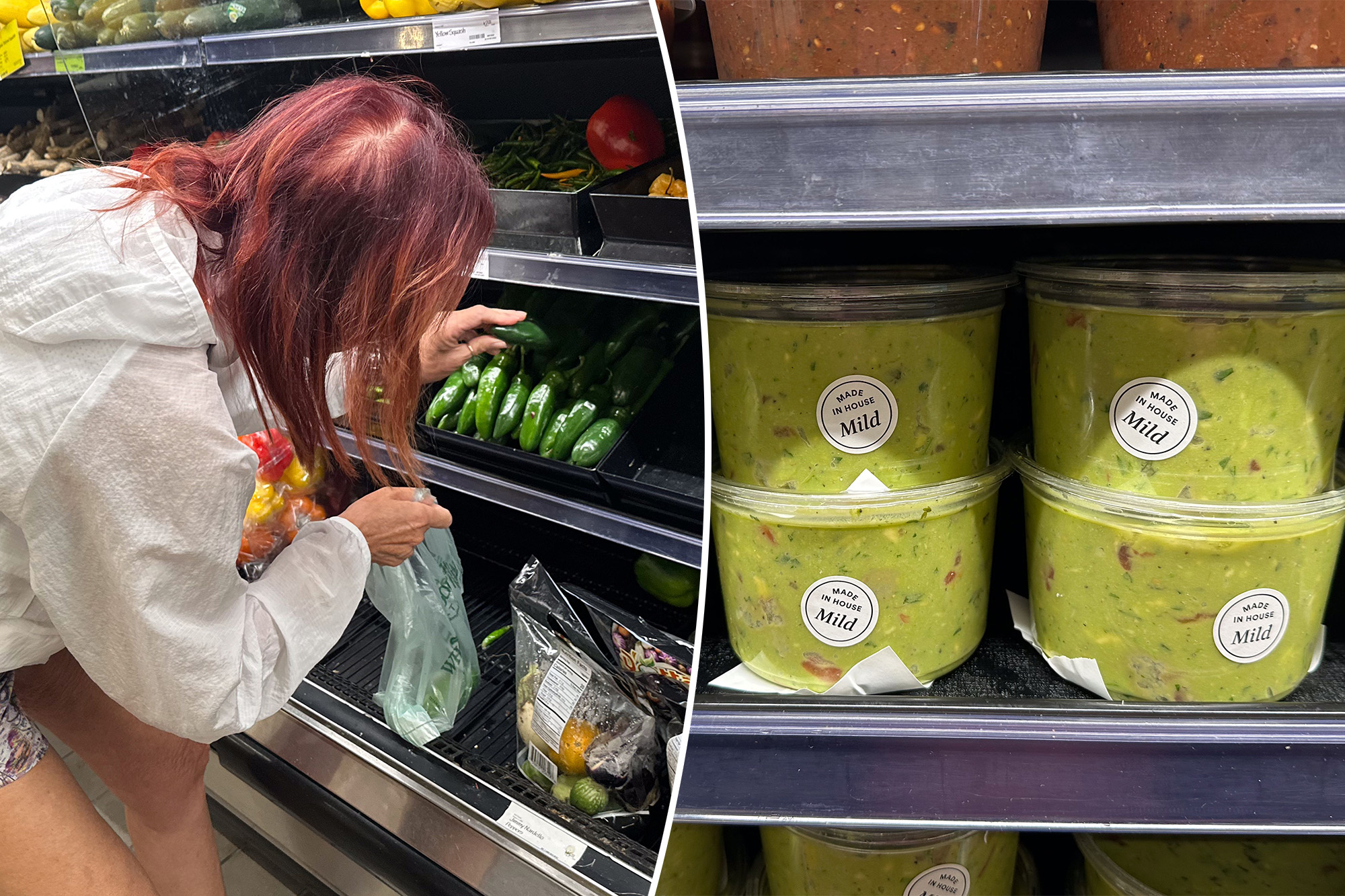

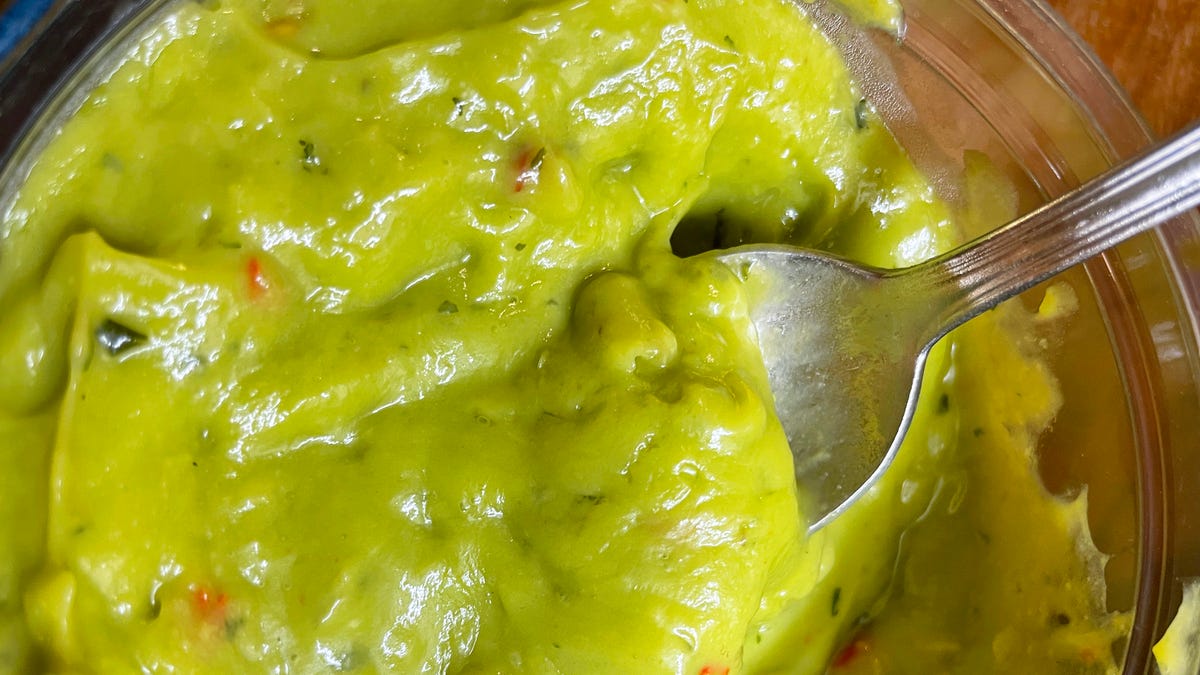
Whole Foods guacamole is not automatically recalled because it contains jalapeño or was sold at a Whole Foods store. The available evidence identifies a narrower recall involving select products made with jalapeños supplied by Coast Citrus Distributors. USA TODAY reported that the FDA classified the related guacamole recall as Class I, meaning the agency determined there was a reasonable probability that use of the recalled products could cause serious adverse health consequences or death. Consumers should compare the product identifiers in the official notice before deciding what to do.
The FDA’s supplied outbreak page says consumers should not eat, serve or sell recalled fresh jalapeños or products containing recalled jalapeños while the investigation continues. The FDA recall announcement for Whole Foods says the company recalled select items from its Produce and Prepared Foods departments because of possible Salmonella contamination. The evidence does not establish that every guacamole container, every store location or every product with a similar appearance is affected.
Which Whole Foods products are involved?
The Whole Foods announcement covers finished products such as dips, salsa, guacamole and other prepared foods containing jalapeños sourced from Coast Citrus Distributors. The company said its announcement was updated to remove products that were seasonal, discontinued or not available for sale during the recall period.
USA TODAY reported that the specific item at issue in the Class I classification was Whole Foods Mild Guacamole Dip. According to that report, the recalled units were sold in clear plastic containers with best-before or use-by dates ranging from Aug. 7 to Aug. 12, 2026. The reported affected PLU codes were 21211600000, 21501700000, 25705700000, 25054100000 and 25926000000, with the last code associated with a Dip Trio. The report also identified packing locations in Akron, Ohio, and Austin, Texas, and said the products were sold in 12 states: Ohio, Illinois, Indiana, Iowa, Kentucky, Louisiana, Michigan, Missouri, Oklahoma, Texas, Arkansas and Wisconsin.
Those details come from the independent USA TODAY report. The supplied FDA excerpts do not display the complete product table or reproduce all of those identifiers. Because recall status must be determined from exact identifiers in an official notice, shoppers should use the FDA’s current recall announcement or Whole Foods’ official notice as the controlling source.
How to check a container safely
- Stop using the product while you verify it. Do not taste the guacamole to determine whether it is affected. The FDA’s outbreak guidance says not to eat, serve or sell recalled products containing the implicated jalapeños.
- Read the finished-product label. Check the product name, package information, date and any code or identifier shown on the container. A general match such as “guacamole” or “Whole Foods” is not enough to establish that a package is recalled.
- Compare the information with the official notice. The relevant notice may distinguish among products, dates, locations and codes. If the identifier is missing, unclear or does not match, the evidence supplied here cannot confirm whether that particular item is affected.
- Follow the official action exactly. The available materials support not eating, serving or selling a product that is confirmed as recalled. The supplied FDA excerpt does not include the full consumer-remedy language, so use the current FDA or Whole Foods notice for instructions about disposal, return or a refund.
Why the FDA classification matters
The Class I label is a regulatory risk classification, not a statement that every unit caused an illness. USA TODAY reported that the classification was made Aug. 20, 2026, in connection with possible Salmonella contamination. The same report said no illnesses had been reported specifically from the recalled Whole Foods products, while the broader investigation involved jalapeños supplied by Coast Citrus Distributors.
The distinction matters for decision-making. A Class I classification signals the FDA’s assessment of the potential consequence if a recalled product is used; it does not expand the recall to visually similar products or prove that a particular container is contaminated. The affected status still depends on the official product identifiers.
What symptoms are associated with Salmonella?
The FDA announcement says Salmonella can cause fever, diarrhea, nausea, vomiting and abdominal pain. It also warns that infections can be serious or fatal in young children, older or frail people and people with weakened immune systems. In rare cases, the organism can enter the bloodstream and cause more severe illness.
The evidence pack does not provide individualized medical guidance or establish that anyone who ate a recalled product will become ill. If someone develops concerning symptoms after eating a product confirmed in the official notice, the safest next step is to consult a qualified health professional and identify the product and date information if available. Do not use an ingredient check, smell, appearance or store location alone to rule a product in or out.
What remains unverified
The FDA says its investigation is ongoing. The supplied material does not provide a verified deadline for returning the product, a complete official list of all package sizes and dates, or a confirmed payment or refund eligibility rule. It also does not show whether additional products or identifiers were added after the notices cited here.
For that reason, the practical answer is conditional: do not consume a package that matches the current official recall notice, and do not assume an unmatched product is affected merely because it contains jalapeño. Recheck the FDA and Whole Foods notices for the latest identifiers and instructions before taking a final action.
The useful consumer question is not whether all Whole Foods guacamole is recalled, but whether a specific package matches the official notice. FDA materials confirm a recall involving select Whole Foods prepared foods containing jalapeños linked to an ongoing Salmonella investigation. An independent USA TODAY report adds details about Mild Guacamole Dip, reported PLU codes, dates, packing locations and states, but the supplied FDA excerpt does not reproduce the complete product table. Consumers should therefore treat exact identifiers as decisive, avoid using the product while checking, and follow the current FDA or Whole Foods instructions for any confirmed match.
Sources and methodology
- FDA Classifies Guacamole Recall at Highest Risk Level amid Investigation into Salmonella Outbreak Linked to Jalapeño Supplier - https://www.fda.gov/food/outbreaks-foodborne-illness/outbreak-investigation-salmonella-jalapeno-august-2026
- Whole Foods Market Announces a Recall of Select Salsas, Guacamole ... - https://www.fda.gov/safety/recalls-market-withdrawals-safety-alerts/whole-foods-market-announces-recall-select-salsas-guacamole-pico-de-gallo-and-prepared-foods
- Whole Foods guacamole recall receives FDA's highest risk level - https://www.usatoday.com/story/money/consumer-protection/recalls-alerts/2026/08/28/whole-foods-guacamole-recall-classified-under-fda-highest-risk-level/91512331007
- Investigation Update: Salmonella Outbreak, August 2026 - CDC - https://www.cdc.gov/salmonella/outbreaks/javiana-08-26/investigation.html