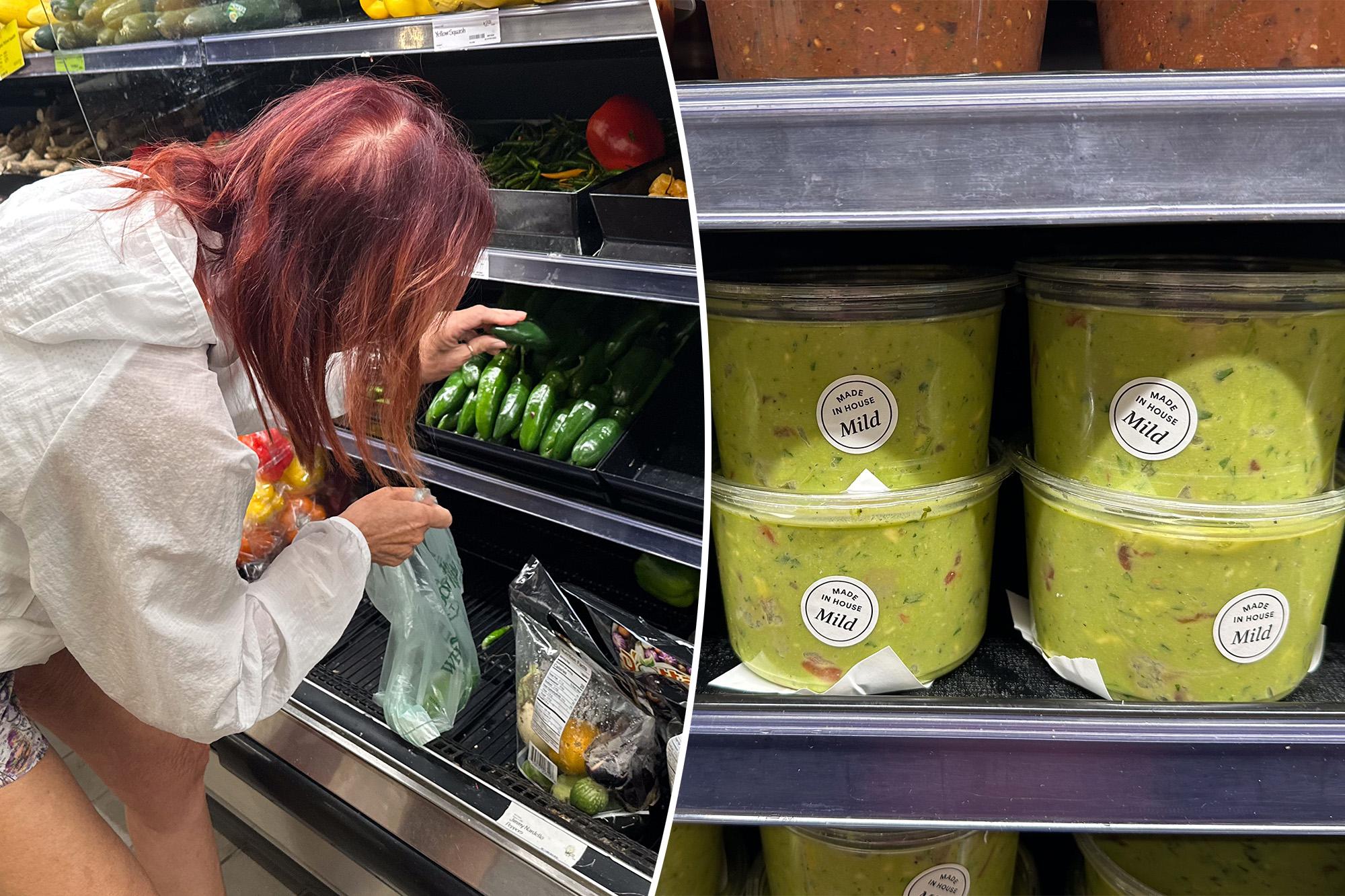

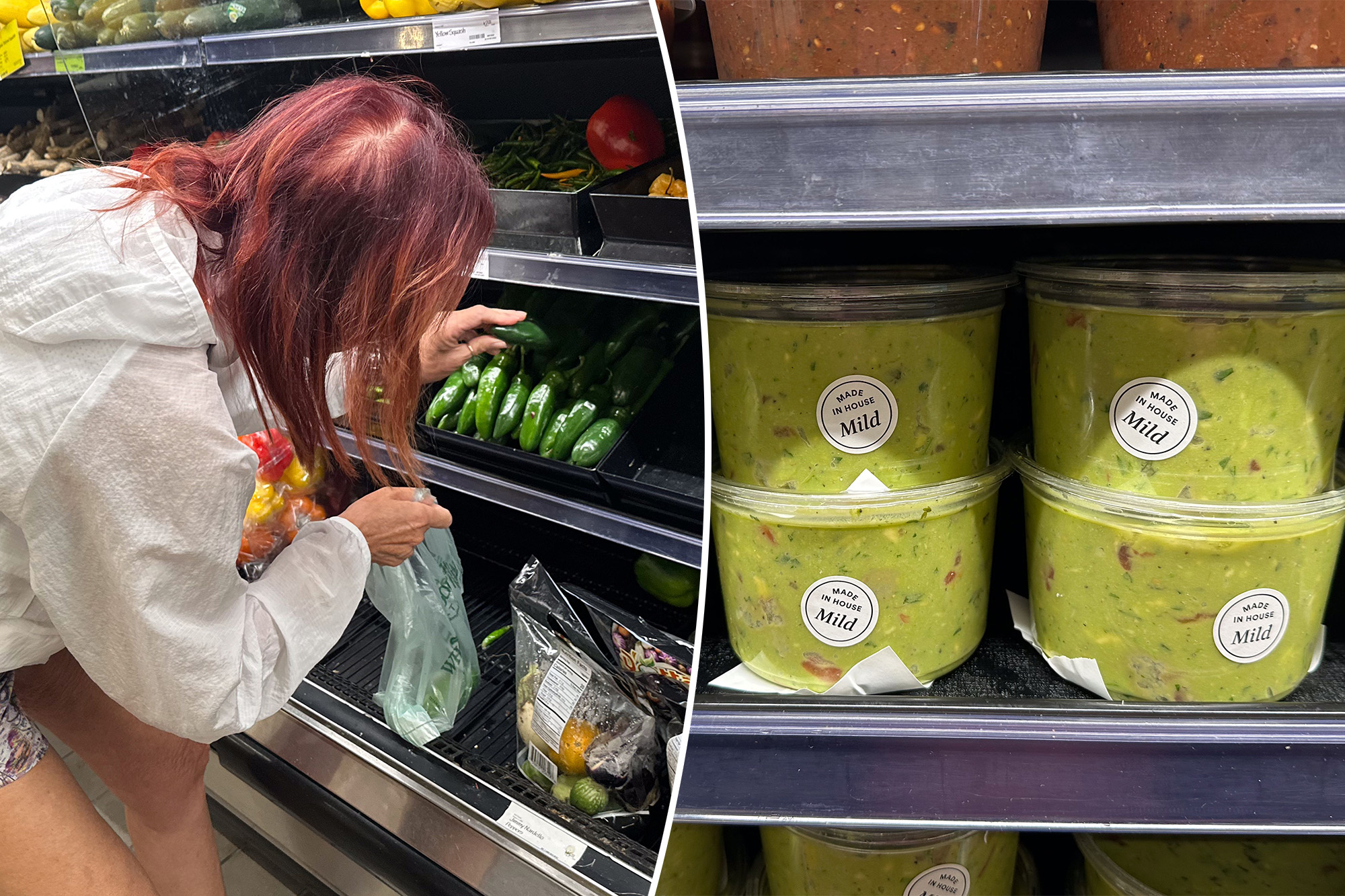
What should you do if you have Whole Foods guacamole or another prepared dip? Do not decide based only on flavor, appearance, ingredients or the store where you bought it. The FDA says Whole Foods recalled select guacamole, salsa, pico de gallo and prepared-food products because they may contain jalapeños supplied by Coast Citrus Distributors. The supplied evidence does not include the complete U.S. identifier table, so it cannot confirm whether a specific package is affected. Check the official FDA notice and any updated Whole Foods instructions against the exact product details before consuming, using, selling or serving it.
Aug. 12: Whole Foods announces the recall
Whole Foods announced the recall on Aug. 12, 2026, according to the FDA’s official recall page. The announcement covers selected products from the company’s Produce and Prepared Foods departments that contain jalapeños sourced from Coast Citrus Distributors. The FDA describes the reason as potential Salmonella contamination.
The FDA page identifies the recalled category broadly as finished products such as dips, salsa, guacamole and other prepared foods containing jalapeño. It also says the company updated its announcement to remove seasonal or discontinued recipes and products that were not available to customers or not sold in stores during the recall period.
A separate Canadian government notice published Aug. 13 lists Whole Foods Market guacamole, pico de gallo, salsa and prepared-food products distributed online in Ontario. That notice includes several product descriptions and date ranges, but Canadian identifiers do not by themselves establish that a package bought in the United States is affected.
Aug. 27: The FDA classification raises the stakes
An Aug. 27 report said the FDA upgraded the Whole Foods recall to Class I, the agency’s highest-risk recall classification. The report quoted the FDA’s definition of Class I as involving a reasonable probability that use of, or exposure to, the violative product will cause serious adverse health consequences or death.
That classification describes the potential consequence of the recalled products; it does not mean every Whole Foods guacamole or salsa package is contaminated. It also does not replace the product-level identification process. A package should be treated as affected only when it matches the official notice’s verified details.
The same report said the recall involved nearly 13,000 Whole Foods dips, salsas and guacamole products and that selected products were sold in Arkansas, Illinois, Indiana, Iowa, Kentucky, Louisiana, Michigan, Missouri, Ohio, Oklahoma, Texas and Wisconsin. The supplied FDA excerpt does not provide the full product count or state-by-state identifier table, so readers should verify those details against the live official notice.
How to check a package safely
- Use the official recall notice. Start with the FDA page for Whole Foods Market’s announcement and look for any updated product photos or attachments.
- Match the exact item. Compare the brand, product name, package size, UPC, lot or batch code, best-by or use-by date and sale location or date when those details are provided.
- Do not use a shortcut. A jalapeño ingredient, a familiar Whole Foods label, a particular flavor or a purchase from one of the listed states is not enough to confirm or rule out an item.
- Follow the notice’s action. The official instructions control whether consumers should avoid consuming the product, return it, discard it or contact Whole Foods. The evidence supplied here does not state a refund deadline.
The evidence pack does not provide the complete U.S. product list, so a reader cannot responsibly confirm an individual package from the information available here alone. If the official notice does not clearly match the item, the correct conclusion is that the supplied evidence cannot confirm it—not that the product is safe.
What is known about Salmonella exposure
The FDA says Salmonella can cause fever, diarrhea, nausea, vomiting and abdominal pain. Its announcement warns that infection can be serious or fatal in young children, frail or elderly people and others with weakened immune systems. The agency also describes rare complications in which the organism enters the bloodstream and contributes to more severe illness.
The Aug. 27 report said the broader outbreak linked to fresh jalapeños had sickened 431 people in 32 states and hospitalized 57 people as of Aug. 21, with no deaths reported. Those figures describe the broader outbreak, not confirmed illnesses caused by the Whole Foods products. The report said no illnesses had been reported specifically in connection with those Whole Foods products at the time of publication.
What changes the answer
The answer changes if Whole Foods or the FDA publishes a fuller U.S. identifier list, adds products, narrows the distribution area or provides a consumer remedy and deadline. Until then, do not infer recall status from the product’s appearance, recipe or purchase location. Use the exact identifiers in the current official notice and follow only the action stated there.
The durable consumer question is not whether all Whole Foods guacamole is unsafe, but whether a particular package matches the official recall. Whole Foods announced the recall Aug. 12, 2026, over possible Salmonella contamination tied to jalapeños from Coast Citrus Distributors. A separate report said the FDA later classified it as Class I. Because the supplied FDA excerpt does not contain the complete U.S. identifier table or a refund deadline, readers should verify the exact product, package and date details in the current official notice before deciding what to do.
Sources and methodology
- FDA upgrades recall on Whole Foods guacamole to highest threat level - https://www.aol.com/articles/fda-upgrades-recall-whole-foods-210806000.html
- Whole Foods Market Announces a Recall of Select Salsas, Guacamole ... - https://www.fda.gov/safety/recalls-market-withdrawals-safety-alerts/whole-foods-market-announces-recall-select-salsas-guacamole-pico-de-gallo-and-prepared-foods
- Certain Whole Foods Market brand guacamoles, pico de gallos, salsas ... - https://recalls-rappels.canada.ca/en/alert-recall/certain-whole-foods-market-brand-guacamoles-pico-gallos-salsas-and-prepared-foods
- Notice of Recall - Salsa, Guacamole, Pico de Gallo, Prepared Foods - https://content.govdelivery.com/accounts/MIDARD/bulletins/424c448