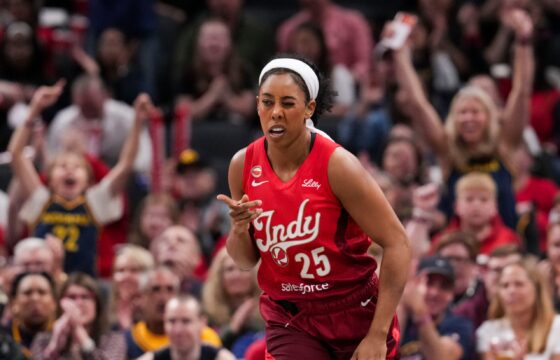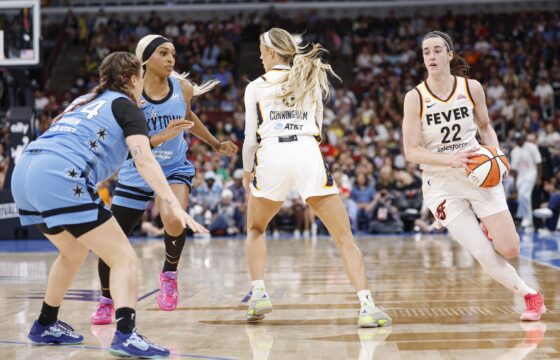

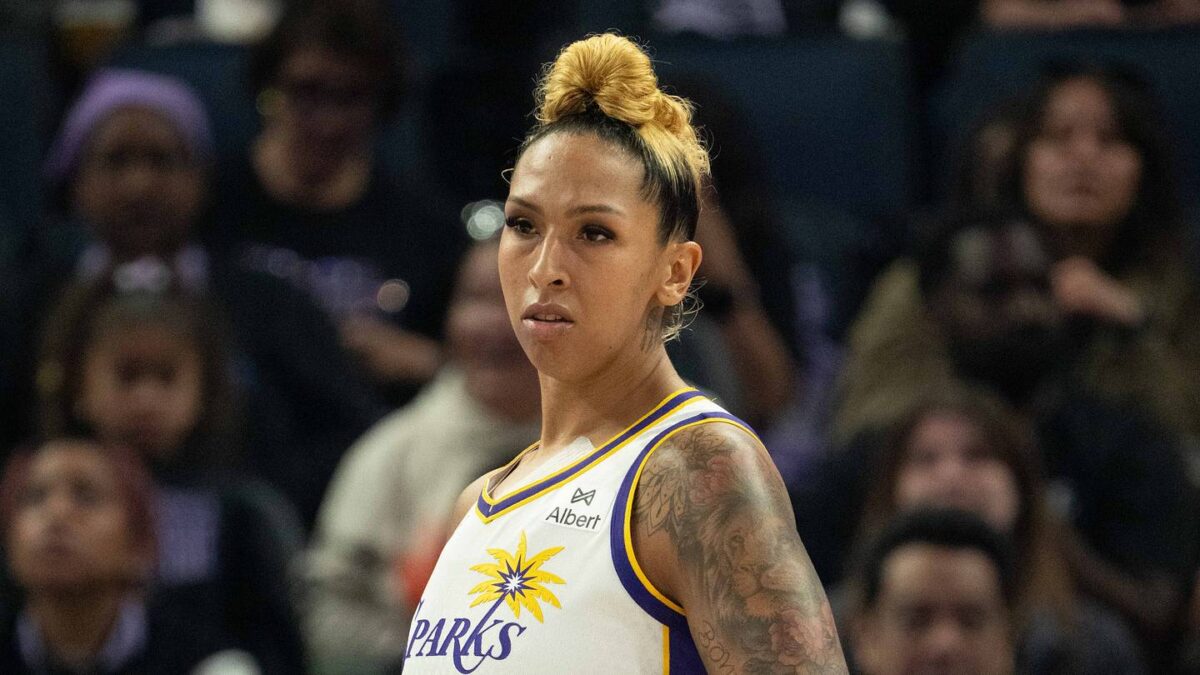
Mercedes Russell joined the Indiana Fever on Aug. 10, 2026, because the team needed frontcourt depth after Damiris Dantas underwent surgery to repair a meniscus injury. Indiana was granted a season-ending injury exception and used it to sign Russell on a deal that runs through the end of the 2026 season.
That explains the roster move. It does not, by itself, establish Russell’s role, playing time or debut date. The supplied reports confirm the transaction and the injury mechanism, but they do not provide a first-game schedule, viewing information or a projected rotation.

The confirmed roster mechanism
The Fever had been looking for additional size behind All-Star forward Aliyah Boston and veteran Monique Billings, according to USA TODAY and the Indianapolis Star. Dantas’ surgery removed a frontcourt option for the remainder of the season, allowing Indiana to seek a replacement through the league’s season-ending injury exception.
Russell will wear No. 5. The 6-foot-6 center has not played in the WNBA during the 2026 season, so the signing gives Indiana an available veteran rather than a player already established in this year’s rotation. The exception explains how the Fever could add her after losing Dantas; it does not guarantee that Russell will immediately take Dantas’ minutes.
What Russell adds on paper
Russell brings WNBA experience and championship history. She was selected 22nd overall by the New York Liberty in the 2018 draft, joined the Seattle Storm after being waived by New York and helped Seattle win championships in 2018 and 2020. She spent six seasons with the Storm from 2018 through 2024 before playing 20 games for the Los Angeles Sparks in 2025.
Her career WNBA averages are 4.6 points, 3.8 rebounds and 0.9 assists per game, according to USA TODAY. The Indianapolis Star also identifies her as an eight-year WNBA veteran and emphasizes the depth she can provide behind Boston. Those numbers describe her past production, not a forecast for Indiana.
Russell also has recent overseas success. In 2024, she helped the Southside Flyers win the WNBL championship and earned finals MVP honors after averaging 14.3 points, 12.7 rebounds and 2.3 blocks per game in that series. That record shows a productive recent stretch, but it does not answer how quickly she can fit into the Fever’s system after not playing in the WNBA this season.
Why the move matters for Indiana
The Fever entered the signing at 20-12 and had won six of their previous eight games, according to USA TODAY. The same report placed Indiana seventh in total rebounds per game and 10th in block rate. Those figures point to the practical issue the signing addresses: Indiana was adding interior depth while trying to preserve its competitive position, not simply adding a recognizable name.
Russell’s size can give the Fever another conventional center option and reduce the pressure on Boston and Billings to cover every frontcourt assignment. That is a roster consequence supported by the team’s stated depth needs. Whether it becomes a meaningful on-court upgrade depends on Russell’s availability, conditioning, defensive fit and actual role, none of which is established by the announcement.
Indiana had also signed forward Michelle Onyiah to a developmental contract, but USA TODAY reported that Onyiah had not appeared in a game at the time. Russell therefore arrives with a longer WNBA résumé than the other newly mentioned frontcourt option. Experience can help a team manage a late-season roster gap, but the evidence does not show that Russell will start or receive a specific workload.
What to check next
The clearest next signal is Russell’s first official game appearance for Indiana. Her active-roster status, minutes and matchup usage will show whether the Fever view the signing as emergency depth or as a regular rotation solution. Until then, the confirmed explanation is narrower: Dantas’ season-ending meniscus surgery created the roster opening, and Indiana filled it with a two-time WNBA champion who has prior center experience.
Indiana's Mercedes Russell signing is best understood as an injury-exception move to restore frontcourt depth after Damiris Dantas' meniscus surgery. The Fever have confirmed the roster mechanism and Russell's contract length, while independent reports also establish her size, championship history and recent WNBA experience. The evidence does not support predictions about her playing time or debut. The next meaningful test is her first official active-roster appearance, followed by whether Indiana uses her as a regular center option behind Aliyah Boston or primarily as reserve depth.
Sources and methodology
- Mercedes Russell signs with Indiana Fever after Damiris Dantas injury - https://www.usatoday.com/story/sports/wnba/2026/08/10/indiana-fever-mercedes-russell-signs-damiris-dantas-injury-wnba/91243427007
- What to Know About New Indiana Fever Player Mercedes Russell - https://www.si.com/wnba/fever/what-to-know-about-new-indiana-fever-player-mercedes-russell-01kzpf1fqejj
- Indiana Fever sign Mercedes Russell after Damiris Dantas injury - IndyStar - https://www.indystar.com/story/sports/basketball/wnba/fever/2026/08/10/indiana-fever-sign-mercedes-russell-contract-stats-damiris-dantas-injury/91242570007
- Indiana Fever Sign Two-Time Champion Mercedes Russell – SLAM - https://slamonline.com/wnba/indiana-fever-sign-two-time-champion-mercedes-russell