NP Thyroid Recall: Affected Products and What to Do
The FDA says a 2020 Acella recall covered certain 30-mg, 60-mg and 90-mg NP Thyroid lots because testing found excess T3. Here is what remains verified and what patients should do.
Health studies, everyday wellbeing and what medical evidence can—and cannot—tell readers.
The FDA says a 2020 Acella recall covered certain 30-mg, 60-mg and 90-mg NP Thyroid lots because testing found excess T3. Here is what remains verified and what patients should do.
Modine is recalling about 6,061 Airedale ventilation fans in ClassMate and SchoolMate heat pumps because water can cause a short circuit and fire hazard. Here is how to identify affected units and arrange free service.
A practical guide to what current evidence supports about acupuncture and massage for cancer-related pain, what remains uncertain, and how art therapy fits in.

Curavit Clinical Research’s 2026 acquisition of Lindus Health assets raises practical questions for sponsors, sites and investigators about access, contracts, recruitment reach and the next operational checkpoint.
FDA feedback gives Oncolytics a possible route for REO 033 in colorectal cancer, but the next decision still depends on interim data from a 60-patient randomized study.
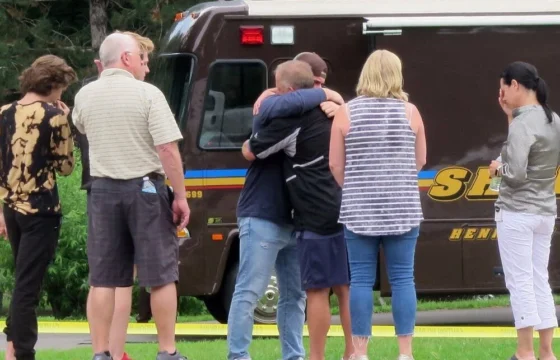
Phoenix Ikner’s FSU trial is now scheduled for June 8, 2027. Here is what the delay changes, what it does not establish about mental health, and what to watch next.
A 2025 Johns Hopkins study record points to a key problem in “suicide by cop” research: the label may depend heavily on how an encounter unfolds, while the evidence pack does not yet show the study’s sample size or measured effect.
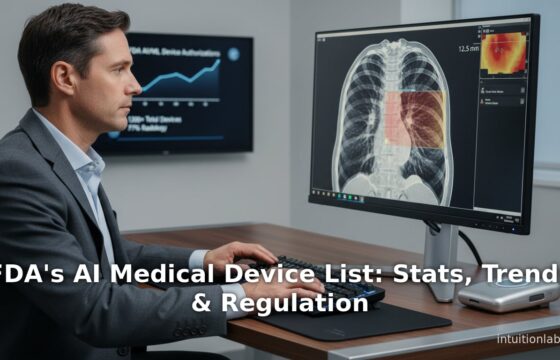
The FDA’s AI-enabled device list is expanding rapidly, but authorization alone does not establish broad real-world performance. The next test is stronger evidence and clearer lifecycle oversight.
A two-week USU Moab trip gave nine students firsthand exposure to Nepal’s healthcare settings, but the reported educational gains are not clinical outcomes.
The FDA’s food traceability requirements are barred from enforcement until July 20, 2028. The delay may reduce near-term compliance pressure while extending uncertainty over how quickly investigators can trace high-risk foods.