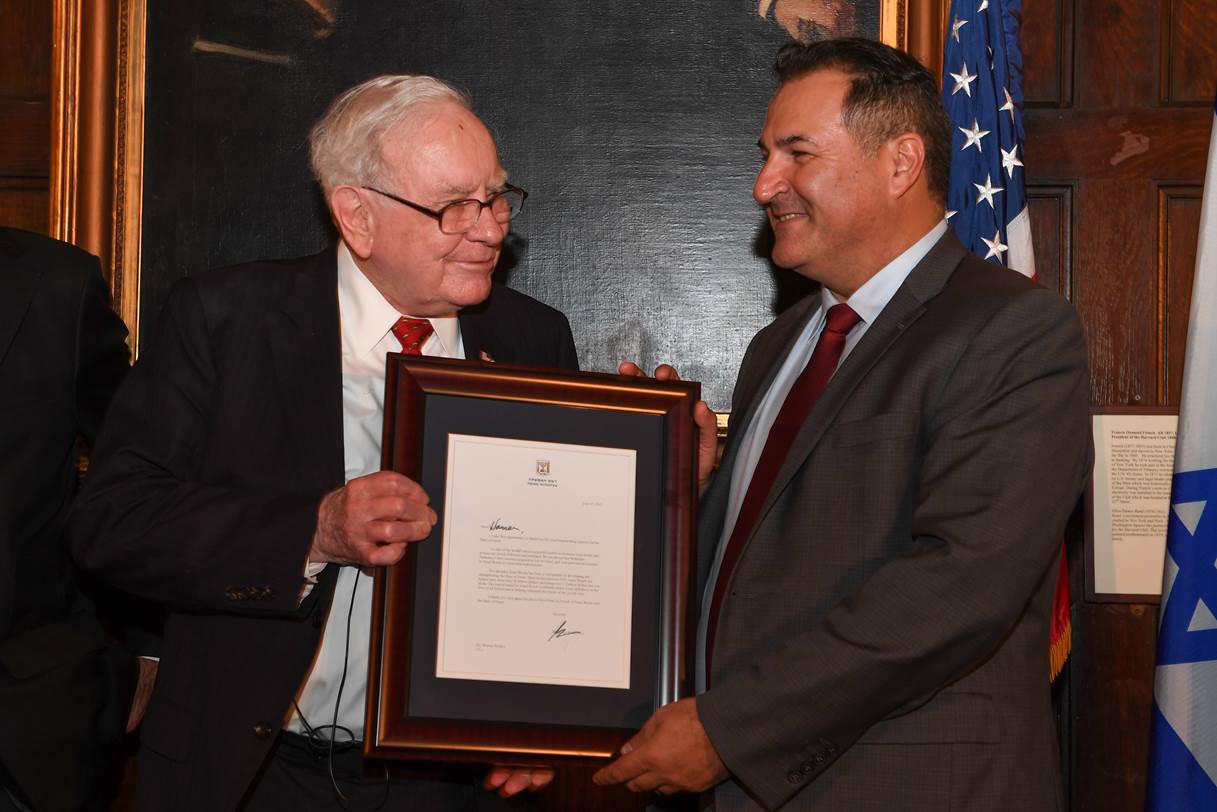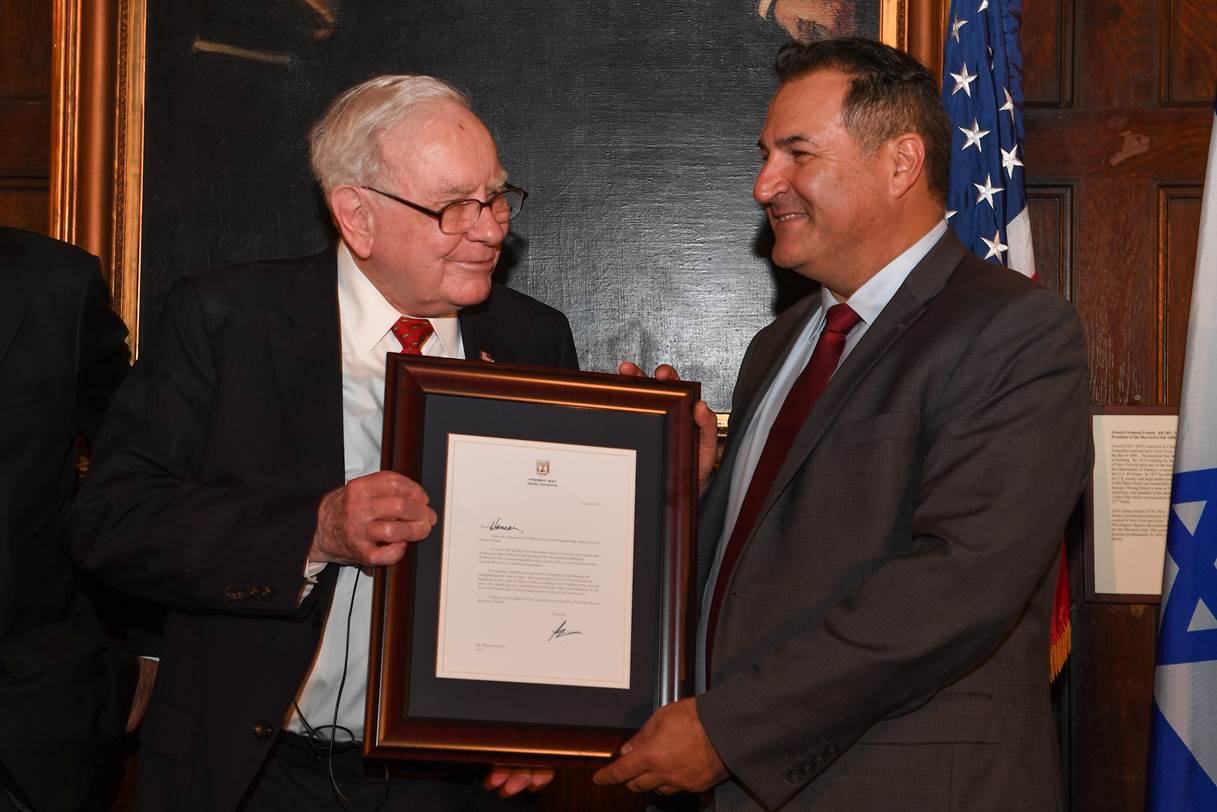
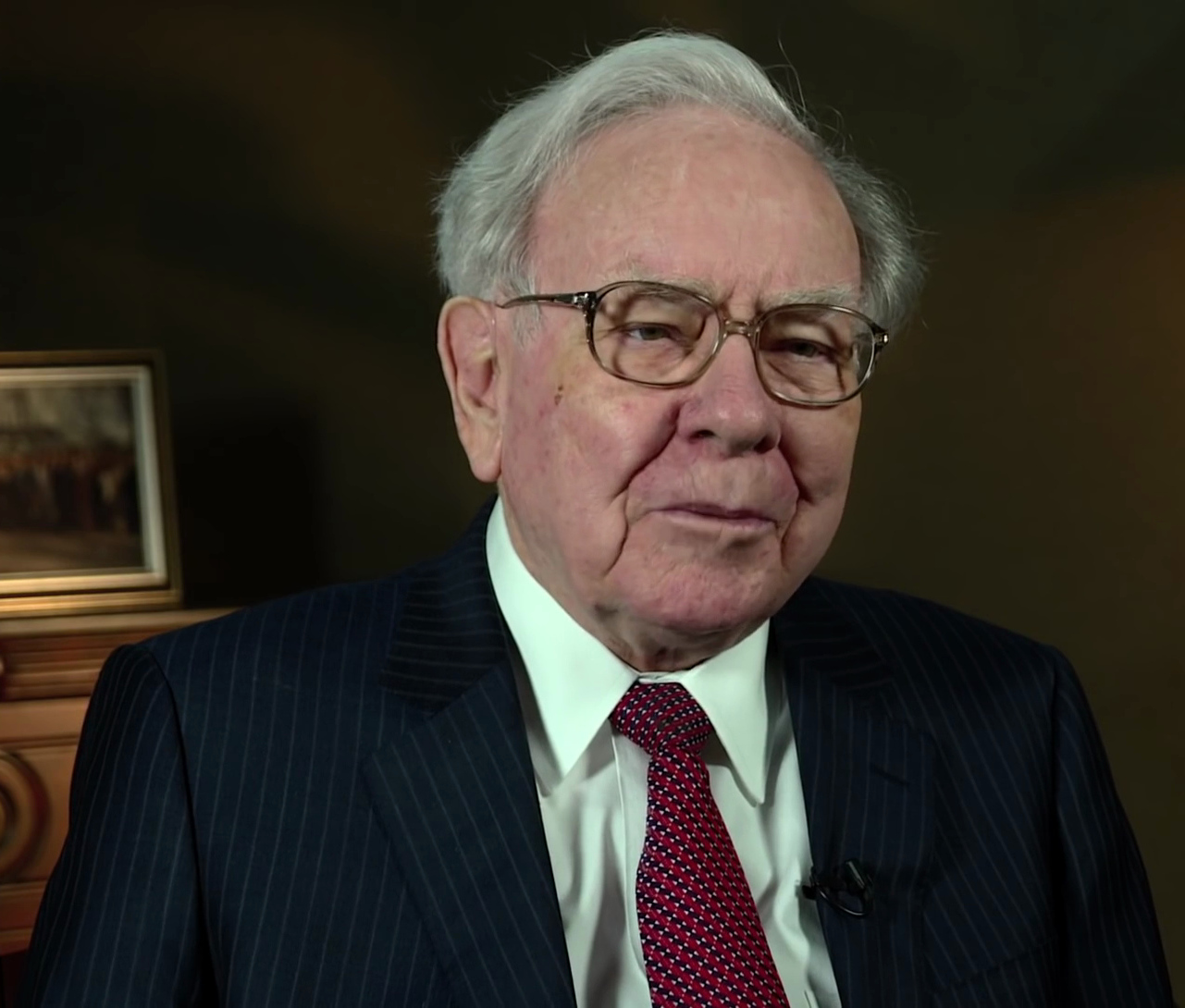
Warren Buffett’s career and net worth are closely connected to Berkshire Hathaway, the company he turned from a struggling textile manufacturer into a diversified holding company. His fortune is not primarily the result of a salary or a single business sale. It has been built over decades through ownership of Berkshire shares, public-market investments, insurance operations and a collection of operating companies.
The exact value of Buffett’s wealth changes with Berkshire Hathaway’s share price and other market holdings. The supplied Forbes profile of Warren Buffett displayed a real-time estimate of $143.6 billion on August 30, 2026, while the supplied biographical reference reported a Forbes estimate of $148.9 billion in January 2026. Those figures should be treated as time-specific estimates rather than a fixed net worth.
How Buffett’s investing career began
Buffett’s professional path developed through investing rather than through the creation of a conventional consumer startup. According to the supplied Warren Buffett reference biography, he studied at the University of Nebraska and later earned a master’s degree from Columbia Business School, where he studied under Benjamin Graham. Graham’s value-investing framework emphasized buying securities for less than an estimate of their underlying worth and maintaining discipline when markets became emotional.
In 1956, Buffett formed Buffett Partnership Ltd. with money from friends, relatives and other investors. The partnership gave him a structure for applying value-investing principles on a larger scale. Its performance helped establish his reputation and supplied capital for the next stage of his business career. The partnership was eventually dissolved as Buffett shifted his focus toward Berkshire Hathaway and other long-term holdings.
Buffett’s career is often described as stock picking, but that description is incomplete. His strategy increasingly involved buying entire businesses or significant stakes in companies with durable earnings, recognizable brands, strong market positions or attractive cash flows. That distinction shaped Berkshire’s development and explains why the company is both an investment portfolio and an operating conglomerate.
Berkshire Hathaway became the central business venture
Buffett began acquiring shares of Berkshire Hathaway, then a New England textile company, in the 1960s. He took control of the company in 1965. The textile operation did not become the source of Berkshire’s long-term success; instead, Buffett used the corporate structure to redirect capital into insurance, public equities and wholly owned businesses.
By 1970, Buffett was Berkshire’s chairman and largest shareholder. The company’s insurance operations became especially important because premiums can provide investable funds before claims are paid. This pool of capital, commonly known as insurance float, supported Berkshire’s ability to invest and acquire businesses, although insurance results remain subject to underwriting risk, catastrophe losses and changing market conditions.
Berkshire later expanded well beyond insurance. Its businesses have included GEICO, BNSF Railway, Berkshire Hathaway Energy, Duracell, Dairy Queen and See’s Candies, among others. The company has also held major publicly traded investments, including long-term positions in businesses such as Coca-Cola and Apple. Holdings can change, however, and a company’s presence in Berkshire’s portfolio at one point does not establish that it remains there at the same level.
What drives Warren Buffett’s net worth
Buffett’s estimated net worth is driven mainly by the value of his Berkshire Hathaway holdings. That makes his wealth different from a business owner whose fortune is based on a private company valuation or from an executive whose wealth is primarily compensation. When Berkshire shares rise, the estimated value of Buffett’s stake generally rises; when the shares fall, the estimate can decline even if Berkshire’s underlying businesses continue operating.
Public estimates also vary because they use different update times, market prices and assumptions about charitable giving. Forbes reported that Buffett had given away more than $68 billion and had pledged to donate over 99 percent of his wealth. A large amount of lifetime giving means published estimates should not be read as a complete measure of the value Buffett has created or directed toward philanthropy.
Buffett’s compensation is another reason his wealth story centers on equity ownership rather than pay. The Forbes profile identifies Berkshire Hathaway as his primary source of wealth and describes him as self-made. That label does not mean he began without advantages: he grew up in a business-oriented family and had early access to education and investing opportunities. It does mean the published explanation for his fortune emphasizes the accumulation of capital through investment and ownership rather than inheritance as the main source.
Companies and ventures beyond stock picking
Berkshire’s business model rests on decentralized ownership. Managers of operating subsidiaries generally run their businesses, while the parent company allocates capital, sets broad expectations and decides whether to retain earnings, buy securities or pursue acquisitions. This structure allowed Buffett to own businesses in unrelated sectors without turning Berkshire into a single-industry company.
Insurance remains a foundation of the enterprise, with GEICO among its best-known consumer brands. BNSF gives Berkshire exposure to freight rail, while Berkshire Hathaway Energy operates in regulated and energy-related markets. Consumer businesses such as Dairy Queen, Duracell and See’s Candies provide additional operating income and brand-based businesses that differ from Berkshire’s financial holdings.
Buffett also participated in investment partnerships and philanthropic initiatives outside Berkshire. In 2010, he joined Bill Gates and Melinda French Gates in launching the Giving Pledge, which asks billionaires to commit at least half of their wealth to charitable causes. The pledge is not a company or investment vehicle, but it is one of Buffett’s most visible ventures connected to his public influence and wealth.
Why net worth estimates remain uncertain
No public source can provide a permanently precise figure for Buffett’s net worth. Berkshire’s share price changes during trading, disclosures may lag real-time transactions, and large charitable gifts reduce the assets attributed to him. Estimates may also differ over whether they count certain assets, how they value them and when the calculation was made.
For that reason, the most defensible description as of August 30, 2026 is that Buffett remains one of the world’s wealthiest people, with a fortune estimated by major financial publications in the mid-$100 billions. The supplied Forbes page’s $143.6 billion figure is a dated market estimate, while the $148.9 billion figure cited in the supplied orientation material reflects an earlier point in 2026. Neither number should be presented as an audited personal balance sheet.
For broader context on Buffett’s background, investing philosophy and public life, see the Newsr profile of Warren Buffett. The essential career answer is narrower: Buffett built his wealth by combining value investing, patient ownership and capital allocation through Berkshire Hathaway, not by relying on a single product, trading strategy or executive paycheck.
Warren Buffett's business career is best understood as a capital-allocation system: he used investing partnerships, insurance float and Berkshire Hathaway's decentralized structure to compound ownership across many industries. Net worth figures are estimates that move with markets and should be dated rather than treated as permanent totals.
Sources and methodology
- Warren Buffett: https://en.wikipedia.org/wiki/Warren_Buffett
- Warren Buffett Profile: https://www.forbes.com/profile/warren-buffett/