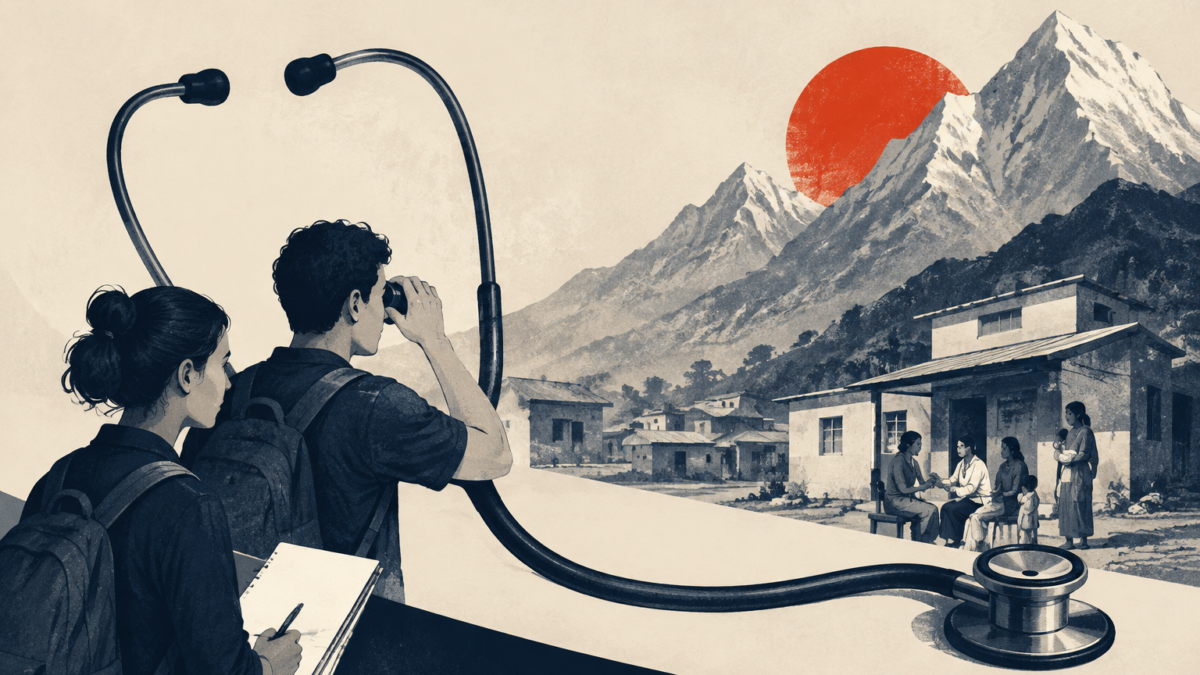
The 2026 Nepal program gave nine Utah State University students, including five from USU Moab, direct exposure to healthcare settings that differed by ownership, geography and specialization. That matters educationally, but the available evidence does not show that the two-week trip improved clinical performance or changed health outcomes. The clearest verified consequence is narrower: students gained a structured opportunity to observe how care is delivered when resources, institutions and patient needs vary.
What did the students actually encounter?
USU’s account says the students traveled to three communities and collaborated with local healthcare workers at hospitals, clinics and community organizations. The facilities were selected to include public and private providers, rural and urban settings, and specialty care. The group also visited a maternity hospital.
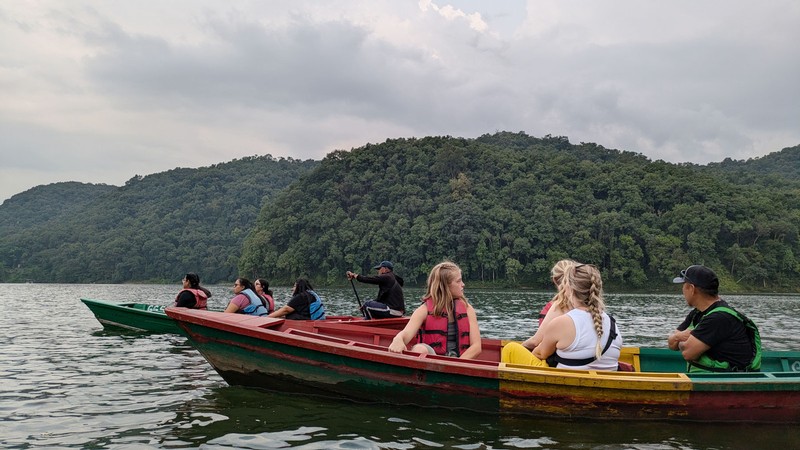
That range gives the trip a stronger comparative design than a single-facility visit. Students could see differences between types of institutions rather than treating one Nepalese setting as representative of the country’s entire healthcare system. However, the evidence does not identify the facilities, describe the clinical activities in detail or report how much time students spent in each setting.
Who is affected, and what is the practical trade-off?
The immediate participants were the nine students and the local partners who hosted them. USU says the students were able to navigate unfamiliar healthcare environments and learn alongside local workers. For nursing students, that may support cultural awareness and a more grounded understanding of how care teams work under different constraints.
The trade-off is that exposure is not the same as measured competence. The university report includes student and staff reflections, but it does not provide a pre-trip and post-trip test, a comparison group, a follow-up survey or an assessment by independent educators. It therefore supports a claim about opportunity and experience, not a quantified educational effect.
The program also included a small material intervention: 10 water filtration systems were gifted to families in need. That is a concrete contribution, but the supplied evidence does not say how the families were selected, what filtration technology was used, whether the systems were still in use or whether household water quality changed. Those missing details prevent a reliable estimate of the intervention’s health effect.
What does this say about healthcare access?
The trip’s value lies partly in making resource differences visible to future health professionals. USU’s report describes students seeing nurses meet patient needs while equipped with scarce resources. That observation can challenge assumptions formed in a comparatively different healthcare environment and may influence how students think about staffing, equipment and patient-centered care.
Still, the account should not be read as a population-level assessment of Nepal’s health system. Nine students visiting three communities cannot establish national patterns, and the report does not include patient counts, facility capacity, treatment outcomes, local health indicators or a peer-reviewed analysis. The evidence type is an institutional narrative about a short educational program, with a very small participant population and substantial limits on generalization.
What remains unknown after the trip?
The central unanswered question is whether the experience produces durable learning. The university says study abroad can help students consider their direction after graduation, and one nursing student described the trip as a reminder of the human purpose of nursing. Those statements indicate perceived personal impact. They do not show whether students retained specific knowledge, changed their clinical behavior or made different career choices.
There is also no reported account from the Nepalese healthcare workers, families or community organizations about the program’s costs and benefits. Their perspective would help clarify whether the student visits met local priorities, created additional workload or produced useful follow-up. Without it, the consequences for host communities remain only partly visible.
What should readers watch next?
A credible next step would be a post-trip evaluation that states how learning was measured and whether students were followed over time. Useful indicators could include a defined knowledge assessment, participant completion rates and documented changes in students’ clinical or cross-cultural training. For the filtration systems, a follow-up should clarify maintenance, continued use and any measured water-quality or household effects.
For now, the responsible conclusion is limited but meaningful. USU Moab’s Nepal program created a small, varied field-learning experience and included 10 filtration systems for families. It demonstrates what students encountered. It does not yet demonstrate what the trip changed.
The durable story is not simply that USU Moab students traveled to Nepal. It is that a short, small-scale immersion can expose future health professionals to meaningful differences in care delivery while leaving its measurable effects unresolved. The program’s strongest evidence concerns who participated, where they went and what partners they worked with. Its weakest areas are the ones needed to judge impact: independent evaluation, student learning data, host-community feedback and follow-up on the 10 filtration systems. The next milestone should be a documented assessment rather than another travel account.
Sources and methodology
- USU Moab Students Examine Healthcare Practices in Nepal Study Abroad Experience - Utah State University - https://www.usu.edu/today/story/usu-moab-students-examine-healthcare-practices-in-nepal-study-abroad-experience
- Utah State Today - Health & Wellness - https://www.usu.edu/today/section/health-wellness
- Many of our nursing students have been busy with a trip to ... - https://www.instagram.com/p/DY7bH4yjkhN