
Some vehicle fire recalls apply even when a car is switched off, but the available evidence cannot confirm whether any particular vehicle is affected. The Independent reported that more than 1.5 million vehicles had been recalled in 2026 over fire risks that could occur while parked, including certain Jeep Gladiators, Jeep Wranglers, Kia Tellurides and BMW 530e xDrives. The report also said that the National Highway Traffic Safety Administration issued 17 “park outside” campaigns in the first seven months of 2026.
That information identifies a recall category, not a complete eligibility list. The supplied evidence does not include recall campaign numbers, model years, VIN ranges, remedy instructions or deadlines. Drivers should therefore verify their specific vehicle through an official NHTSA or manufacturer notice rather than relying on the model name, fuel type, trim, location of purchase or a visual inspection.
What a “park outside” recall means
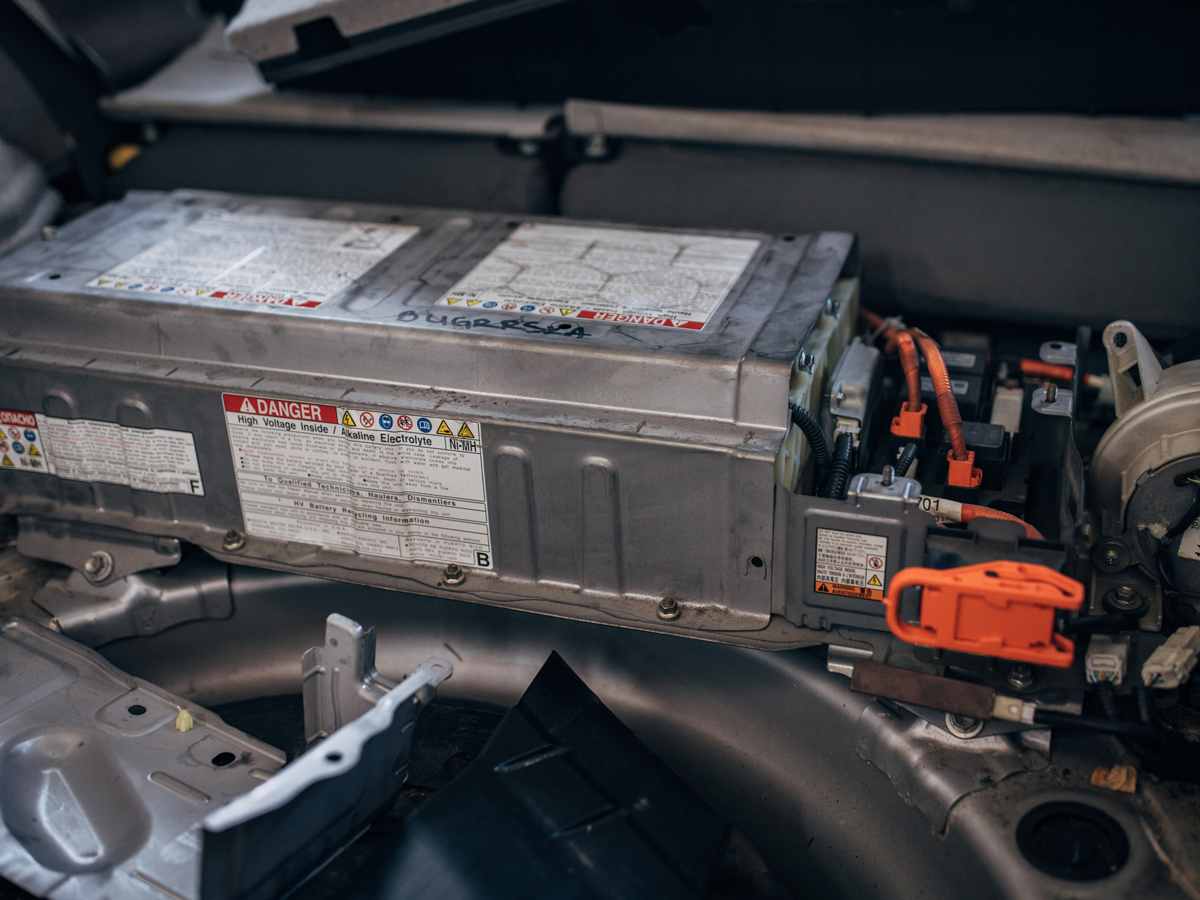
The phrase describes a warning that a vehicle could catch fire while parked, sometimes after the engine is turned off. The Independent attributed the explanation of these “key-off fires” to Frank Borris, a former NHTSA investigator. In the report, Borris said that circuits can remain hot after the engine is switched off and that faults may continue to produce heat.
The reported mechanism is connected to the way modern vehicles combine electrical systems, electronic controls and tightly packaged components. More electronics can mean more circuits and components that remain active or retain heat after a drive. That does not mean every vehicle with extensive electronics has a recall, and it does not establish that one technology or fuel type is responsible for the reported campaigns.
The second source supplied for this article, Fire Rover, discusses fire detection and suppression risks across industrial settings, including electric-vehicle fleets. It does not identify the consumer recalls described by The Independent, and it does not establish that electric vehicles are more likely to be involved. Its relevance here is limited to the broader point that early detection and rapid response matter when a vehicle or fleet fire risk is present.
Who may be affected
The Independent’s report named certain Jeep Gladiator, Jeep Wrangler, Kia Telluride and BMW 530e xDrive vehicles among those subject to warnings. “Certain” is decisive: the evidence does not say that every vehicle sold under any of those names is included.
A vehicle’s exact recall status can depend on identifiers that are absent from the evidence pack, such as the model year, VIN, production range or recall campaign number. A reader should not treat a matching badge, engine type, hybrid designation or purchase location as proof of inclusion. Conversely, the absence of visible smoke, odor or prior trouble does not prove that a vehicle is outside a recall.
What drivers should verify next
Start with the official recall information for the vehicle. Use the manufacturer’s recall system or NHTSA’s official recall resources and compare the vehicle’s identifying information with the notice. Look for the exact campaign, affected production range, described defect, interim warning, repair remedy and any stated deadline.
If the official notice says to park outdoors and away from structures or other vehicles, follow that instruction until the manufacturer’s remedy is completed or the notice provides different guidance. The Independent reported that the warnings in question ask drivers to keep affected vehicles away from nearby cars or buildings because of the possibility of ignition.
Do not infer an answer from a general list of recalled models. The available evidence does not supply the identifiers needed to confirm an individual car, and it does not state whether a repair is available, whether parts are limited, whether a dealer visit is required or whether owners are entitled to reimbursement. Those details must come from the specific official notice.
Why the recall count does not answer the individual question
The reported total of more than 1.5 million vehicles describes the scale of recalls covered by the article, not the number of vehicles that will catch fire. It also does not show how many vehicles remain unrepaired, how many incidents occurred, or how risk varies among the named models. The 17 campaigns reported for the first seven months of 2026 likewise indicate regulatory activity, not a probability that a particular car will ignite.
That distinction matters for a safety decision. A broad claim such as “cars are bursting into flames” can make a reader focus on the wrong test: whether the vehicle looks normal or whether it uses a particular powertrain. The relevant test is whether the exact vehicle is named in an official recall notice and, if so, what interim and permanent actions the notice requires.
What remains unverified
The evidence supplied here does not establish the affected model years, the number of incidents behind each campaign, the cause of each reported fire, the repair completion rate, compensation terms or a common deadline. It also does not support a conclusion that non-EV vehicles are categorically safer or that EVs are the primary cause of these recalls.
Until an official notice is checked, the responsible conclusion is narrow: some vehicles have been reported as subject to fire warnings that can apply while parked, but the supplied evidence cannot determine whether a reader’s vehicle is included. The next step is identifier-level verification through the manufacturer or NHTSA, followed by the exact action stated in that notice.
Reports of "park outside" recalls should be treated as an identifier-verification problem, not as evidence that one vehicle technology is broadly responsible for fires. The supplied reporting describes key-off fire risks involving certain vehicles and attributes the mechanism to circuits and components that can remain hot after shutdown. But it does not provide the campaign numbers, model years, VIN ranges, remedies or deadlines needed to confirm an individual car. Drivers should use the exact manufacturer or NHTSA notice for their vehicle and follow its interim instructions while recognizing that the reported recall total does not measure the odds for any one owner.
Sources and methodology
- than 1.5 million cars recalled after bursting into flames ... - https://www.independent.co.uk/news/world/americas/park-outside-recall-vehicles-fire-b3034518.html
- How Often Do Electric Cars Catch Fire? - https://firerover.com/resources/how-often-do-ev-batteries-catch-fire