
Who is covered? The reported Canara Bank UPI refund order applies to a single complainant, Dhanesh Kumar, in a case before the West Singhbhum District Consumer Disputes Redressal Commission in Chaibasa. It does not, on the available evidence, create an automatic refund for every Canara Bank customer who has reported an unauthorised UPI payment.
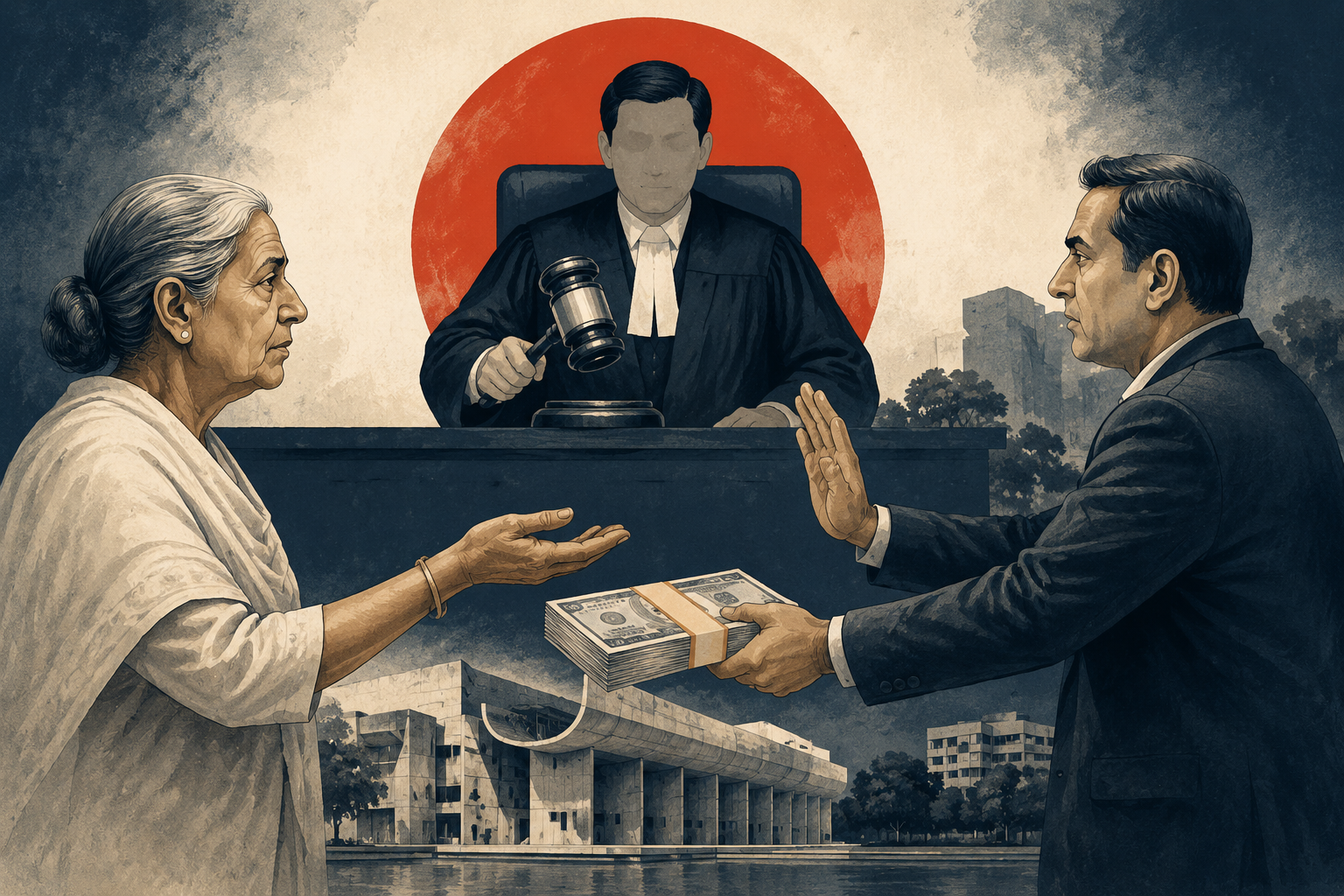
The420.in reported that the commission found Canara Bank deficient in service after the bank failed to prove that disputed UPI transactions from Kumar’s savings account were authorised. The report says the commission directed the bank to refund ₹48,765, pay ₹15,000 for mental harassment and ₹10,000 toward litigation expenses. That produces a reported total relief of ₹73,765.
What the reported order says
According to the report, Kumar received mobile alerts on October 3 stating that several UPI transactions had withdrawn a total of ₹48,765 from his account. He reportedly went to the bank’s Jain Market branch in Chaibasa the same day and submitted a written complaint. The report also says he used the bank’s grievance process several times before approaching the consumer commission.
The reported payment deadline is 45 days after Canara Bank receives a copy of the order. If the bank does not pay within that period, the report says interest at 9% per year will apply. The available material does not identify the commission’s case number, provide the order document or confirm whether Canara Bank has appealed, complied or responded publicly.
Stakeholder map: who gains, pays or remains exposed
The complainant
Kumar is the person identified as the beneficiary of the reported award. The decision, as described, combines three elements: restoration of the disputed ₹48,765, compensation for mental harassment and reimbursement of litigation expenses. Those components should not be treated as a standard UPI refund formula. They are the reported outcome of this individual consumer case.
Canara Bank
The bank is the party directed to pay. The central reported finding was not simply that a UPI transaction appeared unfamiliar. It was that the bank did not prove the customer had authorised the payments. That distinction matters: an unfamiliar transaction alone does not establish that another customer will win a claim, and this article cannot determine the facts of any separate dispute.
Other customers
Customers with disputed UPI payments may use the case as a reason to preserve records and pursue their own complaint, but the evidence does not show that they are eligible for ₹73,765 or that the Chaibasa decision automatically applies to them. Eligibility, liability and any compensation would depend on their transaction records, notice to the bank, investigation and the forum handling the dispute.
What to do if your UPI payment is disputed
Start with the transaction record, not with the reported case amount. Save the UPI transaction ID or UTR, date, amount, account statement, alert messages and any communication with the bank or payment app. The evidence pack does not provide an official universal checklist, so these records should be treated as practical documentation rather than a guarantee of recovery.
Report the transaction through the UPI app if that option is available, and notify the bank through its customer-service or branch channel. The bank-published Ujjivan guide is specifically framed around failed UPI payments, refund processes and RBI guidance, while a separate procedural explainer describes raising a dispute in the payment app and then contacting the bank with the UTR and date. Those sources explain routes for starting a dispute; they do not prove that every complaint will be accepted or resolved on the same timetable.
If the bank’s response is unsatisfactory, the procedural explainer says a customer can escalate through the NPCI customer redressal process and, after an unresolved complaint, consider the RBI Integrated Ombudsman route. Because the official RBI and NPCI documents were not included in the evidence pack, readers should verify the current eligibility rules, waiting periods and submission requirements directly with those bodies before relying on a deadline.
What this case does not establish
The reported decision does not prove that Canara Bank authorised no UPI payments in the case, that all disputed UPI transactions should be refunded, or that filing a complaint guarantees compensation for distress and legal costs. It also does not establish whether the bank’s systems were breached, whether a payment-app account was compromised or how the disputed transactions were initiated. Those mechanisms remain unverified in the supplied material.
There is also no official order in the evidence pack confirming the precise findings, the legal provisions applied or the bank’s current compliance status. The safest reading is therefore narrow: one consumer commission reportedly ordered relief after the bank failed to prove authorisation in that case, with a 45-day payment period measured from receipt of the order copy.
The practical decision for affected customers
If your account shows a UPI transaction you did not authorise, do not assume that the Chaibasa award determines your claim. Report the transaction promptly, keep proof of every communication and ask the bank for a written response. If the bank does not resolve the matter, use the applicable formal escalation route and retain the complaint reference.
For anyone assessing whether this report means money is already owed to them, the answer is no based on the available evidence. The verified next step is evidence preservation and a direct complaint tied to the customer’s own transaction identifiers. The reported ₹73,765 award and 45-day deadline belong to Kumar’s case unless an official order or later proceeding says otherwise.
A reported Chaibasa consumer commission decision offers a narrow consumer lesson, not a blanket UPI refund rule. Canara Bank was reportedly ordered to pay ₹73,765 to Dhanesh Kumar after it failed to prove that disputed payments were authorised. The reported deadline is 45 days after receipt of the order copy, with 9% annual interest for delay. Other customers should not infer eligibility from the amount alone. Their practical priority is to preserve the UPI transaction ID, date, account record and complaint trail, then use the bank and applicable escalation channels. The official order, case number, appeal status and bank response remain unavailable in the supplied evidence.
Sources and methodology
- Bank Fails to Prove UPI Payments Were Authorised, Ordered to Refund Customer - https://the420.in/canara-bank-upi-fraud-consumer-commission-73765-refund-order
- UPI Payment Failed? Refund Process, Timeline & RBI ... - https://www.ujjivansfb.bank.in/banking-blogs/banking-services/upi-payment-failed-refund-process-and-rules
- Initiate UPI Chargeback Process for Disputed Transactions - https://www.linkedin.com/posts/pramod-kumar-0b20a7190_the-upi-chargeback-process-is-a-formal-mechanism-activity-7420298831780737024-oA9z
- FTC Issues "Debanking" Warning Letters to Payment Industry - https://www.hklaw.com/en/insights/publications/2026/03/ftc-issues-debanking-warning-letters-to-payment-industry