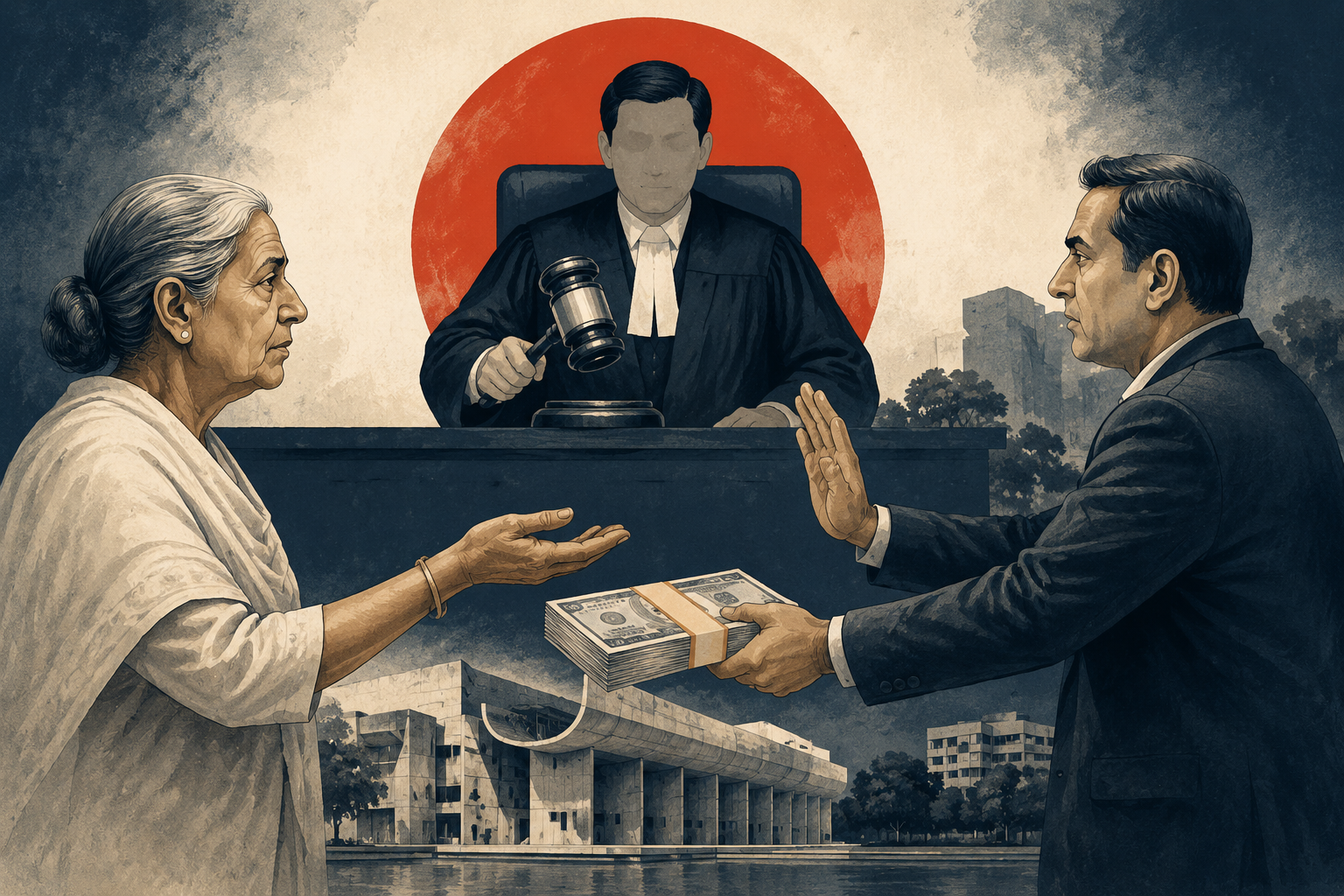

The reported Canara Bank UPI refund order concerns one complainant, not all UPI users. The West Singhbhum District Consumer Disputes Redressal Commission in Chaibasa reportedly directed Canara Bank to refund ₹48,765 linked to disputed UPI transactions, pay ₹15,000 for mental harassment and cover ₹10,000 in litigation expenses. The reported total relief is ₹73,765.
That consequence matters for the customer named in the case, but it should not be read as a general refund program. The available evidence does not provide the commission’s order, the affected transaction identifiers or an official Canara Bank statement. Readers with a different disputed payment must establish their own complaint and transaction record.
Who is covered by the reported order
The case involves Dhanesh Kumar, who was reported to hold a savings account at Canara Bank’s Jain Market branch in Chaibasa. According to the report, he received mobile alerts on October 3 about several UPI withdrawals totaling ₹48,765 and complained to the branch the same day.
The reported decision is therefore tied to the complainant, the account described in the case and the specific disputed transactions considered by the commission. Nothing in the supplied material confirms that other Canara Bank customers, Paytm or Google Pay users, or UPI users generally are entitled to the same payment.
This distinction is the first practical checkpoint: a news report about a consumer case is evidence of a reported dispute outcome, not proof that every similar transaction has the same legal result.
What the bank was reported to argue
The report says Canara Bank argued that the transactions were carried out through third-party applications, including Paytm and Google Pay, and relied on that point in resisting responsibility. It also says the bank did not appear through a representative after being served notice.
The commission reportedly found that the bank had not proved the customer authorised the transactions and held the bank deficient in service. That is the central reasoning described in the available account. Because the primary order is not included, the full findings, evidence considered and legal basis cannot be independently checked from this evidence pack.
The difference between “the bank failed to prove authorisation in this case” and “all third-party UPI payments are the bank’s responsibility” is significant. The first is the reported case-specific finding. The second would be a broader legal conclusion that the supplied evidence does not support.
Payment amount, deadline and delay consequence
The reported award consists of three parts: ₹48,765 for the disputed withdrawals, ₹15,000 in compensation for mental harassment and ₹10,000 for litigation expenses. The report says the bank was directed to pay within 45 days of receiving a copy of the order.
It further reports that a 9% annual interest charge would apply if payment was not made within that period. This is a reported term of the decision, not a confirmed payment already received by the complainant. The evidence does not state when Canara Bank received the order copy, so the exact calendar deadline cannot be calculated.
That missing date changes the next step. Anyone assessing whether the deadline has passed would need the order, proof of service or receipt and any later compliance or appeal record. The supplied sources do not establish any of those details.
What other customers should do with a disputed UPI payment
Customers who do not have a transaction covered by this case should not assume the reported award applies to them. The available process guidance says a customer can first report the payment through the UPI app’s transaction history, then contact the bank with the transaction details if the issue is not resolved.
Record the UPI transaction ID or UTR, date, amount, account statement entry, alert message and copies of every complaint. The LinkedIn guidance in the evidence pack says customers can escalate an unresolved complaint through the NPCI customer redressal process and then the RBI Integrated Ombudsman route in circumstances described there. That guidance is not an official NPCI or RBI document, so the current eligibility rules and submission process should be checked on those institutions’ official channels before filing.
The Ujjivan Small Finance Bank explainer in the evidence pack presents failed-payment refunds as a process governed by transaction status and banking rules. It does not verify the Canara Bank case, establish the complainant’s eligibility for other customers or provide the missing commission order. Its useful boundary is that a failed or disputed UPI payment should be documented and reported through the bank and payment channels rather than treated as automatically settled by a news report.
What remains unverified
Several points cannot be confirmed from the supplied evidence: the exact order date, the case number, the full transaction list, the commission’s complete reasoning, whether Canara Bank has appealed, whether payment has been made and whether the reported 45-day period has started.
The report also describes the transactions as unauthorised based on the complainant’s allegation and the commission’s reported finding. It does not supply technical transaction logs or an official bank investigation record. Readers should therefore use the case as a reported consumer-law development, not as a substitute for a bank complaint or a determination of their own transaction.
What to watch next
The most concrete milestone is compliance with the reported direction within 45 days after Canara Bank receives the order copy. The next meaningful evidence would be the primary commission order, an official response from Canara Bank, a disclosed appeal or documentation that the complainant received the ordered amount.
Until one of those records is available, the responsible conclusion is narrow: the reported commission decision may provide support for the complainant in that proceeding, while the effect on other UPI customers remains unverified.
A reported consumer commission decision in Chaibasa places the immediate consequence on one Canara Bank customer whose disputed UPI transactions totaled ₹48,765. The reported award adds compensation and litigation costs, bringing the stated relief to ₹73,765, with a 45-day payment term after receipt of the order copy. The broader consumer takeaway is narrower than a mass-refund claim: the evidence does not show that other UPI users qualify automatically. The primary order, exact case identifiers, compliance status and any appeal remain unavailable in the supplied material. Customers with separate disputes should document their transaction and use current official bank, NPCI and RBI channels.
Sources and methodology
- UPI Payment Failed? Refund Process, Timeline & RBI ... - https://www.ujjivansfb.bank.in/banking-blogs/banking-services/upi-payment-failed-refund-process-and-rules
- Bank Fails to Prove UPI Payments Were Authorised ... - https://the420.in/canara-bank-upi-fraud-consumer-commission-73765-refund-order
- Initiate UPI Chargeback Process for Disputed Transactions - https://www.linkedin.com/posts/pramod-kumar-0b20a7190_the-upi-chargeback-process-is-a-formal-mechanism-activity-7420298831780737024-oA9z
- UPI Deducted but Not Received: First 10-Minute Plan - RTI Wiki - https://righttoinformation.wiki/upi-deducted-not-received-action-plan-india