
Consumers should not treat all bagged lettuce, cut fruit or ready-to-eat produce as recalled. The FDA guidance released on August 11, 2026, applies to businesses that make or process fresh-cut produce. A separate iceberg-lettuce recall involves products identified by brand, package size and best-by dates. If your package matches the official identifiers, do not consume it; follow the recall instructions for disposal, refund and health concerns.
The available evidence does not support deciding whether a product is affected from its flavor, appearance, ingredients or store alone. The FDA says its investigation into Cyclospora illnesses linked to iceberg lettuce is ongoing, and the company notice covers a broader category of lettuce sourced from central Mexico. The safest way to check is to compare the package with the official recall notice.
What changed, and when
The two developments have different audiences and consequences. On July 17, Taylor Farms de Mexico announced that it was voluntarily removing all iceberg lettuce sourced from central Mexico from the U.S. market. The FDA investigation page identifies recalled Marketside products sold at Walmart as Iceberg Salad in 12-ounce or 24-ounce packages and Shredded Lettuce in 8-ounce or 16-ounce packages. The listed best-by dates for the salad were July 18, 2026, through August 3, 2026. The shredded lettuce dates ran from July 18 through August 3, 2026.
The FDA said those best-by dates had passed and that the recalled product should no longer be available in stores or restaurants. The agency also said Taylor Farms initiated the recall on July 17. The company stated that recalled product could be returned for a full refund at the location of purchase and told consumers to discard it immediately rather than eat it.
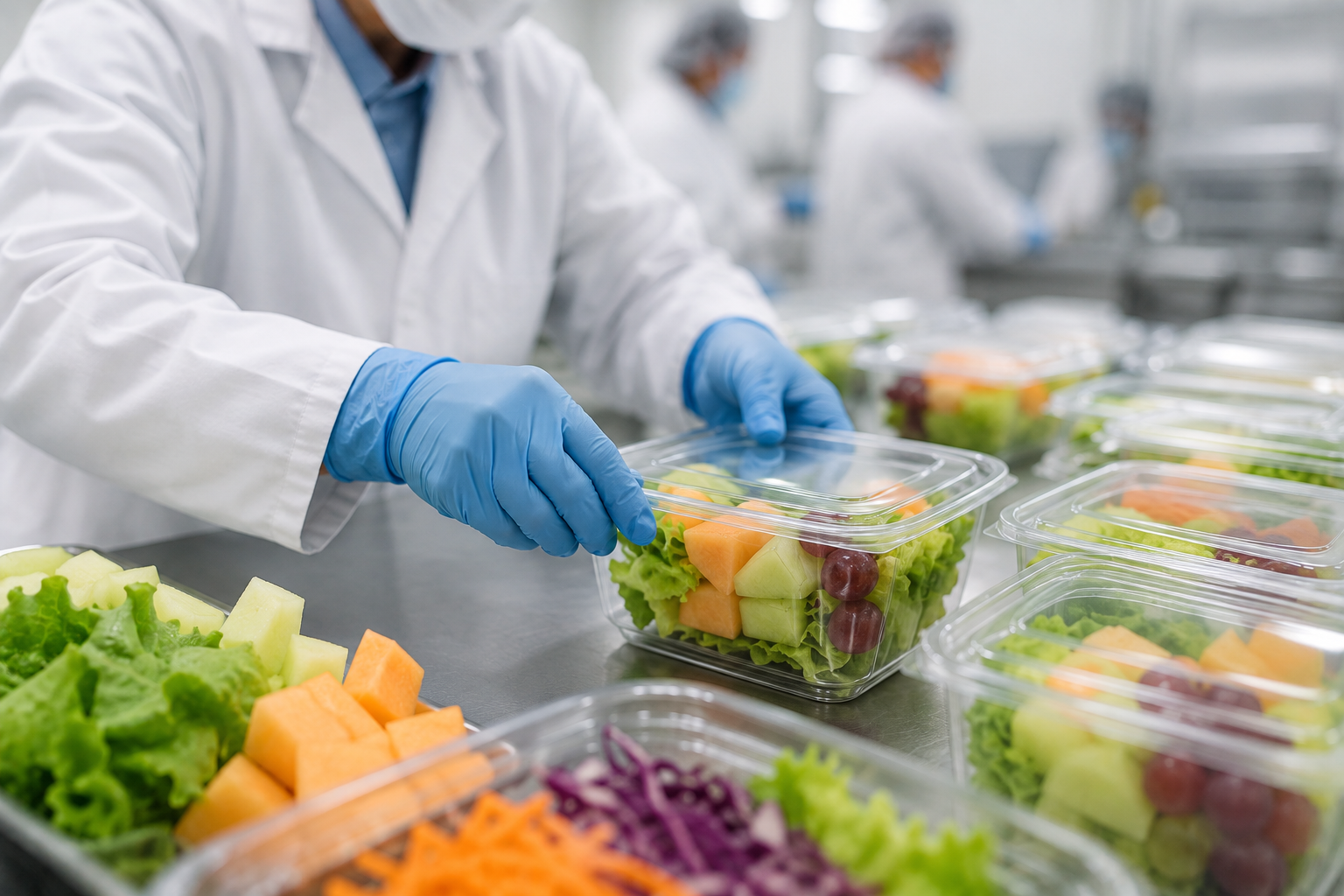
On August 11, the FDA finalized separate guidance for manufacturers and processors of ready-to-eat fresh-cut produce. The guidance concerns how businesses can implement requirements under the Current Good Manufacturing Practice, Hazard Analysis and Risk-Based Preventive Controls rule for human food. It is not an announcement that every product covered by the guidance is unsafe or recalled.
Who may be affected by the lettuce recall
The clearest consumer match in the supplied FDA material is a Marketside package with one of the listed product descriptions, package sizes and best-by dates. The FDA page also refers to other recalled products distributed to food-service customers, but the evidence provided here does not include that complete list or all of its identifiers.
Taylor Farms describes the action more broadly as the removal of all iceberg lettuce sourced from central Mexico. That company notice says distribution of shredded iceberg product occurred from June 29 through July 16, 2026, in multiple states, but the supplied text ends before providing a complete distribution list. Because the evidence is incomplete, this article cannot confirm whether a particular restaurant, food-service shipment or package outside the FDA examples is affected.
That distinction matters: a product being iceberg lettuce, being sold in a bag or coming from a named retailer is not enough to establish recall status. Use the exact official product description, size and date. If those details are missing from your package or the notice does not cover your item, the available evidence cannot confirm that your product is affected.
What consumers should do with a matching product
If your item matches the official recall identifiers, do not consume it. Taylor Farms says consumers should discard the recalled lettuce immediately and seek a full refund at the place of purchase. The company lists a customer-care number, 855-455-0098, for questions during the hours stated on its information page.
The company also says people experiencing health issues should contact their physician. The FDA describes Cyclospora infection as commonly involving diarrhea, with possible appetite loss, weight loss, stomach pain or cramps, bloating, gas, nausea and fatigue. It says some people have no symptoms, while untreated illness can lead to dehydration and more serious complications. The supplied evidence does not establish that any particular illness was caused by a specific package, so symptoms alone cannot identify a recalled product.
Why the FDA issued fresh-cut produce guidance
The FDA explains that fresh-cut produce is physically altered from its whole state by actions such as chopping, dicing, peeling or shredding, without an additional process such as freezing or cooking. Examples include chopped lettuce. These products can encounter contamination during growing, transportation, commingling, manufacturing or retail handling.
The agency says fresh-cut produce generally does not receive a kill step that eliminates pathogens introduced during those stages, and many products are sold ready to eat. Its guidance therefore gives manufacturers and processors recommendations and examples for addressing biological hazards under existing preventive-control requirements. That mechanism explains why the guidance is relevant to the recall, but it does not prove that every fresh-cut product has a contamination problem.
What remains unknown
The FDA investigation page says the inquiry is ongoing. The evidence pack does not include an illness count, a defined study population, a sample size or a peer-reviewed analysis. Taylor Farms says there were no confirmed positive product-test results for Cyclospora as of August 20, 2026; that is a company statement referencing the FDA status, not independent laboratory evidence supplied here.
The next verifiable development would be an FDA update identifying additional products, distribution details, laboratory findings or changes to the recall. Until then, consumers should rely on the official notices and exact package identifiers rather than broad assumptions about lettuce or ready-to-eat produce.
The key distinction is between a business-facing FDA guidance document and a product-specific lettuce recall. The guidance explains why fresh-cut produce can require preventive controls because chopping and shredding occur without a later kill step. The recall, however, must be checked through exact identifiers. The supplied FDA material names Marketside iceberg products, package sizes and best-by dates, while Taylor Farms describes a broader removal of central-Mexico iceberg lettuce. The investigation remains open, and the available evidence does not establish a complete food-service list, illness count or confirmed positive product sample.
Sources and methodology
- The FDA Just Updated Its Guidance for Bagged Lettuce, Cut Fruit, and Other Ready-to-Eat Produce - https://www.fda.gov/food/hfp-constituent-updates/fda-finalizes-guidance-ready-eat-fresh-cut-produce-operations-under-preventive-controls-human-food
- Investigation of Multistate Outbreak of Cyclospora Illnesses - https://www.fda.gov/food/outbreaks-foodborne-illness/investigation-multistate-outbreak-cyclospora-illnesses-iceberg-lettuce-july-2026
- Information Regarding Cyclospora and Recall - https://www.taylorfarms.com/cyclospora-information-hub
- FDA Finalizes Guidance for Ready-to-Eat Fresh-Cut ... - https://albawheelsup.com/trade_news/fda-finalizes-guidance-for-ready-to-eat-fresh-cut-produce-operations