

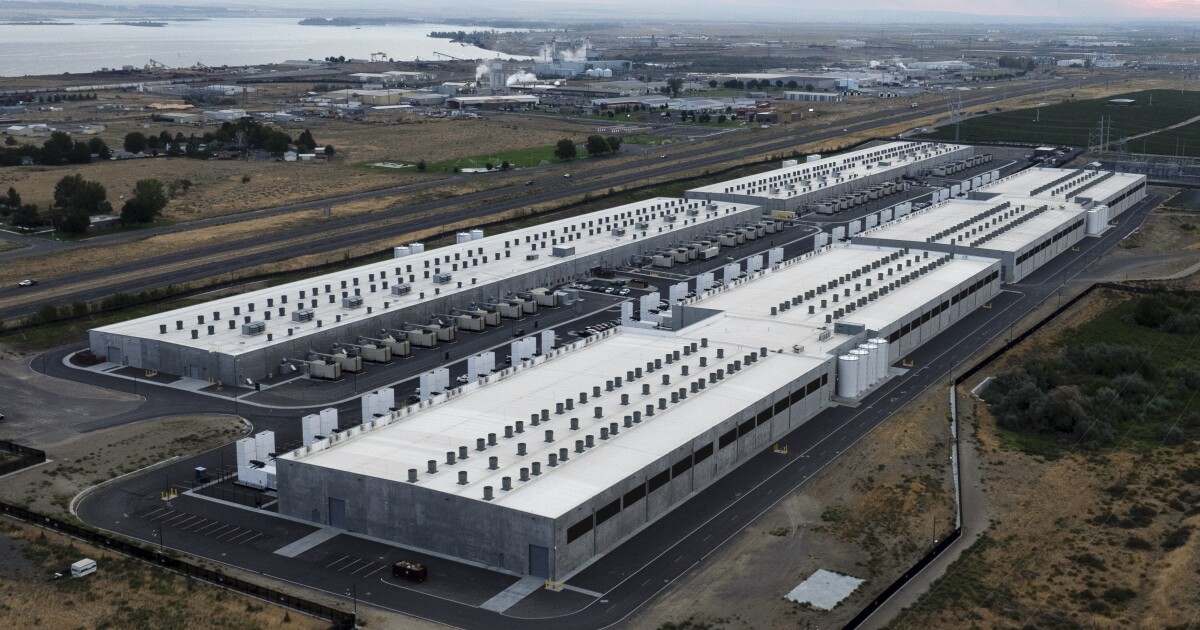
Utah lawmakers are moving data centers from an incentive discussion into a regulatory one, but the practical rules are not yet known. On August 19, 2026, three legislative committees heard testimony about the facilities’ economic benefits and drawbacks, tax incentives and environmental permitting. House Speaker Mike Schultz told FOX 13 News Utah that regulation bills are likely in the upcoming legislative session. Until those bills are published, Utah residents, utilities and data-center developers can identify the issues under review but not the final costs or requirements.
The policy question is shifting from attraction to allocation
Data centers can bring investment and taxable activity, but they also create policy questions when a large facility needs new power, infrastructure or environmental approvals. The Utah hearings put those competing considerations in the same process: lawmakers examined potential benefits and drawbacks alongside the incentives offered to attract projects and the permitting framework used to approve them.
That combination matters because a tax incentive can reduce the public revenue collected from a project while a permitting or utility decision determines which effects must be addressed before construction. The supplied evidence does not quantify Utah’s incentives, electricity demand, expected employment or infrastructure costs. Those figures should not be inferred from the hearings.
Energy rules can determine who pays
Other states provide a useful policy comparison, but not a forecast of Utah’s outcome. MultiState reported in February 2026 that more than 300 data-center-related bills had been filed across more than 30 states during the first six weeks of the year. Its review described proposals involving special electricity-rate classes, infrastructure funding, demand-response participation, construction pauses and changes to tax credits.
The mechanism behind those proposals is cost allocation. If a large electricity user requires a grid connection or upgrades, lawmakers can decide whether the facility, all ratepayers or some combination should fund that work. A special rate or infrastructure requirement could shift more of the direct cost to the data center; a broad public subsidy could do the opposite. The MultiState report describes these as proposals in other states, not as provisions adopted or proposed in Utah’s hearings.
Energy policy also affects reliability. A demand-response requirement, for example, could ask a facility to reduce consumption during selected grid conditions. That may limit strain on the system, but it could also impose operating constraints. No evidence supplied here shows that Utah is considering that specific mechanism.
Tax incentives create a separate trade-off
Utah’s review of tax incentives is significant because the value of an incentive is measured against what the state expects to gain. Supporters may view reduced taxes as a way to compete for facilities; critics may ask whether the resulting economic activity offsets forgone revenue and public infrastructure costs. The Utah report establishes that this question was part of the testimony, but it does not establish a proposed tax rate, credit, sunset date or projected fiscal impact.
An earlier Utah legislative record illustrates why the bill text matters. The official page for HB 585, titled Data Center Amendments, lists the measure as filed in the House and failed on January 25, 2024. That record concerns an earlier bill, not the possible legislation discussed in 2026, so it cannot establish what lawmakers will introduce next. It does show that a hearing or public discussion is not the same as enacted policy.
What developers and residents should watch
Developers need the eventual language on permits, utility connections, taxes and any deadlines before they can assess whether a project becomes more expensive or slower to approve. Utilities and residential customers will want fiscal and rate analysis showing whether new grid investment is assigned to the facility or distributed more broadly. Local communities face a similar evidence question: the hearings identify environmental permitting as an issue, but the supplied reporting does not specify which environmental standards or impacts would change.
The next meaningful test is not another general hearing announcement. It is a published Utah bill with sponsors, operative language and a fiscal analysis, followed by committee action. Those documents would reveal whether the state’s approach focuses on tax incentives, permitting, electricity costs, operating conditions or a combination. Until then, the confirmed story is that Utah is preparing to debate additional constraints—not that new constraints have already been adopted.
Utah's data-center debate has reached the point where incentives, permitting and electricity costs are being considered together. The hearings establish scrutiny, and the House speaker's statement supports the expectation of future regulation. They do not establish enacted restrictions or quantify the burden on developers, utilities or households. Policy proposals elsewhere show the available mechanisms: special rate classes, infrastructure funding, demand-response rules, construction pauses and tax-credit changes. Utah's next published bill and fiscal analysis will determine whether its debate produces similar measures or a narrower framework.
Sources and methodology
- Utah legislature holds hearings on data centers with regulation bills likely - FOX 13 News Utah - https://www.fox13now.com/news/politics/utah-legislature-holds-hearings-on-data-centers-with-regulation-bills-likely
- State Data Center Legislation in 2026 Tackles Energy and Tax Issues - https://www.multistate.us/insider/2026/2/20/state-data-center-legislation-in-2026-tackles-energy-and-tax-issues
- HB 585 Data Center Amendments - Utah Legislature - https://le.utah.gov/~2026/bills/static/HB0585.html
- Utah lawmakers take first steps to regulate large-scale data centers - https://greatsaltlakenews.org/latest-news/fox-13/utah-lawmakers-take-first-steps-to-regulate-large-scale-data-centers