


Short answer: Lionel Messi did not play in Inter Miami’s Hong Kong friendly in February 2024 because, according to the reports supplied, he said he had a swollen and painful groin injury. The controversy grew because he appeared for about 30 minutes in Japan days later. Tatler Asia, the match organizer, subsequently offered eligible ticket buyers a 50% refund.
The refund resolved part of the immediate consumer dispute, but it did not establish that Messi had deliberately avoided the Hong Kong match or prove the political claims that circulated afterward. The evidence supports a narrower explanation: a late player-availability decision, poor communication with spectators and a later appearance that made the original absence harder for fans to accept.
What is confirmed about Messi’s absence
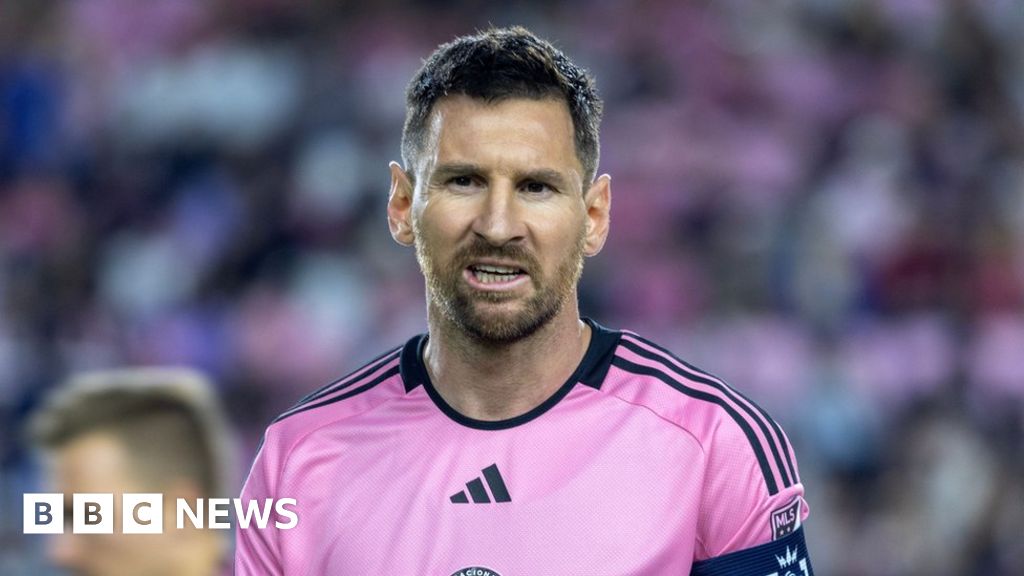
Messi remained on the bench throughout Inter Miami’s game against a Hong Kong team. The match was sold out, and the BBC reported that about 38,000 spectators attended. Fans booed and demanded refunds at the end of the game.
Tatler Asia said it learned at halftime that Messi would not play and that it immediately informed the Hong Kong government. The organizer also said Messi was required to play for 45 minutes under its contract unless he was injured. That statement describes the organizer’s account of the agreement; the supplied evidence does not include the contract itself or an independent medical report.
Messi later said he regretted not being able to play because of a swollen and painful groin injury. That is the clearest stated reason in the evidence pack, but it remains a statement from Messi rather than independently published medical documentation.
Why the Japan appearance changed the dispute
Inter Miami played in Japan on February 7, 2024, several days after the Hong Kong match. Messi made a roughly 30-minute appearance there. That sequence became the central evidence for critics who questioned why he could play in Japan but not Hong Kong.
The timeline explains the anger without proving the accusations that followed. A player can be unavailable for one match and later play in another, depending on how an injury develops, but the supplied reports do not provide enough medical detail to determine whether that happened here. They also do not verify claims that the absence was politically motivated.
Hong Kong authorities said they had asked Messi to consider alternatives, including appearing on the field to interact with supporters, but that he did not do so. Tatler Asia said it had asked Inter Miami’s management to urge Messi to explain the situation to spectators. According to the organizer, that explanation did not occur.
The refund addressed the ticket question, not every complaint
Tatler Asia announced a 50% refund for people who bought match-day tickets through official channels. The BBC reported that applicants had to agree not to pursue legal action. The organizer said the refunds could cost up to HK$56 million.
The financial effect was substantial in the organizer’s own account. FOX Sports reported that Tatler Asia expected a loss of HK$43 million after the refund, compared with net income of HK$13 million before it. Tickets had sold for as much as HK$4,880. These figures were attributed to the organizer and should not be treated as an independently audited financial statement.
The remedy also had limits. It applied to eligible official-channel purchasers rather than necessarily every person affected by the event, and it did not answer whether the match had been promoted in a way that accurately communicated the risk of player absence. The reports supplied do not describe the full ticket terms, the refund’s final uptake or any court outcome.
What remains evidence and what remains speculation
The confirmed chain is relatively clear: Messi did not play in Hong Kong; he cited a groin injury; he appeared in Japan soon afterward; fans and officials objected; and Tatler Asia offered a 50% refund. The evidence is weaker on the questions that drove the most extreme commentary.
Chinese state media criticized Messi and Inter Miami, with the Global Times saying the controversy had consequences beyond sport and later accusing them of political motives. Messi rejected those claims and said he had special affection for people in China. Neither the accusation nor the rejection, as presented in the supplied reports, independently proves motive.
For readers assessing the episode, the practical distinction is between a documented remedy and an unresolved explanation. The refund is a verifiable action by the organizer. The reason the injury prevented a Hong Kong appearance but allowed a later Japan appearance is not fully verifiable from the available evidence. Any stronger conclusion would require the underlying contract, contemporaneous medical documentation and a fuller public account from Inter Miami.
The evidence supports a consumer-remedy story more strongly than a motive story. Messi's Hong Kong absence, his stated groin injury and his later appearance in Japan are documented across independent reports. Those facts explain why the backlash intensified, but they do not establish that the absence was deliberate or political. Tatler Asia's 50% refund was a concrete response for eligible official-channel ticket buyers, yet the supplied record does not include the full contract, medical documentation or final refund results. The next meaningful verification point is whether Inter Miami or the organizer publishes a fuller account of the decision.
Sources and methodology
- Anger over Messi's absence in Hong Kong game leads to ... - https://www.foxsports.com/stories/soccer/anger-over-messi-absence-in-hong-kong-game-leads-to-offer-of-partial-refund
- Fans to get 50% refund for no-show match in Hong Kong - https://www.bbc.com/news/world-asia-china-68603919
- Fans demand refund after Lionel Messi no-show - https://www.independent.co.uk/sport/football/lionel-messi-inter-miami-hong-kong-b2490610.html
- Do MLS fans get a refund if Lionel Messi isn't playing? - https://www.allfootballapp.com/articles/3389646-do-mls-fans-get-refund-if