
Who is affected: people who ate food purchased from Ayub’s Fort location in Mumbai, including U.S. travelers who may have visited before its reported license suspension. The immediate consequence is food-safety uncertainty, not a verified recall: no affected dishes, lots, refunds, illness cases or claim deadline have been identified in the supplied reporting. The reported next step is to avoid treating the suspension as a refund notice and look for a direct notice from Maharashtra’s Food and Drug Administration (FDA) or Ayub’s before relying on the location’s food service or seeking a remedy.
Ayub’s Fort food-business license was reported suspended effective August 23, 2026, following an FDA inspection on August 22. The available reports describe serious sanitation and food-handling concerns, but they do not include the actual suspension order. That distinction matters for customers: the reports support that regulators took action against the Fort establishment, while leaving important consumer details unverified.
Stakeholder map: who has a decision to make
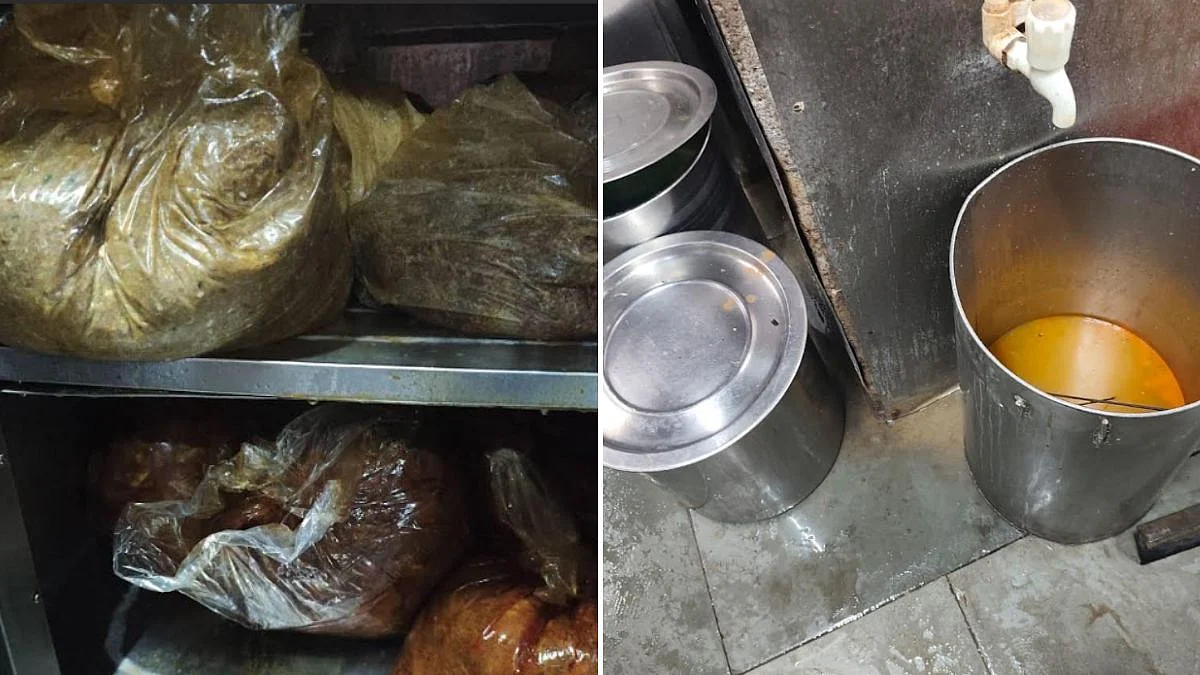
Recent customers are the group with the clearest immediate interest. Free Press Journal reported that inspectors found eggs and other high-risk food items stored at room temperature, insufficient temperature-control facilities, and inadequate separation of raw and cooked food. It also reported problems involving drains, standing water, flies, pest control, staff hygiene facilities, food testing and traceability records.
Those findings describe conditions that can increase the possibility of microbial contamination or cross-contamination, according to the report. They do not establish that a particular menu item was contaminated, that every customer was exposed, or that anyone became ill. No laboratory results, case count, product list or batch information was included in the evidence supplied for this story.
People planning to visit the Fort location face a different decision. A food-business license suspension is an enforcement action affecting the establishment’s authority to operate as a food business. Time Out also reported that Ayub’s Fort license had been suspended from August 23, 2026. However, neither report supplied a current reopening authorization, a business statement about operations, or an official FDA page confirming the location’s status after the suspension. Customers should not assume that a past report answers whether food service is currently available.
Cardholders and people seeking compensation have the least verified guidance so far. The reporting does not identify a company-run refund process, a government reimbursement program, eligibility rules, documentation requirements, payment amount, or deadline. A license suspension is not automatically a consumer refund program. Keep an order receipt, card record or delivery-app record if available, but the supplied evidence does not establish that submitting those records will lead to payment.
What regulators reportedly found at Ayub’s Fort
The Free Press Journal attributed the action to Maharashtra FDA enforcement under India’s Food Safety and Standards Act, 2006. Its account lists multiple conditions rather than one isolated violation: room-temperature storage of eggs and other high-risk foods; insufficient controls for temperature; inadequate separation of raw and cooked food; unclean food-handling areas; open or poorly maintained drains; stagnant water; houseflies; and weak pest-control measures.
The report also said the premises had inadequate personal-hygiene facilities for food handlers and deficiencies in testing and traceability documentation. Traceability is especially relevant to a consumer response because it is the system used to identify where food came from and, when necessary, which items can be targeted in a recall. The reports do not say that regulators issued a recall. Without a named item, lot, date range or distribution list, consumers cannot responsibly identify a specific product as affected.
This is why the practical consumer conclusion is narrower than some social-media-style summaries may suggest: the reported license suspension is a reason to verify current operating status and preserve purchase records, but it is not evidence that all food sold by Ayub’s was unsafe or that a particular prior purchase qualifies for a refund.
A separate Kurla action does not expand Ayub’s customer notice
The Free Press Journal reported a separate FDA action involving Sankalp Mahila Audyogik Utpadak Sahakari Society Limited’s Mid-Day Meal Canteen in Kurla West. Inspectors reportedly visited that canteen on August 21, 2026 and found hygiene and food-safety issues. The report said it received 53 out of 112 points and was classified as non-compliant.
That is a separate establishment and should not be folded into an Ayub’s customer claim. The shared point is regulatory concern about food-safety controls, not a common menu, supplier, ownership arrangement, customer list or recall. Parents, schools, employees and other people connected to the Kurla canteen would need a notice specific to that operation before assuming that Ayub’s suspension applies to them.
What is verified, and what is not
Verified by the supplied reporting: the Maharashtra FDA reportedly suspended Ayub’s Fort food-business license after an August 22 inspection, with the action effective August 23, 2026. Both Free Press Journal and Time Out independently reported the date and the license action.
Not verified in the supplied evidence: whether Ayub’s Fort has since reopened; the exact license number; any affected menu items or product lots; whether food was seized or tested; whether illnesses were reported; any refund or complaint route; and any deadline for customers. The FDA’s underlying order and an official company notice were not included.
For a U.S. reader, the useful action is documentation and verification rather than speculation. If a purchase was recent, retain the transaction record and identify the exact Fort location. If Ayub’s or Maharashtra FDA later publishes a direct customer notice, compare its listed dates, foods and eligibility terms with that record. Until then, there is no verified basis to claim a refund, describe an item as recalled, or say that filing any complaint will result in payment.
The next meaningful milestone
The most informative next document would be a direct FDA suspension order, inspection summary or restoration notice. It could clarify the scope of the action, identify whether corrective steps are required before food service resumes, and state whether the agency has issued any public guidance for prior customers. A formal statement from Ayub’s could separately address current operations, outstanding orders, gift cards and refunds. Neither was provided in the available evidence.
Until one of those documents appears, treat the reported suspension as a verified enforcement development with unresolved customer consequences. The absence of a recall notice is not proof that regulators found no risk; it means the supplied evidence does not support identifying a specific food, lot or purchaser group for a recall response.
The consumer question is not whether Ayub’s is permanently closed; the supplied evidence cannot establish that. It is whether a reported food-business license suspension creates a specific customer remedy. At present, it does not. Two reports support that Maharashtra FDA suspended the Fort location’s license after citing food-storage, sanitation and pest-control concerns, effective August 23, 2026. But no agency order, recall list, product identifier, illness report, refund channel or reopening notice was supplied. The actionable distinction is between an enforcement action against a venue and a targeted consumer recall. Customers should preserve proof of purchase and verify any later FDA or company notice against their actual visit or order.
Sources and methodology
- Maharashtra FDA Suspends Ayub’s Fort Licence Over Serious Food Safety Violations, Kurla Canteen Also - Free Press Journal - https://www.freepressjournal.in/mumbai/maharashtra-fda-suspends-ayubs-fort-licence-over-serious-food-safety-violations-kurla-canteen-also-penalised
- FDA suspends license of popular Mumbai food ... - https://www.thehindu.com/news/cities/mumbai/fda-suspends-license-of-popular-mumbai-food-establishment-ayubs-after-finding-houseflies-unsanitary-workplace/article71393804.ece
- Ayub's Fort Mumbai loses food licence after FDA action - https://www.timeout.com/mumbai/news/ayubs-at-fort-in-mumbai-loses-food-licence-after-fda-action-082626