
Texas and Florida shoppers should not assume any Argentine beef is recalled. The reports supplied for this article describe a 2026 recall involving raw boneless beef imported by Corte Argentino USA LLC, but they do not provide the original U.S. Department of Agriculture notice or identify the stores that received it. If you have a product box, compare its full label with a current official FSIS or retailer notice before deciding whether your item is affected. The available reporting says consumers who have a confirmed recalled product should return it to the place of purchase or discard it.
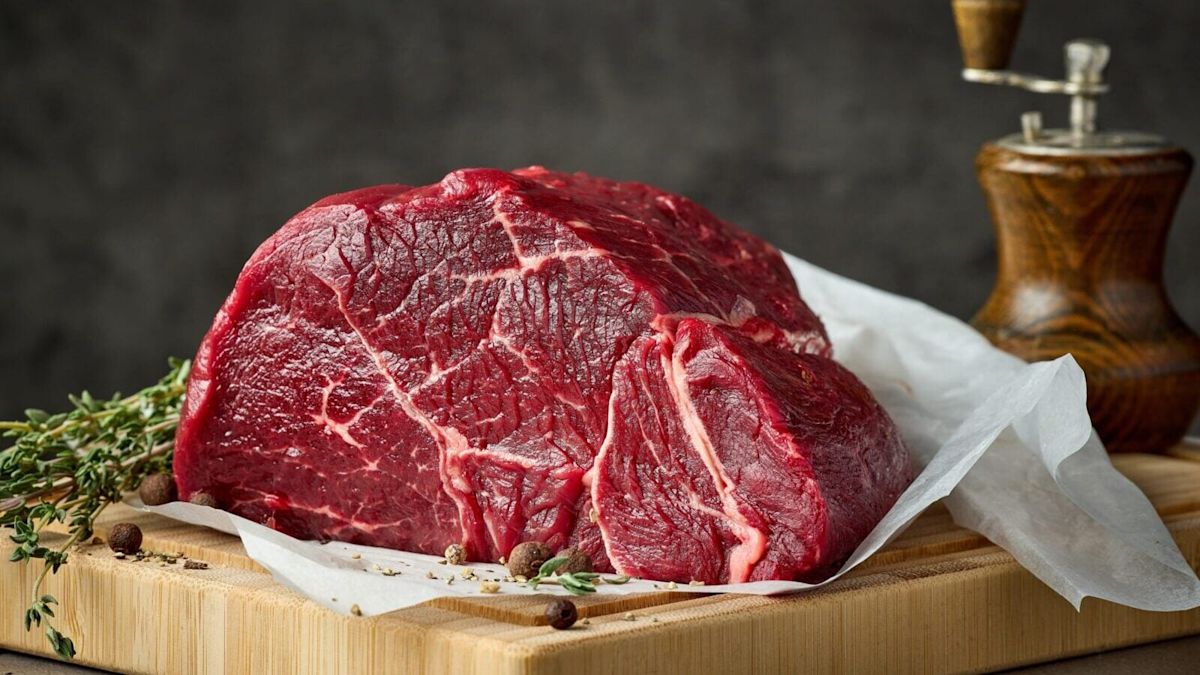
The reported recall concerns 29,628 pounds of raw boneless beef produced in Argentina and distributed in Texas and Florida. CBS News Texas reported that FSIS said the products entered the United States without the required import reinspection and that the issue was found during routine inspection activity. The reports did not identify a contaminant, and they said no illnesses or injuries had been reported.
Who may be affected
The potential audience is limited: people or businesses in Texas or Florida that received one of the specific boxed beef products described in the recall reporting. Distribution to a state is not proof that every grocery store, restaurant, distributor, or household in that state handled the product. The supplied reports say the beef went to distributors, retailers, and food-service operators, but neither provides a store list.
That limitation matters because recalled status depends on an exact match to official identifiers, not on broad clues. Beef from Argentina, a product with a similar cut name, or meat bought at a Texas or Florida store cannot be treated as recalled based on those facts alone. A shopper needs the original packaging or a reliable retailer record that connects the item to the official recall listing.
Identifiers reported for the beef products
CBS News Texas reported that the affected products were sold under the Frigorífico Gorina SAIC brand and bore Argentine establishment number EST. N° OF. 2025. It also reported a shipping mark of 26644-AA. A separate Yahoo report similarly named the establishment number but referred to shipping mark 26644 without the suffix. Because the reports do not match perfectly and the primary FSIS document was not included in the evidence, this article cannot confirm a reader’s item from either description alone.
The cuts identified in the CBS report were Top Sirloin Butt, also labeled Cuadril Sin Tapa; Eye Round, or Peceto; Topside Cap Off, or Nalga AD S/Tapa; Flat, or Carnaza Cuadrada; and Knuckle, or Bola de Lomo. The report described them as boneless beef in cardboard boxes of varying weights. It said production dates ran from May 15 through May 20, 2026, with use-by or freeze-by dates from September 15 through September 20, 2026.
Those details are useful only as items to verify against the direct agency notice. They are not a substitute for it. Package weight, complete shipping marks, lot information, and distribution records can distinguish an affected box from a similar one. The evidence supplied does not contain a complete official product table, so it cannot establish whether any particular package is included.
Why a missed import reinspection led to the recall
The reported reason is a regulatory failure rather than a named pathogen or foreign material. According to the news accounts, the beef was imported without the benefit of FSIS import reinspection. That reinspection is separate from the fact that a product was produced abroad or cleared other points in the import process. Its purpose, as described in the Yahoo report, includes checking documentation, labeling, packaging, physical condition, and other compliance matters.
FSIS reportedly classified the event as Class I. CBS News Texas described Class I as the agency’s highest health-hazard category. But the supplied reports do not provide an FSIS explanation tying this specific shipment to a confirmed contaminant, illness, or injury. Readers should not infer that a particular hazard has been found merely because of the classification, and they should not infer that an unmatched package is safe because it looks normal.
What to do if you have a possible match
First, keep the carton or label available and compare all available identifiers with a direct FSIS recall notice or a notice from the retailer that sold the product. The key decision is whether the complete name, establishment number, shipping mark, dates, and any other listed information match the official record. If the package is no longer available, a receipt, delivery invoice, or food-service purchasing record may help a retailer or distributor trace the item.
If there is a confirmed match, CBS News Texas reported that FSIS advised consumers to return the beef to the place of purchase or throw it away. The same report said people with concerns should contact a health-care provider. This article does not add medical guidance because the supplied evidence does not name a contaminant or provide clinical instructions.
If you cannot make a complete match, the responsible conclusion is that the available evidence cannot confirm your item is recalled. Ask the seller or distributor for the product’s supplier and lot information, and check the current FSIS notice rather than relying on a social-media post, a country-of-origin label, or a broad product search.
Deadlines, refunds, and unresolved details
No consumer deadline is stated in the supplied reports. The dates reported for the beef are product use-by or freeze-by dates, not a deadline for returning a product or seeking reimbursement. The evidence also does not establish whether retailers offer refunds, whether a receipt is required, or whether any product remains in commerce. Those terms can vary by retailer and should be confirmed with the seller after the product is identified.
The next meaningful verification point is a direct FSIS recall notice or retailer alert that supplies the complete affected-product list and location details. Until that document is available, the narrowest reliable takeaway is that news reports describe a recall of specific boxed Argentine beef products distributed in Texas and Florida – not a recall of all Argentine beef sold in either state.
The practical issue is traceability, not whether a package merely says Argentina or was bought in Texas or Florida. Two news reports describe a recall linked to missed import reinspection, but the primary FSIS document was not supplied and the reports differ slightly on a shipping-mark detail. That means the reported brand, establishment number, cut names, and date range are useful prompts for checking a label, not enough to determine that a reader's food is affected. The unresolved retailer list also limits what shoppers can establish without a box, receipt, distributor record, or direct agency notice. A complete official product table is the next document that would materially strengthen an individual match.
Sources and methodology
- USDA Recalls 30,000 Pounds of Argentine Beef Sold in Texas and Florida - https://www.yahoo.com/news/us/articles/usda-recalls-30-000-pounds-142809910.html
- USDA recalls 30000 pounds of Argentine beef sold in ... - https://cbsaustin.com/news/local/usda-recalls-30000-pounds-of-argentine-beef-sold-in-texas-and-florida
- Nearly 30000 pounds of Argentine beef sold in Texas ... - https://www.cbsnews.com/texas/news/beef-texas-florida-recall-8-11-2026
- USDA recalls 30K pounds of Argentine beef in Texas, Florida - https://www.agdaily.com/livestock/usda-recalls-30k-pounds-of-argentine-beef-in-texas-florida