
Who is affected: diners considering Ayub’s Fort outlet in Mumbai, particularly anyone planning to eat eggs, other high-risk foods or meals prepared on the premises. Maharashtra FDA findings reported by two news outlets describe houseflies, open drains, stagnant water and inadequate food storage. The potential consequence is foodborne-illness exposure, not a verified diagnosis or proof that a specific customer became sick. No reopening deadline, refund policy or compensation route has been supplied. The practical next step is to avoid relying on the outlet’s normal service status until Maharashtra FDA or Ayub’s confirms that the licence has been restored.
This is a local regulatory action in India, not a U.S. Food and Drug Administration recall. For U.S. readers, the useful takeaway is how to interpret the notice: a suspended food licence concerns the establishment’s authorization to operate, while it does not automatically identify a packaged product, lot number, nationwide recall or refund program.
What triggered the suspension
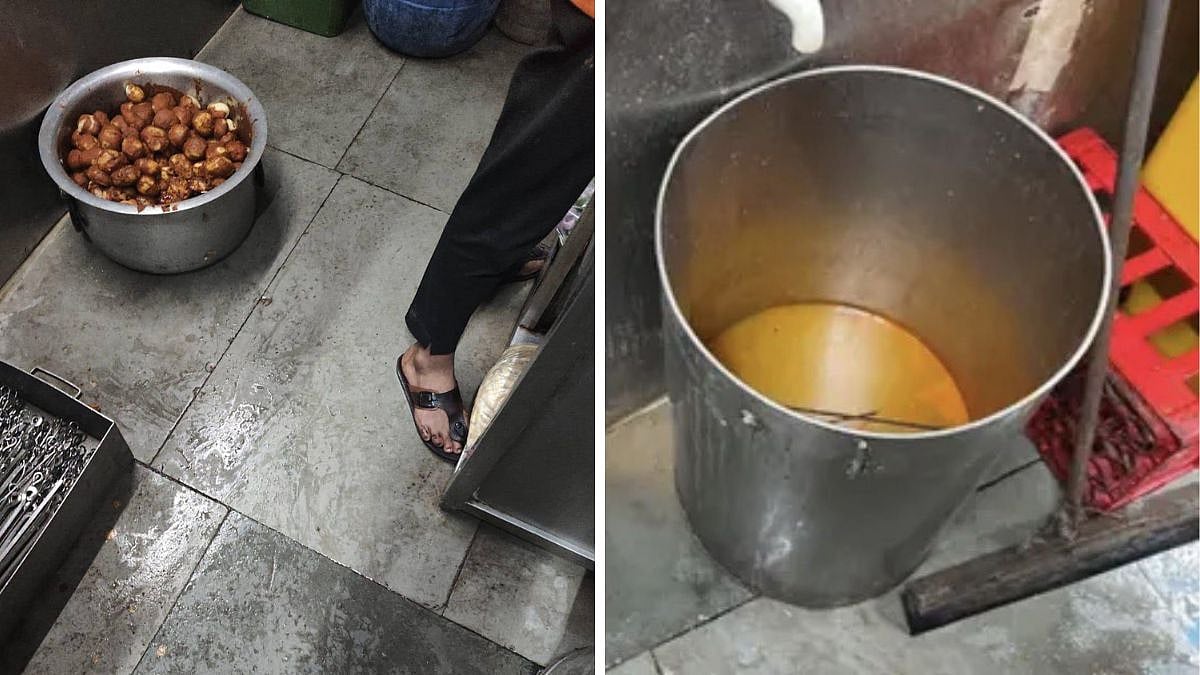
According to the reports, Maharashtra FDA inspected Ayub’s Fort outlet on August 22, 2026, after receiving information about the establishment. The inspection reportedly found eggs and other high-risk food products stored at room temperature, along with a lack of adequate temperature-control facilities. Inspectors also reported that raw and cooked food was not properly separated or stored separately.
The reported environmental findings included poorly maintained or open drains, stagnant water and houseflies in the premises. Those conditions matter because temperature control limits the opportunity for microorganisms to multiply, while separation between raw and cooked food helps reduce cross-contamination. The evidence supports describing these as reported control failures. It does not support saying that a particular dish was contaminated or that all customers were exposed to illness.
Free Press Journal reported that the licence suspension took effect on August 23 under the Food Safety and Standards Act. Mid-day separately reported the August 22 inspection and said the action formed part of a wider Maharashtra FDA enforcement drive. Neither supplied document establishes how long the suspension will last.
The turning point was regulatory authorization, not a product recall
The distinction between a restaurant licence suspension and a product recall determines what customers should do. A product recall normally identifies a product, brand, lot or date and provides a return, disposal or refund instruction. The supplied reports identify Ayub’s Fort as the inspected establishment, but they do not identify a specific packaged product, affected batch or purchase-record process.
That means customers should not assume that a refund is available simply because they ate at the restaurant. There is also no verified evidence in the pack of a customer illness investigation, a medical advisory, a compensation offer or a requirement for diners to discard food purchased elsewhere. Anyone who became ill after eating there should seek medical advice based on symptoms and timing rather than treating the news report as a diagnosis.
The safest immediate decision for a prospective customer is therefore location-specific: do not treat the Fort outlet as cleared to operate until an official update or a clear business notice confirms its status. The reports do not establish that every Ayub’s location was inspected or suspended, so readers should avoid extending the finding to other outlets without separate evidence.
What is verified—and what is not
The two reports agree on the central event: Maharashtra FDA suspended Ayub’s food licence after an inspection linked to hygiene and storage violations. Mid-day added that the broader August 24 enforcement activity involved inspections of 37 hotels, restaurants, dhabas and other food establishments; 31 received improvement notices and four had licences suspended. Those figures describe the wider action, not the number of Ayub’s locations affected.
The evidence does not include the inspection report, photographs authenticated by the regulator, the suspension order, Ayub’s response, or documentation showing that corrective work has been completed. It also does not provide a reopening date, a timetable for review, a helpline for customers, or any remedy for past purchases. Those omissions are significant: a suspension can change after corrective measures, but the supplied material cannot show whether that has happened.
What diners should do next
Before visiting the Fort outlet, check for a current Maharashtra FDA notice or a direct Ayub’s announcement confirming whether the licence remains suspended. If a restaurant representative offers a reopening statement, readers should distinguish that business claim from regulatory clearance unless the regulator also confirms it.
Customers with a receipt, delivery record or payment confirmation should keep it if they need to document a purchase or later report a suspected illness. The evidence pack does not establish a claim deadline or refund route, so no filing deadline should be inferred. For now, the verifiable milestone is an official update on the licence status and any conditions attached to reopening.
The Ayub’s case is best understood as a restaurant-authorization issue rather than a packaged-food recall. Two independent reports attribute the suspension to Maharashtra FDA findings involving temperature control, raw-and-cooked food separation and premises hygiene at the Fort outlet. That establishes a meaningful safety concern for prospective diners, but not contamination of every meal, illness among customers or entitlement to refunds. The key unresolved issue is whether the regulator has received and accepted corrective measures. Until a direct update confirms restoration, diners should treat the outlet’s operating status as unverified.
Sources and methodology
- Mumbai Restaurant Ayub’s Food Licence Suspended After FDA Flags Houseflies, Open Drains & Improper Egg - Free Press Journal - https://www.freepressjournal.in/mumbai/mumbai-restaurant-ayubs-food-licence-suspended-after-fda-flags-houseflies-open-drains-improper-egg-storage-video
- AYUB'S LICENCE SUSPENDED BY FDA Mumbai's ... - https://www.instagram.com/p/DcdvnTzDFOa
- Maharashtra FDA crackdown: Mumbai`s famous AYUB`S ... - https://www.mid-day.com/mumbai/mumbai-news/article/maharashtra-fda-crackdown-mumbais-famous-ayubs-restaurant-licence-suspended-over-houseflies-open-drains-23646597
- Mumbai''s Ayub''s Loses License in FDA Food Safety ... - https://money.rediff.com/news/market/mumbai-s-ayub-s-loses-license-in-fda-food-safety-crackdown/53157820260825