
Monique Billings joined the Indiana Fever during 2026 WNBA free agency because the move offered a clear basketball fit: Indiana added an experienced forward who can rebound, defend and communicate, while Billings already had connections to key Fever players. The supplied reports do not establish that she publicly explained her decision in those terms, so the explanation is based on the reported roster context and her documented role.
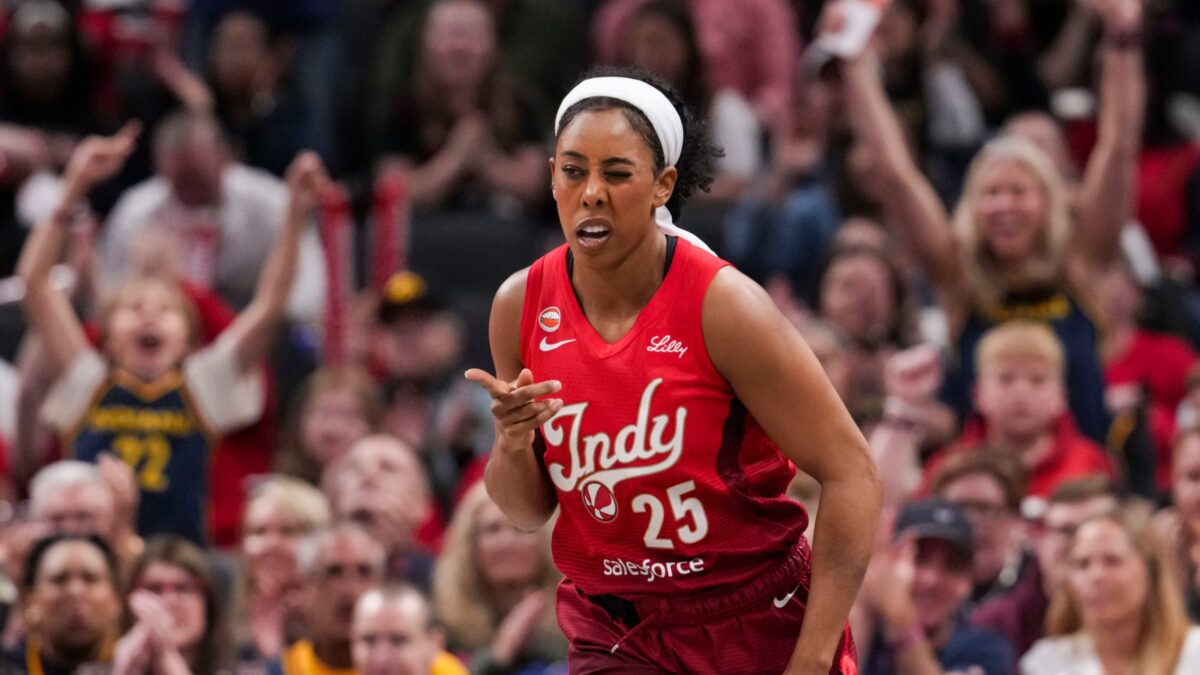
The signing was reported on April 11, 2026. Indiana added Billings after her lone season with the Golden State Valkyries, where she averaged 7.3 points and 4.5 rebounds in 26 games, including eight starts. A separate report said Billings had met with the New York Liberty during free agency but chose the opportunity with Indiana. Indy Star reporter Chloe Peterson confirmed that Billings had signed a multi-year deal, although the contract’s financial terms and exact length were not included in the supplied evidence.

What Billings adds to Indiana’s roster
Billings’ value is more clearly defined by her activity than by scoring volume. Across eight WNBA seasons, she had averaged 6.3 points and 5.6 rebounds per game on 44.5% shooting and 75.6% free-throw shooting. She had appeared in 239 regular-season games and started 66. Those numbers describe a veteran rotation player rather than a signing built around high-usage scoring.
That distinction matters for Indiana’s roster construction. A forward who can compete for rebounds and defend without needing the offense designed around her can complement higher-profile ballhandlers and scorers. The evidence does not show how many minutes Billings was promised or whether she would start. It does show that the Fever valued the skills she has displayed throughout her career, particularly on the glass.
Why familiarity also mattered
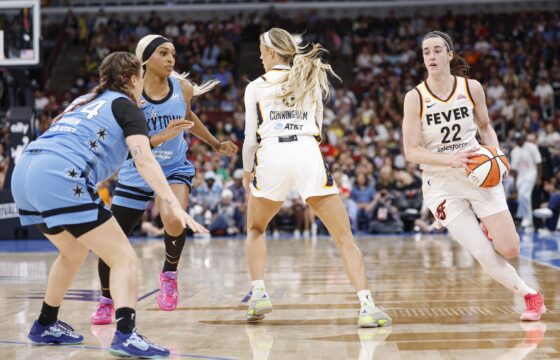
Billings had previously played alongside Caitlin Clark during Team USA’s FIBA Women’s World Cup qualifying tournament. She was also familiar with Kelsey Mitchell, who had returned to Indiana on a one-year supermax deal, according to the report on the signing. Those existing relationships do not guarantee on-court success, but they reduce one adjustment that comes with joining a new team: learning entirely new teammates and communication habits at the same time as a new system.
The connection to Clark is especially relevant as context, not as proof of the signing’s sole motivation. The available reports do not quote Billings saying that Clark or Mitchell persuaded her to choose Indiana. They support a narrower conclusion: Billings was joining a team that included players she already knew, alongside a coaching staff seeking reliable frontcourt work.
The role Indiana appears to want
In a May 20 feature, The IX Sports reported that Billings’ teammates praised her athleticism during training camp and that coach Stephanie White valued her rebounding. White described Billings as an active defender and communicator, while also identifying rebounding, hard dives and sustained effort as expected responsibilities.
That account gives the signing a more specific mechanism than the announcement alone. Indiana was not simply adding a veteran name; the team was assigning her a set of repeatable jobs that can affect possessions without requiring frequent shots. Rebounding can end an opponent’s possession or create an extra chance for Indiana, while defensive communication can help organize a unit. The supplied evidence does not provide team-level before-and-after numbers, so the size of that impact remains unmeasured.
What remains unresolved
Billings missed Indiana’s first game with an ankle injury and returned for the second, according to The IX Sports. In that return, she recorded nine points and eight rebounds in a Fever victory. That is a verified early snapshot, not enough evidence to establish her season-long role, health or production.
The next useful test is official game data over a larger sample: whether Billings remains available, how often she plays, and whether her rebounding and defensive responsibilities translate into a stable rotation role. Until those details emerge, the strongest explanation for the signing is a combination of frontcourt need, veteran experience, a rebounding-oriented skill set and familiarity with important Fever teammates—not a confirmed promise of a specific starting position or statistical outcome.
The evidence supports a practical explanation for Indiana's decision to sign Monique Billings in 2026: the Fever added a veteran forward whose primary contributions are rebounding, defense and communication, while Billings joined a roster containing players she already knew from Team USA and prior WNBA connections. Reports also indicate that she chose Indiana after meeting with New York. What is not supported is a precise claim about her motivation, contract value or guaranteed role. Her ankle-related absence from Indiana's first game makes official availability and sustained rotation usage the next meaningful signals.
Sources and methodology
- Indiana Fever sign Monique Billings in WNBA free agency - https://hawkeyeswire.usatoday.com/story/sports/college/hawkeyes/womens-basketball/2026/04/11/indiana-fever-monique-billings-wnba-free-agency-signing/89563028007
- How Monique Billings is finding her role with the Indiana ... - https://www.theixsports.com/features/still-searching-for-the-right-farmers-market-monique-billings-finding-role-with-indiana-fever
- Indiana Fever Set to Sign Monique Billings, Caitlin Clark's ... - https://athlonsports.com/wnba/indiana-fever/fever-expected-sign-caitlin-clark-team-usa-teammate-monique-billings
- Monique Billings signs with Indiana Fever, contract, stats - https://www.indystar.com/story/sports/basketball/wnba/fever/2026/04/11/wnba-news-free-agency-indiana-fever-sign-monique-billings-stats-roster-contract-lexie-hull/89567766007