
A cleanup deadline at a fire-damaged Lineage Logistics warehouse in Boyle Heights was expected to be missed on Friday in 2026, leaving residents without a verified end to the odors, pests and disruption attributed to rotting food. The immediate decision for affected households and businesses is to treat the deadline as an accountability checkpoint—not proof of recovery. The supplied evidence does not establish whether the remaining waste was ultimately removed or whether Los Angeles imposed penalties.
Residents need more than a percentage
As of the Wednesday preceding the deadline, Lineage reported removing about 93% of the warehouse’s bulk food waste, according to MyNewsLA’s August 13, 2026, report. That figure indicates substantial progress, but it does not answer the practical question facing neighbors: Have the conditions affecting daily life actually stopped?

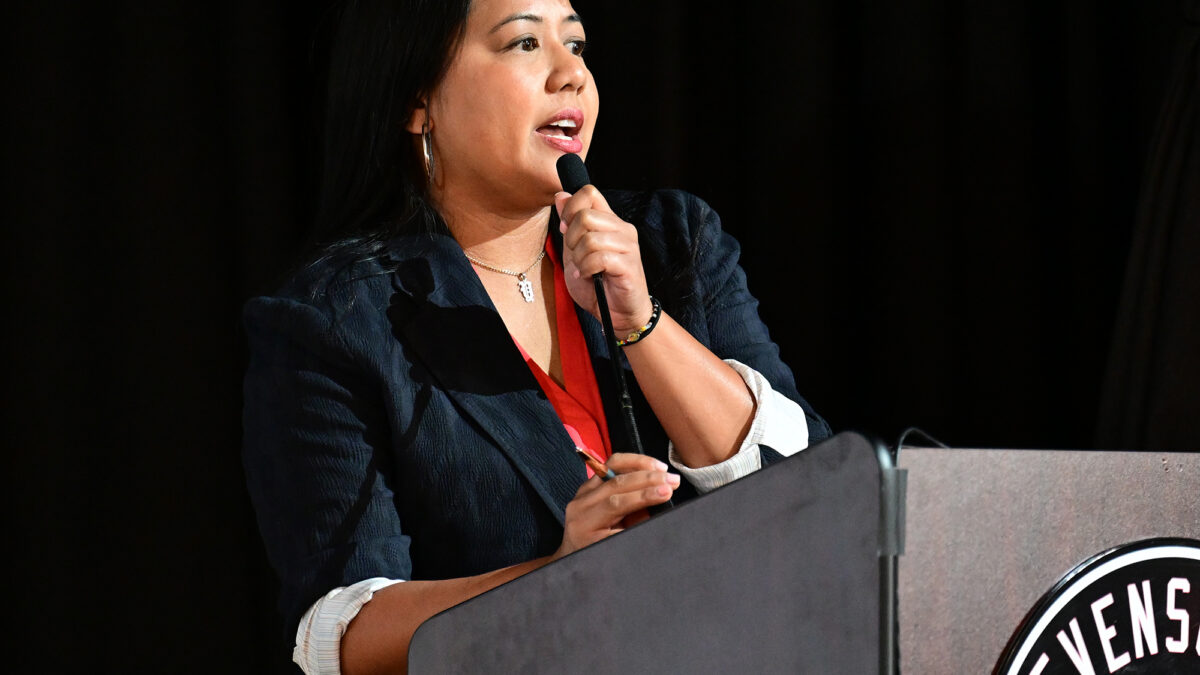
Los Angeles City Councilmember Ysabel Jurado said families had dealt for nearly two months with odors, flies, pests, truck traffic and disruption affecting homes, businesses and routines. Her statement links the warehouse cleanup to quality of life and neighborhood access, rather than treating it solely as a waste-hauling target.
For residents, the most useful standard is therefore twofold: verified removal of the remaining material and observable improvement in surrounding conditions. The report provides no inspection results, air measurements or independent assessment showing that either standard had been met.
Lineage and the city appear to be using different clocks
The central dispute is not simply whether work remained. MyNewsLA reported that a Lineage executive acknowledged the cleanup would not be completed by Friday but maintained that the company still had another week to satisfy its deadline. A company representative did not immediately answer MyNewsLA’s separate request for comment.
That reported position conflicts with the timeline presented by city officials. Mayor Karen Bass issued an executive directive in July, and the deadline described in the report was set to expire at 5 p.m. Friday. The evidence pack does not include the directive itself, the company’s underlying interpretation or correspondence that could explain the discrepancy.
Until those documents or a formal city determination are available, it would be premature to characterize the situation as a conclusively established legal violation. What is supported is narrower: the company expected work to remain after the deadline recognized by the mayor and council member.
City Hall’s credibility is part of the outcome
Bass said she would use available resources to demand compliance and hold Lineage accountable for each additional day residents faced the conditions. Jurado urged the mayor to enforce penalties if the company missed the deadline.
Those statements raise the next accountability test. A deadline can give residents a clear point at which to measure progress, but its practical value depends on transparent confirmation and consequences. The report does not identify a penalty amount, enforcement procedure or scheduled public inspection. It also does not say what assistance, if any, affected families, workers or small businesses would receive.
Businesses face disruption without a measured price tag
Jurado’s account includes small businesses and workers among those affected, but the supplied evidence does not quantify lost sales, additional cleaning costs, missed work or delivery delays. Those omissions matter. Claims about a neighborhood-wide financial toll would go beyond the available reporting.
Still, the trade-off is visible even without a dollar estimate. Finishing removal is intended to end the source of the reported nuisance, while the hauling operation itself has brought truck traffic and disruption. Residents and merchants evaluating whether conditions are improving should distinguish temporary cleanup activity from continued delay—and avoid treating unverified cost estimates as established losses.
The warehouse reflects a larger disposal problem, not its full scale
The Boyle Heights case concerns food already designated for removal, while national food-waste policy also covers prevention, donation, recycling and disposal. ReFED estimates that 25% of food in the United States—60 million tons in 2024—went to destinations it classifies as food waste. The organization notes that uneaten food still consumes resources used to grow, transport, cool and prepare it.
Those national figures provide context, not a measure of this warehouse’s contents or impact. No supported tonnage, cleanup cost or environmental estimate for the Lineage facility appears in the evidence pack.
What would establish that the deadline mattered
The first concrete milestone is the city’s stated 5 p.m. Friday cutoff. After that, residents need a dated status update showing whether all bulk food waste was removed, along with a city decision explaining whether Lineage complied and whether enforcement followed.
Completion over the weekend or early the following week would still matter to the neighborhood, as Jurado acknowledged, but it would not erase the need to resolve the conflicting deadline interpretations. The clearest reader takeaway is to wait for verified completion and enforcement information before assuming that a high removal percentage—or the passage of the deadline—means the disruption is over.
The missed-deadline question matters because four groups are carrying different risks. Residents want relief from odors and pests; businesses and workers face disruption that has not been financially measured; Lineage faces potential enforcement; and city officials have tied their credibility to a firm compliance date. The evidence supports that most bulk waste had been removed and that work was expected to remain after the city's stated cutoff. It does not settle the company's competing timeline or show what happened afterward. The meaningful result will be a verified completion update, evidence that neighborhood conditions improved and a transparent city decision on consequences.
Sources and methodology
- Deadline for Removal of Food Waste From Warehouse Expected to be Missed - MyNewsLA.com - https://mynewsla.com/business/2026/08/13/friday-deadline-for-removal-of-food-waste-from-warehouse-expected-to-be-missed
- Food Waste Data—Causes & Impacts - ReFED - https://refed.org/food-waste/the-problem
- $540 billion global food waste bill exposed for 2026 - Avery Dennison - https://www.averydennison.com/en/home/news/press-releases/540-billion-global-food-waste-bill-exposed-for-2026.html