

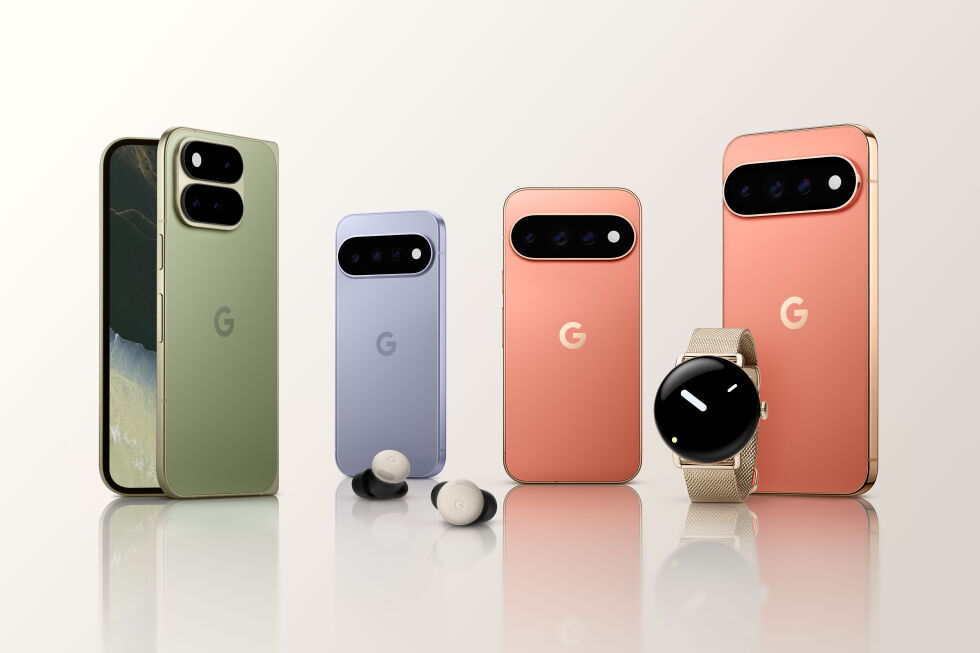
Google introduced the Pixel 11 family with slimmer camera hardware and more artificial-intelligence features intended to reduce the number of taps needed for everyday tasks. The launch gives Android buyers new options, but it also makes the upgrade decision harder: some of the headline value belongs to the phone, while some belongs to software and temporary subscriptions.
What Google is trying to sell
The new lineup continues Google’s strategy of using Pixel as the showcase for Android and Gemini. Demonstrated features include tools for extracting photos from video, helping with scripted recording, stabilizing video and improving speech-to-text. Camera zoom and the physical camera profile were also highlighted.
Buyers of the more expensive Pro models are offered six months of Google AI Pro. That can be useful, but it should not be counted like extra storage or a better sensor. A promotional subscription has an expiration date and may create an additional cost if the user wants to keep it.
Three questions before upgrading
First, identify the limitation of your current phone. If the battery no longer lasts a day, the camera misses the shots you care about or software support is ending, new hardware can solve a real problem. If the current device remains reliable, an AI feature alone may not justify replacing it.
Second, check where each feature runs. On-device processing can improve speed, privacy and offline availability. Cloud-dependent features may require connectivity, an account or a paid tier. Marketing demonstrations do not always make those boundaries obvious.
Third, compare the entire ownership cost. The phone price is only one part. Storage upgrades, protection, accessories and subscriptions can materially change the total. A launch credit is valuable only if it applies to something you would otherwise buy.
Who has the strongest reason to buy
Owners of older Pixels are likely to see the clearest improvement in cameras, battery efficiency and support life. Heavy photo and video users may benefit from the capture and editing changes. People already paying for Google’s AI services can assign more value to the integration, although the free period remains temporary.
Recent flagship owners should be more skeptical. Software features may reach older supported devices, and the practical difference between two consecutive generations can be smaller than a launch presentation suggests.
The evidence that comes later
A launch confirms specifications and availability, not durability. Battery endurance, thermal behavior, modem performance and camera consistency require independent testing over time. Buyers who do not need a phone immediately lose little by waiting for those results.
Pixel 11’s AI direction is meaningful, but the durable value still rests on familiar questions: does the hardware solve a real problem, will the feature remain available, and is the total price better than keeping a capable phone for another year?
Privacy and reliability belong in the comparison
AI features can require access to photos, messages, voice recordings or screen content. Buyers should review which data stays on the device, what is sent to Google’s servers and whether a feature can be disabled. A feature that saves time may still be a poor fit for sensitive work or family information if its data path is unclear.
Reliability matters as much as novelty. Speech tools need to handle accents and noisy environments. Image features should disclose when content has been generated or substantially altered. An assistant that works in a controlled demonstration may behave differently with incomplete instructions and ordinary mobile connectivity.
Compare the Pixel 11 with the phone you actually own
Year-over-year comparisons are useful for reviewers, but buyers usually replace phones on a longer cycle. A Pixel 7 or Pixel 8 owner should compare battery condition, camera performance and remaining support directly with the Pixel 11. An owner of last year’s flagship should calculate the net upgrade cost after trade-in and ask whether the new capability is available on the current device through software.
Storage deserves special attention because photos, video and offline AI models can consume space quickly. Cloud storage can reduce local pressure but adds a recurring payment and depends on connectivity. Choosing sufficient storage at purchase may be cheaper than managing constraints later, but only if the user genuinely needs it.
Finally, examine repairability, warranty terms and accessory compatibility. A slimmer camera design is aesthetically useful, yet cases, chargers and mounts can add cost if existing accessories do not fit. Independent reviews will soon provide the thermal, battery and camera evidence that a launch cannot. Waiting for those tests is a rational buying strategy, not missing out.
What people are saying
Early Pixel discussions praise launch offers and camera improvements, while some owners question price increases and incremental hardware changes. Launch-day comments are useful signals, not long-term reliability evidence.
A phone launch mixes three different products: physical hardware, software available on the device and services that may later require payment. Pixel 11 buyers should value each separately. A camera or battery improvement remains with the phone. An AI subscription promotion expires. A promised feature may change after launch. The best upgrade case is therefore based on improvements a buyer will use every week, not the number of AI demonstrations on stage.