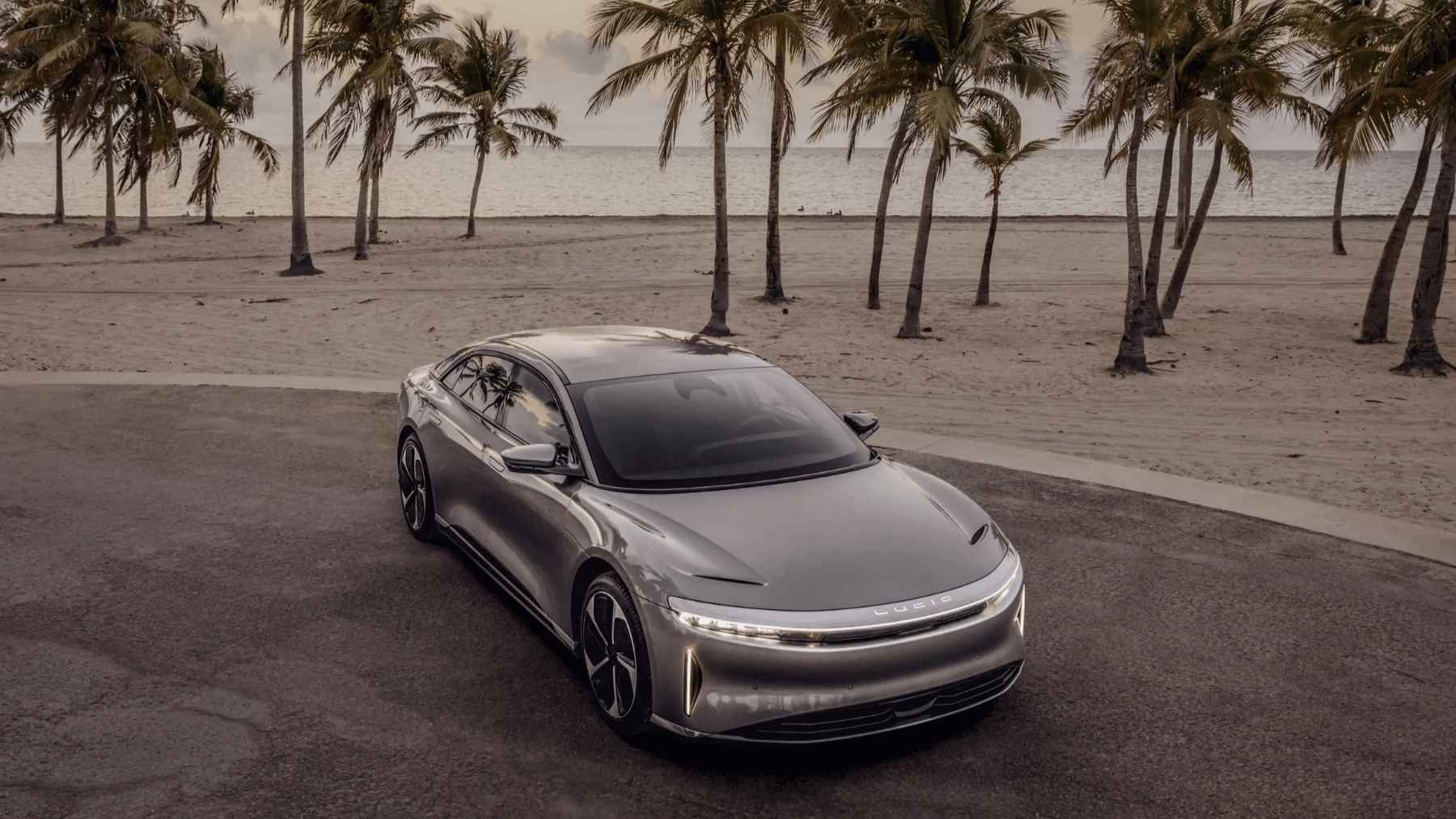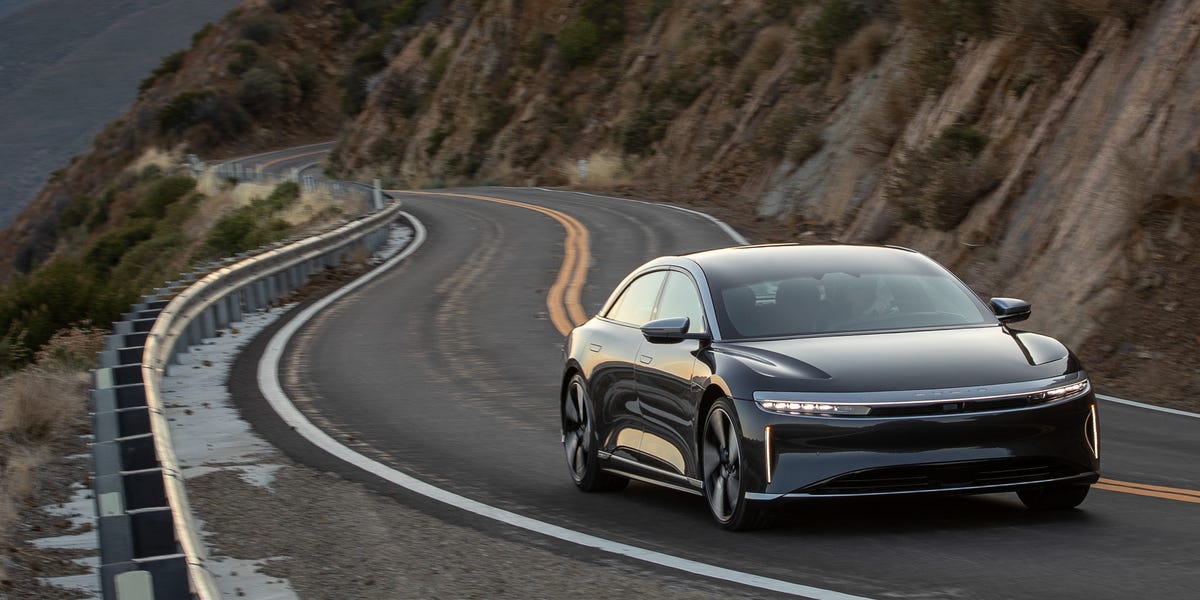

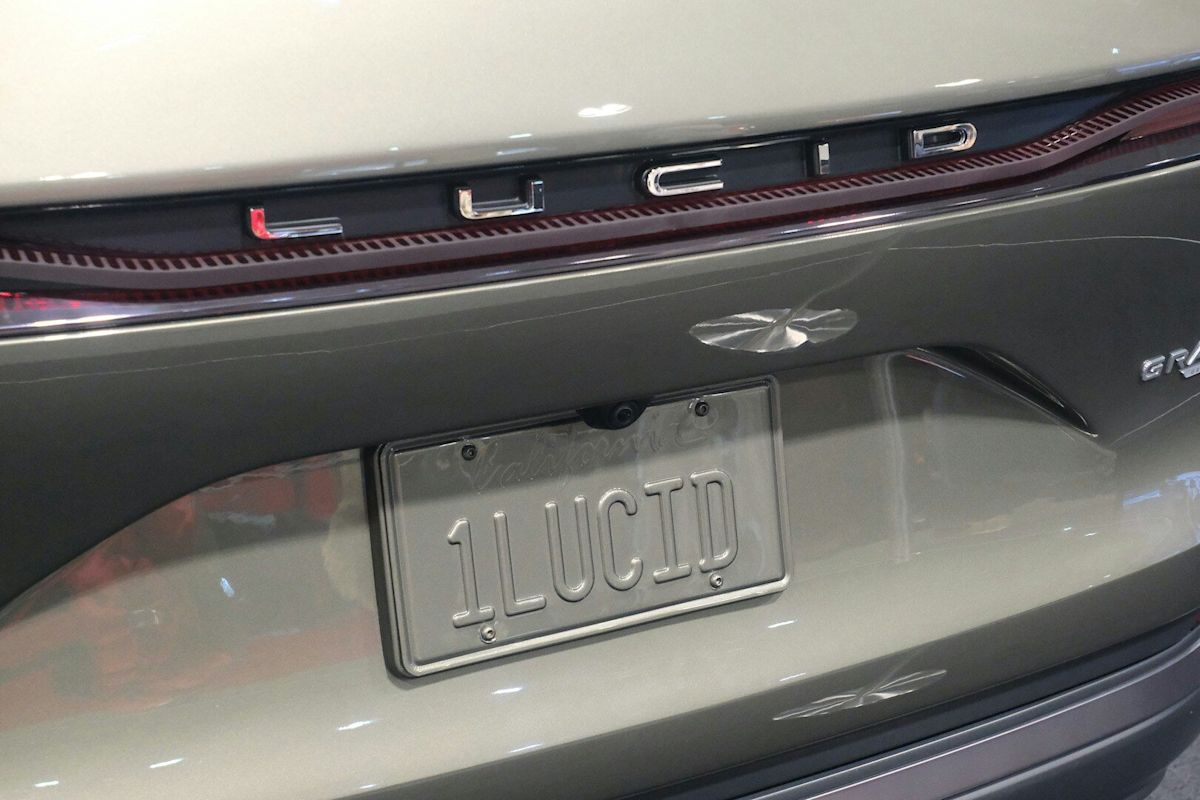
Lucid Air owners should first check whether their vehicle has received the recall software update. The Aug. 28, 2026 recall covers 27,185 U.S. Lucid Air sedans from the 2022-2026 model years, according to reports citing the National Highway Traffic Safety Administration. Until the update is installed, affected owners are advised to park outside and away from structures because an exterior-lighting circuit may overheat and increase the risk of fire.
The available evidence does not include the underlying NHTSA recall notice, a VIN range or a direct vehicle lookup result. That means the reports can identify the broad model-year group, but they cannot confirm that any particular Lucid is affected. Do not decide eligibility from appearance, trim, software behavior or the fact that the car was bought at a particular location. Use the vehicle identification number with the official NHTSA recall lookup or contact Lucid before treating the car as covered.
What changed on Aug. 28, 2026
CNBC reported that Lucid was recalling 27,185 flagship Air sedans after an exterior-lighting circuit was found capable of overheating. The same report said the problem could cause a fire and could also result in a loss of exterior lighting, which may increase crash risk.
Kelley Blue Book provided a more specific description of the mechanism. Its report, citing an NHTSA filing, said faulty software logic governing an electronic fuse, or eFuse, could leave the low-voltage circuit powering the vehicle’s exterior lights with insufficient overcurrent protection. If the circuit continues to exceed its amperage thresholds, it may overheat.
That distinction matters for owners. The reported defect is not described as a problem with the car’s battery chemistry or a visible tail-light component. It concerns the software logic responsible for protecting a low-voltage exterior-lighting circuit. As a result, an owner may not be able to identify the risk through a visual inspection or by checking whether the lights appear to work normally.
The immediate owner decision
There are two practical branches. If the remedy software is already installed, the reports say the vehicle has the protection intended to prevent thermal events in the lighting circuits. If the update has not been installed, the reported precaution is to park the vehicle outdoors and away from structures until the software update is completed.
The remedy is delivered over the air, so a service visit is not required according to the Kelley Blue Book report. CNBC reported that Lucid had already determined 20,719 vehicles had received the update. Kelley Blue Book separately reported that more than 6,000 owners had not yet installed it. Those figures describe the status reported by the outlets; they are not a substitute for checking an individual vehicle.
The exact installation process, eligibility result and software version are not included in the evidence pack. Owners should follow the instructions displayed by Lucid or in the official recall communication rather than relying on a general online discussion. If the update does not appear, contact Lucid and provide the vehicle’s VIN.
What owners should verify before driving normally
- Confirm the vehicle identity. Check the VIN through the official NHTSA recall system or Lucid. The supplied evidence does not provide VIN ranges, so the broad 2022-2026 model-year description cannot establish individual eligibility.
- Check the remedy status. Determine whether the recall software has been installed. Reports say the remedy is an over-the-air update, but the evidence does not supply a universal software-version label.
- Follow the parking precaution if the update is pending. Park outside and away from structures until the fix is installed, as described in the reports citing NHTSA and Lucid.
- Keep the recall communication. Kelley Blue Book reported that Lucid planned to send written notification to owners who had not installed the updated software by Oct. 16, 2026. That date is a notification milestone, not a stated repair deadline or proof that a vehicle is eligible.
Why the recall number needs context
The 27,185-vehicle campaign is larger than Lucid’s reported 2025 deliveries of 15,841 cars. That comparison explains why the recall drew attention, but it does not measure the number of fires, the probability of a fire or the number of vehicles that experienced the defect. The supplied reports do not provide a confirmed incident count, injury count, property-loss total or financial compensation program.
The reports also describe earlier 2026 Lucid recalls involving other issues, including loss of drive power and rearview-camera image problems. Those campaigns should not be treated as part of this lighting-circuit recall. Owners need to verify each campaign separately by VIN because a vehicle can have more than one open recall, while a different recall does not prove eligibility for this one.
What remains unverified
The evidence supports the broad action: identify the vehicle, check the update, and follow the outdoor-parking precaution if the remedy is not installed. It does not establish a specific affected VIN, a final repair completion deadline, reimbursement terms, or a payment to owners. It also does not show whether every vehicle in the cited model-year range is included.
Until the official notice or a vehicle-specific lookup supplies those details, the safest editorial boundary is to treat the model-year information as a screening clue rather than a final eligibility decision. The next verifiable step is a VIN-level result from NHTSA, Lucid or an official recall communication.
The Lucid Air recall is best understood as a software-protection problem with a specific interim precaution, not as a broad finding about every Lucid vehicle or every electric vehicle. Reports citing NHTSA identify 27,185 U.S. Air sedans and describe a circuit that may overheat when its eFuse logic provides insufficient overcurrent protection. The immediate decision is status-based: verify the VIN and determine whether the remedy update is installed. If it is not, the reported instruction is to park outside and away from structures. The evidence does not establish individual eligibility, a repair deadline or compensation.
Sources and methodology
- Lucid Just Recalled More Cars Than It Sold All Last Year — Because the Tail Lights Might Start a Fire - https://autos.yahoo.com/safety-and-recalls/articles/lucid-just-recalled-more-cars-150907734.html
- EV maker Lucid to recall more than 27000 luxury sedans ... - https://www.cnbc.com/2026/08/28/ev-maker-lucid-to-recall-more-than-27000-luxury-sedans-over-fire-risk-nhtsa-says.html
- Lucid Recalls Over 27000 Vehicles, Issues "Park Outside ... - https://www.kbb.com/car-news/lucid-recalls-over-27000-vehicles-issues-park-outside-order