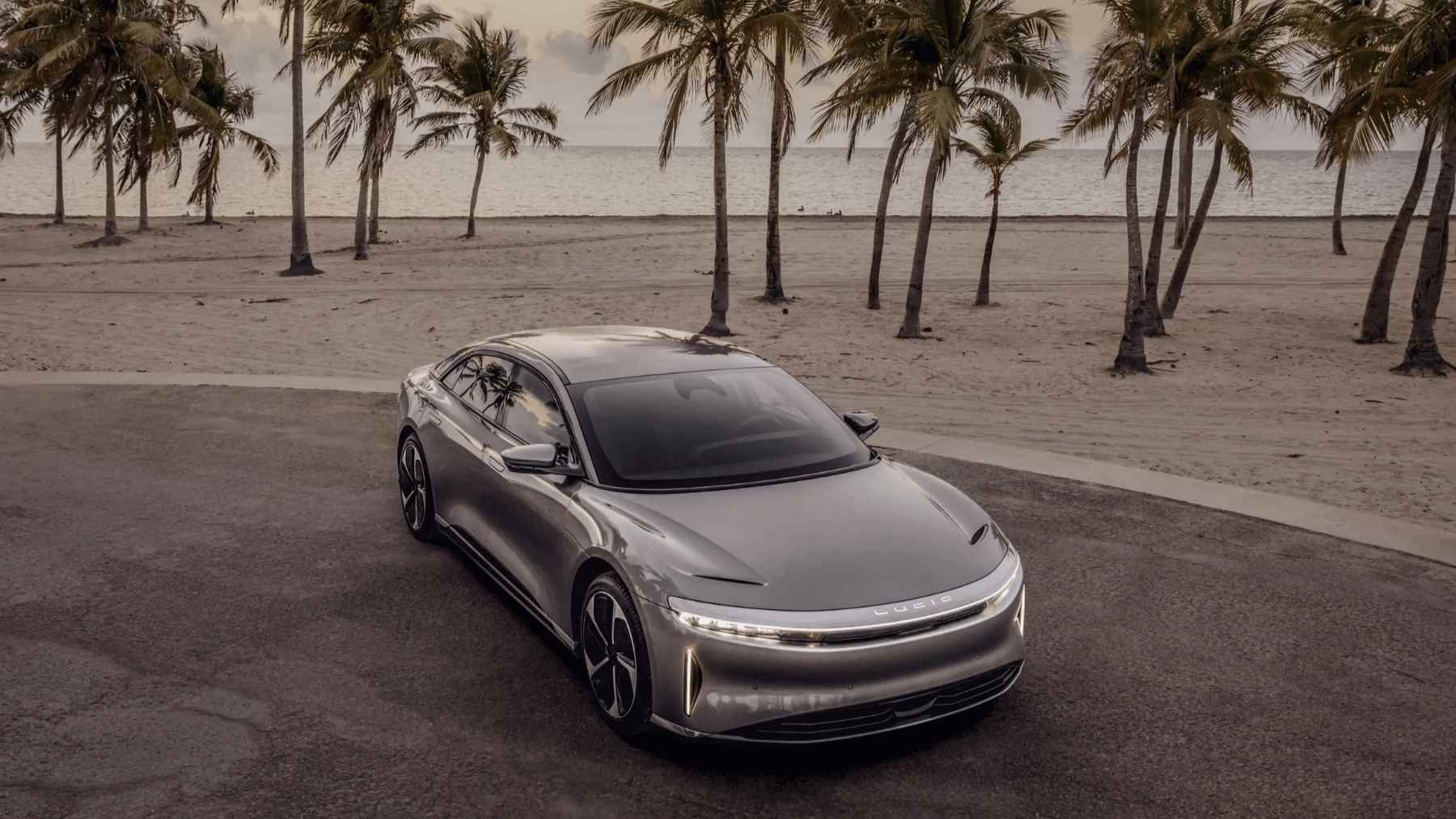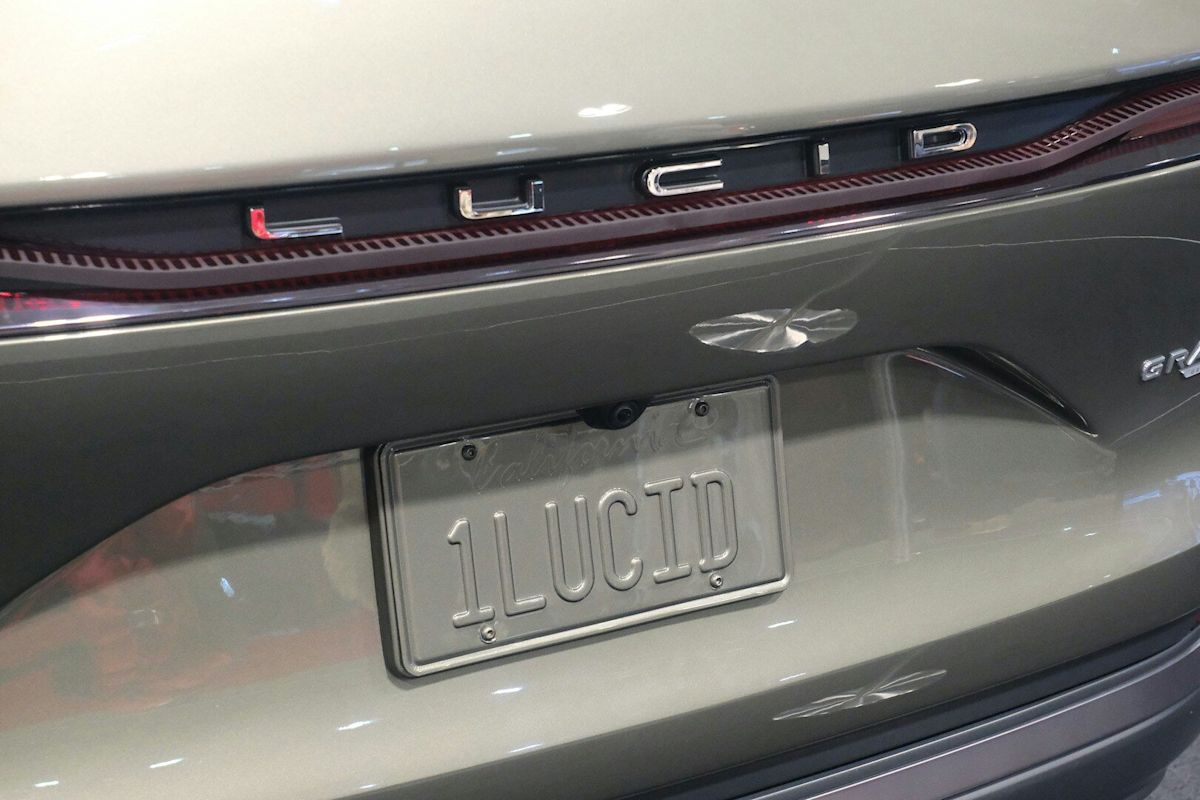

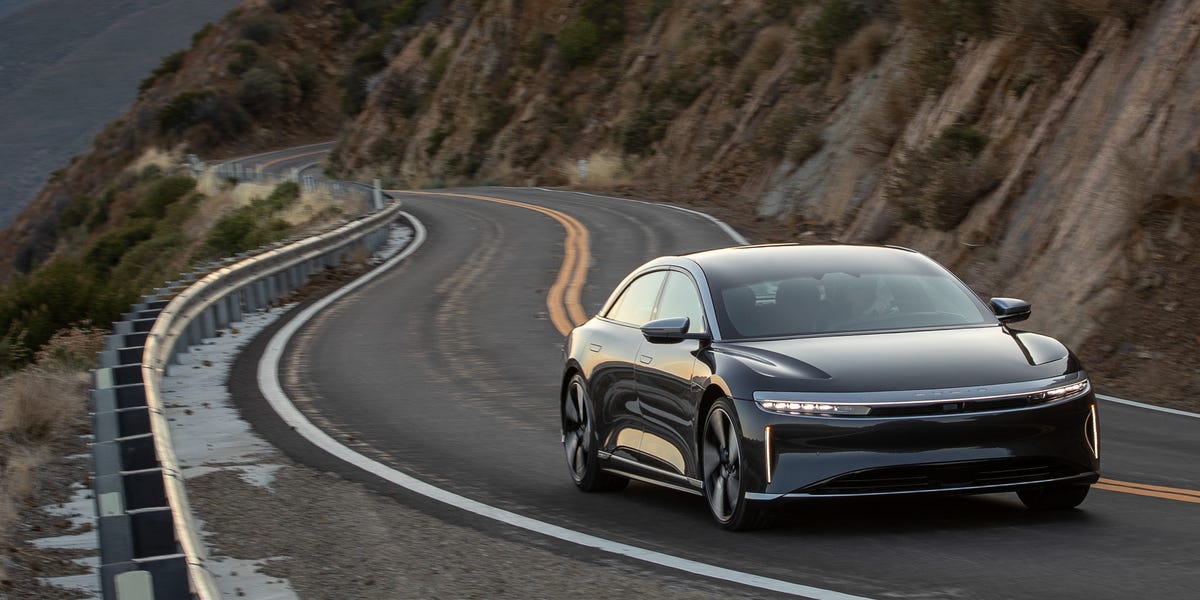
Who is affected: The available recall reporting identifies 27,185 Lucid Air sedans from the 2022 through 2026 model years, built from October 11, 2021, through July 27, 2026. The issue involves software logic for certain low-voltage exterior-lighting circuits. If your vehicle has not received software version 2.10.0 or later, the reported instruction is to park it outside and away from buildings or other structures until the remedy is completed.
That model-year and production-date range is not a substitute for a vehicle-identification-number check. The supplied evidence does not include a VIN list or an official lookup result, so it cannot confirm whether a particular Lucid Air is affected. Owners should use Lucid’s recall instructions or the official National Highway Traffic Safety Administration recall system to verify an individual vehicle.
What triggered the Lucid Air recall
The reported defect is not described as a battery-cell problem. It concerns the electrical protection strategy for an eFuse serving certain low-voltage exterior-lighting circuits. Recall documents cited by Road & Track and Car and Driver say the software may allow a circuit to remain energized at excessive amperage instead of providing sufficient overcurrent protection.
That mechanism creates two separate risks. The circuit can overheat, potentially producing smoke or fire. The same fault can also cause exterior lights to malfunction, which may reduce visibility or increase crash risk. The reports say owners may notice smoke, a burning odor or warning telltales associated with an exterior-lighting malfunction.
The evidence describes three reported fires between 2023 and 2026, four smoke reports from October 2025 through April 2026, and 33 warranty reports involving damage to center high-mounted stop-lamp wiring harnesses that could be related to the issue. Those reports explain why the recall was opened, but they do not establish that every affected vehicle will experience a fire.
The turning point: a software remedy
Lucid developed software version 2.10.0 to change the protection behavior. The reported update lowers applicable eFuse protection thresholds and prevents a faulted circuit from retrying during the same key cycle. The remedy is delivered over the air rather than through a documented hardware replacement.
Car and Driver reported that 20,719 of the recalled vehicles had already received version 2.10.0 or later when the recall was filed. That figure is a snapshot from the filing period, not confirmation that every remaining vehicle has since been updated.
The reports state that the over-the-air updates are provided at no cost. Owners who need help installing the update are directed to contact Lucid for assistance. The supplied evidence does not provide a separate repair appointment deadline or a reimbursement policy for expenses, so those details should not be assumed.
What Lucid Air owners should do
- Verify the vehicle. Check the individual vehicle through Lucid or NHTSA using its VIN. Do not rely only on the model name, year, appearance or the fact that the car was purchased at a particular location.
- Check the software version. The relevant reported remedy is version 2.10.0 or later. If the vehicle already shows that version or a newer one, the cited remedy has been installed according to the available reporting, although owners should still follow any current instructions from Lucid.
- Use the interim parking instruction if needed. If the vehicle has not been updated, park it outside and away from buildings and other vehicles until the update is completed. This is the precaution reported in the recall documents.
- Respond to warning signs. Smoke, a burning odor or an exterior-lighting malfunction warning should be treated as a reason to follow Lucid’s recall and vehicle-safety instructions rather than continue normal use. The supplied evidence does not authorize additional emergency or medical directions, so owners should use the official notice and local emergency guidance for an active smoke or fire event.
- Contact Lucid if the update does not complete. The reported instructions say owners can contact Lucid for installation assistance at no cost.
When the answer changes
The immediate action depends on the vehicle’s verified software status, not simply on whether it is a Lucid Air. A 2022-2026 Air within the reported production range may require action if it lacks version 2.10.0 or later. Conversely, the supplied articles cannot independently confirm an individual vehicle’s status without a VIN check.
Lucid was reported to be notifying owners who had not updated their cars by October 16, 2026. That date is the next documented notification milestone in the evidence pack. Until an official lookup or manufacturer notice confirms the vehicle’s status, the most defensible approach is to verify the VIN and software version, then follow the manufacturer’s current instructions.
The practical question is not whether every Lucid Air in the reported model-year range is dangerous, but whether a specific vehicle has received the software remedy. The available evidence connects the recall to insufficient overcurrent protection in certain exterior-lighting circuits and documents three fires, four smoke reports and 33 potentially related wiring-harness warranty reports. Lucid’s stated remedy is software version 2.10.0 or later, delivered over the air at no cost. Because the evidence pack lacks an official VIN lookup or the underlying NHTSA URL, owners should treat the model-year range as a screening point and verify the vehicle directly before deciding that it is cleared.
Sources and methodology
- EV maker Lucid to recall more than 27,000 luxury sedans over fire risk, NHTSA says - https://www.roadandtrack.com/news/a73553469/lucid-air-recall-battery-fire-issue
- Lucid Recalls 27185 Air Sedans That Pose a Fire Risk - https://www.caranddriver.com/news/a73554008/lucid-air-fire-risk-recall
- Over 27000 Lucid Airs Recalled Over Fire Risk as Owners ... - https://www.motorbiscuit.com/over-27000-lucid-airs-recalled-over-fire-risk-as-owners-told-to-park-outside
- Lucid to recall more than 27000 luxury sedans over fire risk ... - https://lufkindailynews.com/news_reuters/business/ev-maker-lucid-to-recall-more-than-27-000-luxury-sedans-over-fire-risk-nhtsa/article_eef220de-5ade-5fb6-9138-6b68d67c1e4f.html