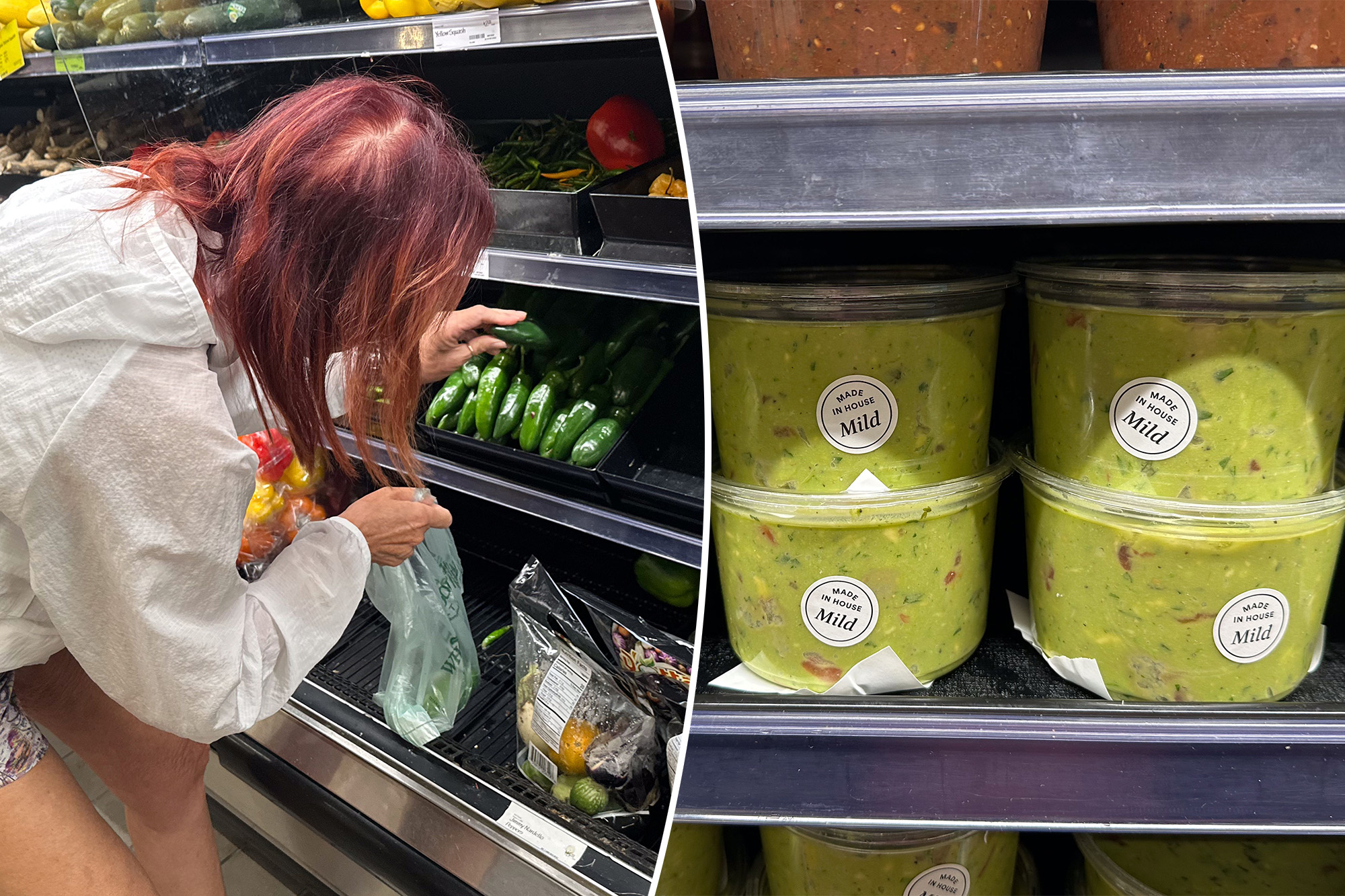

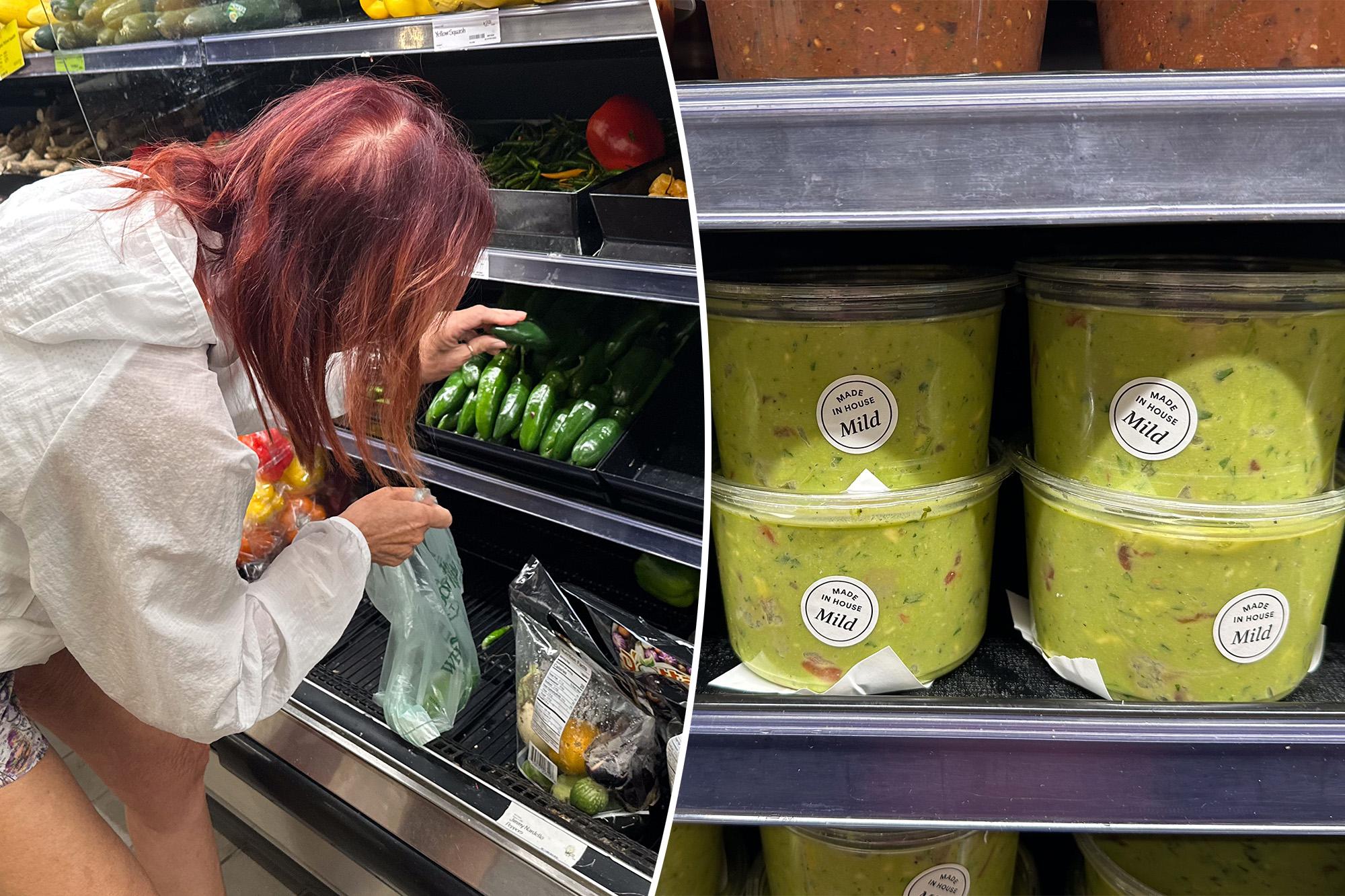
Who is affected? The available evidence concerns selected Whole Foods Market guacamole, salsa, pico de gallo and other prepared foods made with jalapeños sourced from Coast Citrus Distributors. The FDA posted the company’s recall announcement on Aug. 12, 2026, because of possible Salmonella contamination. An independent USA TODAY report later said the recall received the FDA’s Class I classification, the agency’s highest-risk category.
That classification does not mean every guacamole container sold by Whole Foods is recalled. It applies to the products covered by the recall notice. Because the supplied FDA text does not display the complete package-level identifier list, the available evidence cannot confirm whether a particular container in a reader’s refrigerator is affected. The safe way to make that decision is to compare the item with the official FDA notice and the manufacturer or retailer’s current recall information, using the exact product description, package details, date and code shown there.
What changed in the recall timeline
The timeline began with the jalapeño supply. The FDA says Whole Foods recalled selected prepared-food products containing jalapeños supplied by Coast Citrus Distributors. The agency said the supplier’s fresh jalapeños were connected to a broader outbreak investigation and that the peppers had been imported from Sinaloa, Mexico.
Whole Foods’ Aug. 12 announcement was broader than guacamole alone. It covered products from the company’s Produce and Prepared Foods departments, including dips, salsa and guacamole. The FDA notice also says the announcement was updated to remove products that were seasonal, discontinued or not available for sale during the relevant recall period. That detail matters because a product category alone is not enough to establish that a specific item is affected.
USA TODAY reported that the FDA classified the recall as Class I on Aug. 20, 2026. The report described the classification as meaning there is a reasonable probability that use of the recalled products could cause serious adverse health consequences or death. It also reported that the guacamole portion involved 12,995 units of Whole Foods Mild Guacamole Dip, sold in 12 states, with best-before or use-by dates ranging from Aug. 7 through Aug. 12. Those details come from the independent report; readers should verify them against the current FDA notice before deciding what to do with a specific item.
What to do if you have Whole Foods guacamole
Do not decide based only on flavor, ingredients, appearance, the store where you bought it or the fact that it is guacamole. Recall status depends on the exact identifiers in the official notice. Check the label against the FDA recall page and any current Whole Foods instructions. If the product matches the official identifiers, follow the notice’s action exactly.
USA TODAY reported that Whole Foods had advised customers not to eat recalled products, to throw them away and to contact the company for a refund. Those instructions should be confirmed in the current retailer or FDA notice before action, particularly if the product’s label is incomplete or the item was purchased in a prepared-foods section rather than from a standard retail shelf. The supplied evidence does not establish a refund deadline or a universal refund process.
The FDA notice identifies possible health risks from Salmonella. It says infection can cause fever, diarrhea, nausea, vomiting and abdominal pain, and that serious illness can occur in young children, older or frail people and people with weakened immune systems. The notice also describes rare complications in which infection enters the bloodstream. It does not, in the supplied text, provide a product-specific medical response for someone who may have eaten the food, so readers should use the official notice and a qualified medical professional for health questions rather than self-diagnosing.
What the evidence does—and does not—show
The broader outbreak gives the recall its significance, but it does not prove that every illness in the outbreak came from Whole Foods products. The New York Post reported FDA figures as of Aug. 21 showing 431 illnesses in 32 states, 57 hospitalizations and no reported deaths in the broader outbreak. The same report said no illnesses had been reported specifically in connection with the Whole Foods products at that point.
That distinction separates a confirmed recall rationale from an unverified individual conclusion. The FDA confirms the recall and possible contamination concern. The independent reports add the Class I classification and broader outbreak figures. Neither source, as supplied here, confirms that a particular reader’s product is recalled without the exact label identifiers.
The next verification step
The most useful next step is not to guess from the product name. Open the official FDA recall notice, locate the complete product list and compare every available label detail. If the item matches, follow the notice and Whole Foods’ instructions. If the evidence pack does not show enough information to make a match, treat the item as unconfirmed and seek clarification through the official recall contacts rather than assuming it is safe or affected.
No deadline for returning the product or requesting money is established by the supplied FDA text. The recall may be updated as the FDA’s investigation continues, so the official notice remains the controlling source for affected identifiers, disposal or return instructions and any later changes.
The central consumer question is not whether Whole Foods guacamole generally is unsafe, but whether a specific item matches the official recall identifiers. The FDA confirms a recall involving selected products made with jalapeños supplied by Coast Citrus Distributors. USA TODAY independently reports a Class I classification and additional guacamole details, while the supplied FDA excerpt does not show the full identifier list. Readers should therefore verify the exact label against the current FDA notice and follow only the stated retailer or agency instructions.
Sources and methodology
- FDA upgrades recall on Whole Foods guacamole to highest threat level - https://nypost.com/2026/08/27/lifestyle/whole-foods-guacamole-recall-upgraded-to-highest-fda-level
- Whole Foods Market Announces a Recall of Select Salsas ... - https://www.fda.gov/safety/recalls-market-withdrawals-safety-alerts/whole-foods-market-announces-recall-select-salsas-guacamole-pico-de-gallo-and-prepared-foods
- Whole Foods guacamole recall receives FDA's highest risk ... - https://www.usatoday.com/story/money/consumer-protection/recalls-alerts/2026/08/28/whole-foods-guacamole-recall-classified-under-fda-highest-risk-level/91512331007
- Certain Whole Foods Market brand guacamoles, pico de ... - https://recalls-rappels.canada.ca/en/alert-recall/certain-whole-foods-market-brand-guacamoles-pico-gallos-salsas-and-prepared-foods