
Multnomah County’s climate lawsuit is not a check residents can expect soon. Filed in Oregon state court in 2023, the case seeks more than $50 billion from fossil-fuel companies and alleges that their conduct contributed to climate damages, including the deadly 2021 heat dome. The practical question is whether the county can turn that claim into a legal basis for recovering public costs—and how long that process may take.
For residents, the immediate trade-off is straightforward: litigation may offer a route to shift some climate-related expenses away from local taxpayers, but it also brings years of legal uncertainty and no guaranteed funding for cooling, emergency response or future protection.
What the lawsuit is asking for
The county’s complaint names ExxonMobil, Shell, Chevron, BP and other oil and gas companies. It also names McKinsey & Company, which the Center for Climate Integrity described as the first consulting firm named as a defendant in this type of case. The county is seeking more than $50 billion for past and future costs associated with climate damages.
The lawsuit links those costs to a broader allegation: that fossil-fuel companies helped drive climate change while misleading the public about the risks of their products. Those allegations remain claims in litigation, not established findings against every defendant.
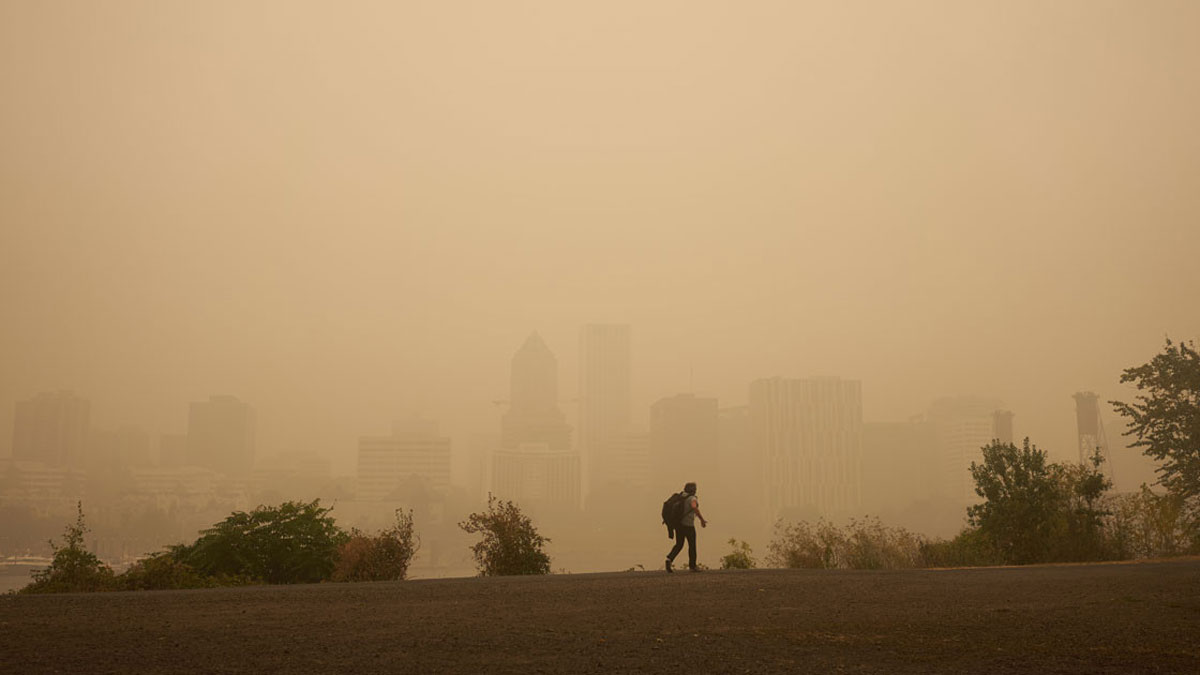
The case was filed two years after a June 2021 heat dome pushed temperatures in Multnomah County to 116 degrees. The Center for Climate Integrity reported 69 deaths in the county over the five-day event. OPB later reported that county records counted 72 heat-related deaths in 2021, including 69 during the June heat wave. The difference shows why readers should distinguish between figures tied to the five-day event and broader annual totals.
Who could gain—and who still carries the risk
A successful case could improve the county’s ability to pay for climate adaptation or recover costs already borne by public agencies. That could matter to people who depend on publicly funded emergency shelters, heat outreach and other services, particularly during extreme weather.
But a lawsuit does not itself create those services. Until a court allows the case to proceed and a judgment or settlement is reached, the county remains responsible for planning and paying for immediate responses. Residents therefore should not treat the $50 billion demand as available revenue, a forecast of damages or a measure of likely compensation.
The companies named as defendants also face a different kind of exposure: potential litigation costs, discovery obligations and the possibility that a court could allow claims about climate-related costs to move forward. The evidence supplied here does not establish the companies’ defenses, the probability of dismissal or the amount, if any, that could eventually be awarded.
Why the next step may take longer
The Climate Litigation Database identifies the case as County of Multnomah v. Exxon Mobil Corp., docket 23CV25164, and records defense activity concerning a motion to dismiss. It also records an Oregon trial-court decision denying a defense request to stay the case while the U.S. Supreme Court considered another climate lawsuit. The court cited possible prejudice from a delay, including the loss or fading of witness memories.
That procedural history matters more to residents than the headline dollar figure. A dismissal would end or narrow the county’s route to recovery. Allowing the case to continue would not prove the allegations, but it would move the dispute into a more demanding phase in which evidence, causation and damages could be tested.
OPB reported in July 2025 that an executive order signed in April could create further delays for state and local climate-accountability actions. Seven members of Oregon’s congressional delegation asked the administration to rescind it. The report describes a potential obstacle, not a final ruling that blocks Multnomah County’s case.
A practical way to follow the case
For readers deciding how much weight to put on the lawsuit, the sensible signal is not the requested sum. Watch docket 23CV25164 for a substantive ruling or filing on dismissal, a stay, jurisdiction or discovery. Those events will show whether the county can continue building its case.
Until then, the responsible conclusion is limited: Multnomah County has made a large legal claim tied to climate-related public costs, and the case has faced procedural uncertainty. It may eventually affect how local governments discuss adaptation expenses and corporate responsibility, but its financial outcome, timeline and effect on county services remain unresolved.
Multnomah County’s lawsuit is best understood as a high-stakes attempt to change who pays for climate adaptation, not as an imminent source of public money. The county seeks more than $50 billion from fossil-fuel companies over alleged climate-related damages, but the supplied evidence does not establish that the defendants are liable or that any amount will be awarded. For residents, the central trade-off is between pursuing a potentially significant recovery and spending years in procedural uncertainty while local agencies still face immediate heat risks. The next meaningful signal is a substantive filing or ruling in docket 23CV25164.
Sources and methodology
- Multnomah County, Oregon, joins the fight to make Big Oil ... - https://climateintegrity.org/news/view/multnomah-county-oregon-joins-to-fight-to-make-big-oil-pay
- County of Multnomah v. Exxon Mobil Corp. - https://www.climatecasechart.com/document/county-of-multnomah-v-exxon-mobil-corp_b24b
- Multnomah County's $52B lawsuit against Big Oil could ... - https://www.opb.org/article/2025/07/25/multco-lawsuit-big-oil-trump-delays
- Inside Multnomah County's Climate Lawsuit - https://www.ucs.org/resources/inside-multnomah-countys-climate-lawsuit