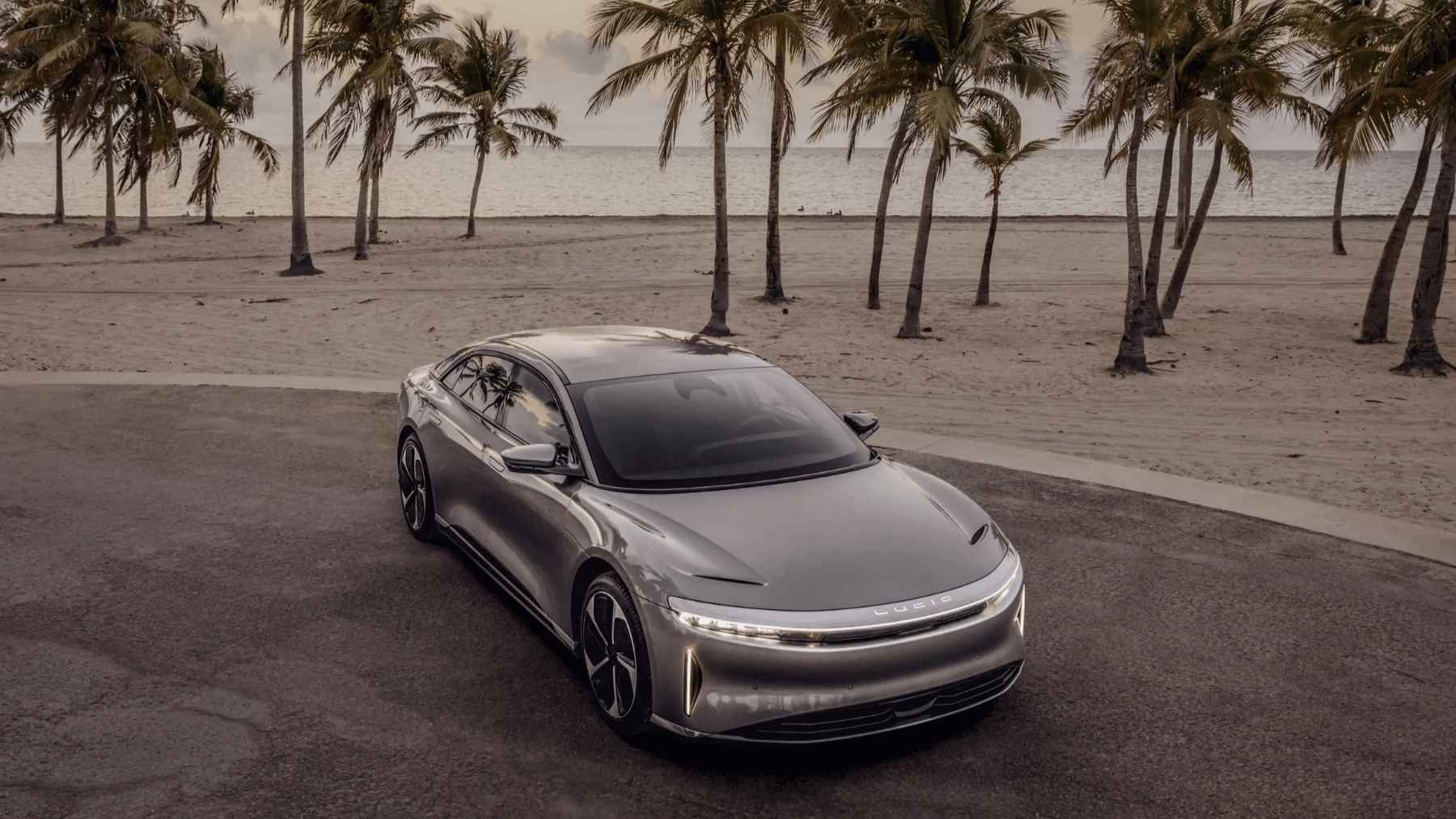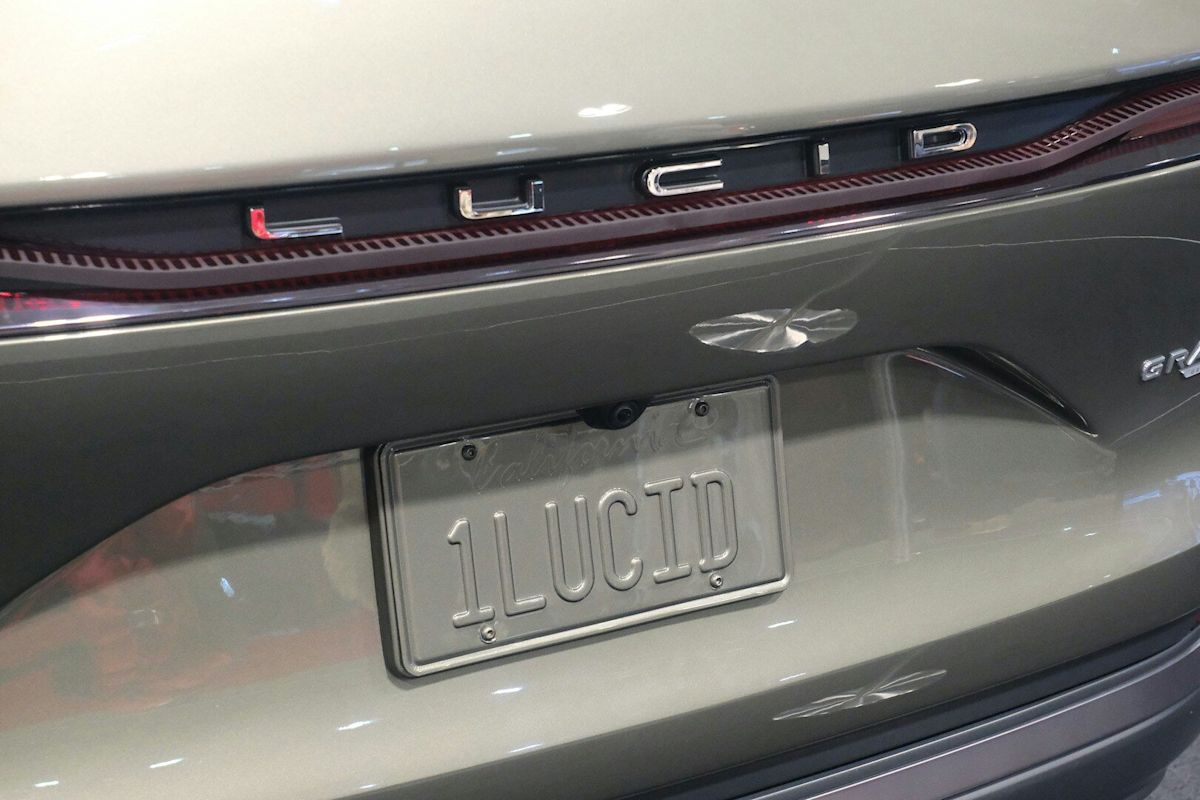

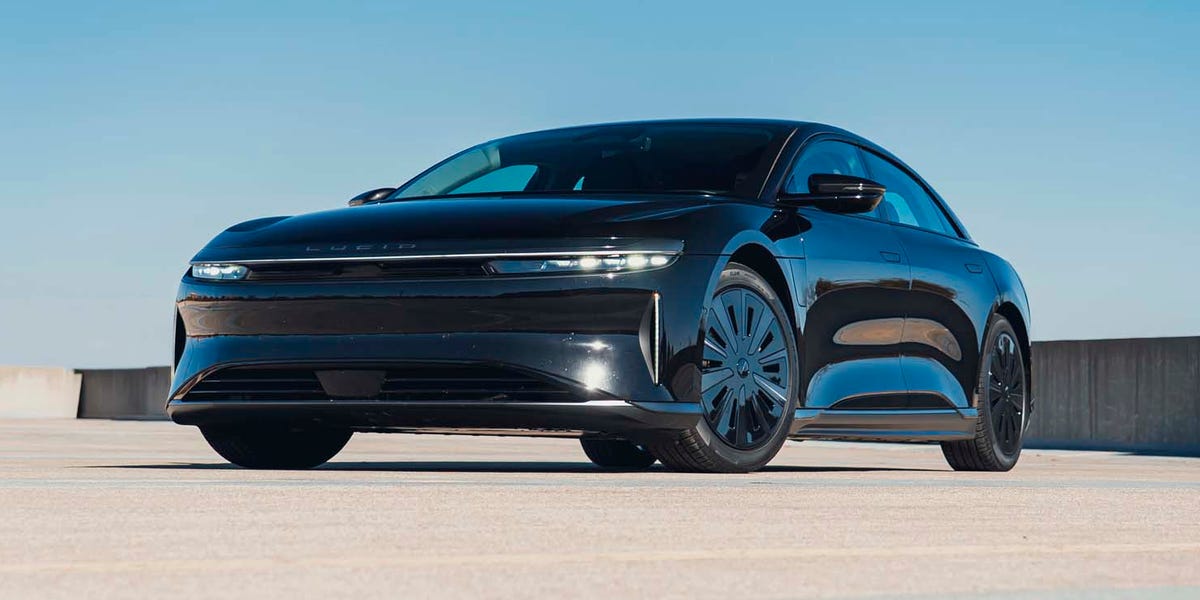
Lucid Air owners should check their vehicle’s software and verify the recall through an official vehicle-specific lookup. The recall covers 27,185 Air sedans from the 2022 through 2026 model years, according to reporting on documents filed with the National Highway Traffic Safety Administration. The issue involves low-voltage exterior-lighting circuitry that may overheat, potentially causing smoke, fire or malfunctioning headlights and taillights.
A model year, trim, color, location of purchase or visual similarity is not enough to confirm that a particular car is affected. The supplied evidence does not include the recall’s VIN ranges or a vehicle-specific eligibility result. Owners should therefore use the official NHTSA record, recall notice or Lucid’s customer-support process to confirm an individual vehicle.
What the Lucid Air recall involves
The underlying problem concerns software-controlled protection for exterior-lighting circuits powered by an electronic fuse, or eFuse. The recall documents reportedly say the existing software may allow a circuit to operate at excessive amperage instead of providing enough overcurrent protection.
That can cause the circuit to overheat. In some cases, the overheating may produce smoke or fire; it may also damage wiring and cause headlights or taillights to work incorrectly. This is a different question from whether a vehicle shows a visible sign of damage: the recall determination comes from the official notice and vehicle identifiers, not from an owner’s inspection of the lights or wiring.
The timeline and the turning point
Lucid filed the recall with NHTSA under safety recall report 26V540. The reporting supplied for this article says the campaign involves 27,185 Air sedans spanning the 2022 through 2026 model years.
At the time of the filing, Lucid was reported to be aware of three fires believed to be related to the overheating circuits, four reports of smoke and 33 warranty reports involving damaged center high-mounted stop-lamp wiring harnesses. Those reports describe the documented safety concern; they do not establish that every recalled vehicle will experience a fire or that every lighting problem has the same cause.
The turning point is the software remedy. The newer software lowers the eFuse amperage and disables a function that could re-energize a faulted circuit during the same key cycle. The supplied reporting says the update had already been sent over the air and identifies software version 2.10.0 or later as the relevant updated version.
What owners should do now
- Check the installed software. Confirm whether the vehicle shows version 2.10.0 or later. The available evidence does not explain every software-menu path, so owners should follow Lucid’s instructions or contact the automaker if the version cannot be located.
- Confirm the vehicle by identifier. Use the official NHTSA recall record or Lucid’s recall-support channel with the vehicle identification number. Do not rely on the 2022-2026 model-year range alone to decide whether the car is included.
- Follow Lucid’s safety instructions if the update is missing. The supplied reporting says Lucid urged customers who had not updated to park outside and away from other vehicles and buildings while awaiting the latest software. That instruction should be treated as the automaker’s reported guidance, not replaced with an improvised inspection or repair.
- Ask for assistance if the update cannot be completed. Lucid said customers needing help with installation would be advised to contact the automaker.
Lucid was reported to have planned notifications by October 16, 2026, for customers whose vehicles had not received the update. That date is a notification milestone, not evidence of a universal deadline by which every owner must complete a repair. The supplied evidence also does not state whether any customer payment, reimbursement or other financial remedy is available.
What is confirmed—and what is not
Confirmed from the supplied evidence are the recall population reported by NHTSA documents, the 2022-2026 model-year span, the exterior-lighting software mechanism, the reported fire and smoke incidents, the 2.10.0-or-later software remedy and the planned October 16, 2026 notification date.
Not confirmed in the supplied material are the affected VIN ranges, the precise build dates, whether every vehicle in the model-year range is included, the complete customer-letter wording, a repair-cost policy and any separate deadline for obtaining the remedy. Those details can change the answer for a specific owner.
For that reason, an owner should not assume eligibility—or rule it out—based only on the vehicle’s model year, symptoms, purchase location or whether the car has already received another software update. The safest next step is an official VIN-level check, followed by Lucid’s instructions for the affected vehicle.
The practical question for Lucid Air owners is not whether a vehicle resembles the recalled sedans, but whether its VIN is included and whether software 2.10.0 or later is installed. The documented failure mechanism is a low-voltage exterior-lighting circuit that may receive insufficient overcurrent protection, creating a potential overheating pathway. Lucid's reported remedy is an over-the-air software change, with customer assistance available when installation is unsuccessful. Because the supplied evidence does not include VIN ranges or complete remedy terms, owners should treat official vehicle-specific confirmation as decisive.
Sources and methodology
- Lucid Recalls 27,185 Air Sedans That Pose a Fire Risk - Car and Driver - https://www.caranddriver.com/news/a73554008/lucid-air-fire-risk-recall
- [PDF] Part 573 Safety Recall Report 26V540 | NHTSA - https://static.nhtsa.gov/odi/rcl/2026/RCLRPT-26V540-2255.pdf