

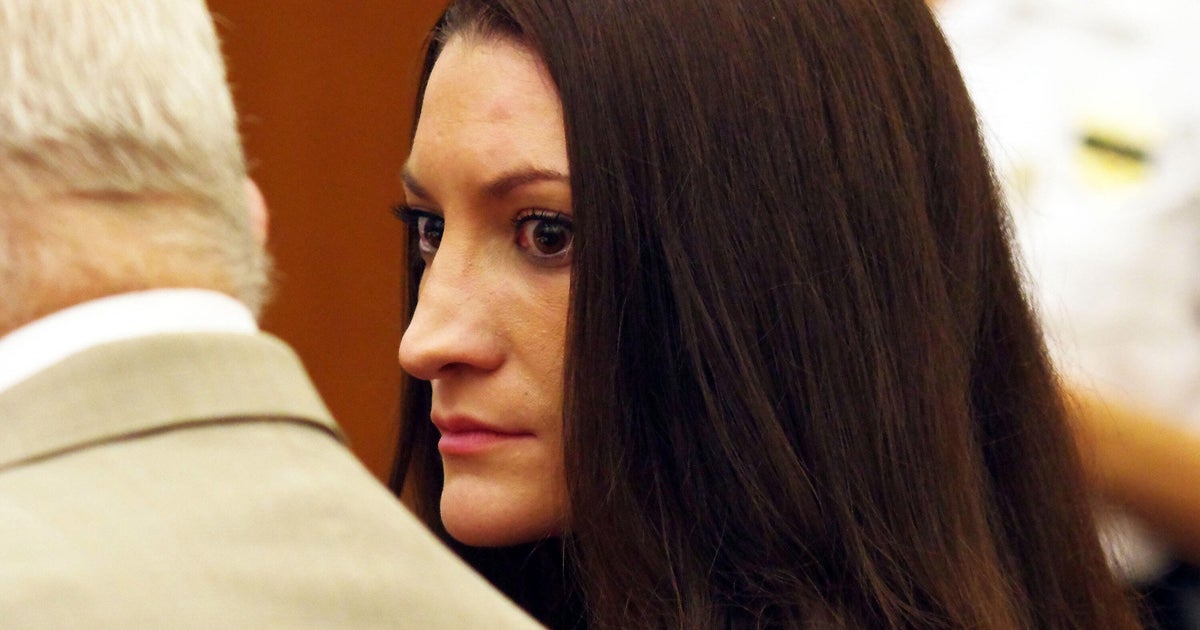
The Lindsay Clancy trial is in its prosecution rebuttal phase, meaning the case has moved beyond the defense’s main presentation but has not reached a verdict. Reports from CBS Boston, CT Insider and The Guardian agree that Clancy’s defense rested in August 2026 and that prosecutors then called rebuttal witnesses to address the defense theory that postpartum psychosis made her not criminally responsible.
The immediate reader question is therefore procedural: live coverage shows a trial nearing closing arguments, not a final decision about guilt, criminal responsibility or the legal significance of Clancy’s mental state.
What is confirmed about the trial’s current stage
CBS Boston reported that the trial resumed Monday in Plymouth Superior Court with forensic psychiatrist Dr. Avram Mack returning to the witness stand. He had been called as the first prosecution rebuttal witness, and the report said defense attorney Kevin Reddington expected prosecutors to call two more witnesses. Closing arguments could follow during the same week, but the report did not establish that they had occurred.
The Guardian separately reported that the defense rested on Friday after presenting testimony about Clancy’s mental state and efforts to seek help. It described the prosecution’s rebuttal as a standard step in cases involving an insanity defense. CT Insider also reported that a prosecution rebuttal witness was due to return after defense questioning.
These reports establish the sequence of events. They do not establish how the jury will interpret the testimony or when it will return a verdict.
The competing legal and medical claims
According to the supplied reports, Clancy’s lawyers have not disputed that she fatally strangled her three children at the family’s Duxbury, Massachusetts, home in 2023. Their argument is about criminal responsibility: the defense says she was suffering from postpartum psychosis and that her mental condition prevented her from being held responsible for the killings.
Prosecutors argue that Clancy is criminally responsible. The Guardian reported that prosecutors characterized the killings as intentional and argued that Clancy then staged a suicide attempt. Those are prosecution arguments, not findings by the court.
The distinction matters because psychiatric testimony can address several separate questions. A witness may discuss a diagnosis, symptoms, medication effects, a person’s ability to understand an action or the ability to conform behavior to the law. Evidence about one of those issues does not automatically resolve all the others.
Why the rebuttal testimony matters
Mack’s testimony, as summarized by CBS Boston and The Guardian, directly challenged parts of the defense presentation. CBS Boston reported that Mack met with Clancy at Tewksbury Hospital in April and that she recalled telling her children to “go to God” as she killed them. The Guardian reported that Mack testified Clancy retained the ability to understand the wrongfulness of her actions and conform her behavior to the law.
The Guardian also reported that Mack believed Clancy likely experienced a major depressive episode and anxiety but did not see evidence that she had been bipolar in a manic state. He acknowledged that medication could have caused side effects and a sense of change, while distinguishing those experiences from psychosis. These statements reflect one expert’s testimony and remain subject to the defense’s cross-examination and the jury’s assessment.
The defense’s case included testimony from forensic psychiatrist Dr. Phillip Resnick, whom The Guardian identified as a significant witness for the defense. The report said Resnick testified about postpartum psychosis and had previously been involved in the Andrea Yates murder case. That comparison provides context for the defense’s medical theory, but it does not determine whether the same legal conclusion applies to Clancy.
What each stakeholder is waiting for
For prosecutors, the next task is to complete rebuttal and connect their evidence to the burden of proving criminal responsibility under the applicable Massachusetts law. For the defense, the central task is to challenge the prosecution’s interpretation of Clancy’s symptoms, treatment and behavior.
Jurors will ultimately decide how to weigh conflicting testimony, but the supplied reports do not provide a complete account of the judge’s instructions or the evidence as a whole. That limitation makes it premature to treat any single psychiatric opinion as a prediction of the verdict.
For readers following the live stream, the most useful milestones are the remaining rebuttal witnesses, closing arguments, jury instructions and deliberations. Until those steps are complete, the confirmed update is that the trial is approaching its final courtroom phase—not that the case has been decided.
The immediate significance of the Lindsay Clancy trial’s live coverage is procedural, not conclusive. Multiple reports place the case in the prosecution’s rebuttal phase after the defense presented psychiatric evidence supporting an insanity defense. Prosecutors are using rebuttal testimony to challenge that interpretation, including testimony from Dr. Avram Mack about Clancy’s reported symptoms, capacity and medication effects. The evidence supports a clear next-step timeline—rebuttal, closing arguments, jury instructions and deliberations—but not a forecast of the verdict. The unresolved issue is how jurors will weigh competing expert accounts under Massachusetts law.
Sources and methodology
- lindsay clancy trial live - https://www.cbsnews.com/boston/news/lindsay-clancy-trial-watch-live-day-19-rebuttal
- Lindsay Clancy trial Day 16 recap - https://www.ctinsider.com/news/article/lindsay-clancy-trial-live-updates-08-19-26-22393255.php
- Lindsay Clancy murder trial: rebuttal witnesses called after ... - https://www.theguardian.com/us-news/2026/aug/21/lindsay-clancy-murder-trial-update