

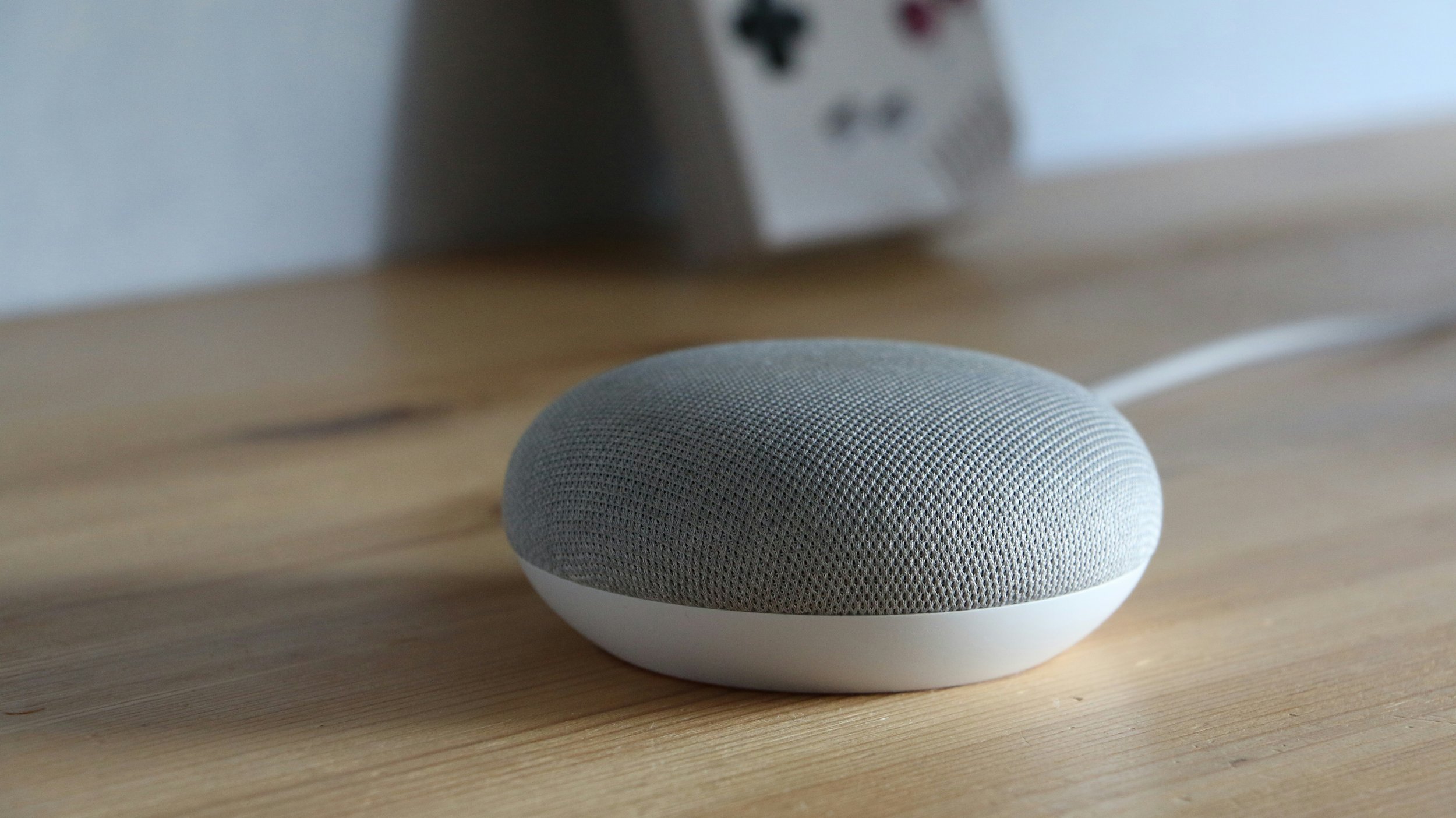
People in the United States and its territories who bought certain Google-made devices, or whose communications were recorded or disclosed by Google Assistant after a false activation, may qualify for a share of a reported $68 million privacy settlement. The claim deadline listed in the supplied settlement summaries is Aug. 27, 2026. The next step is to verify the official court notice, settlement administrator and claim form before submitting anything, because those details were not included in the evidence reviewed here.
Who may be included
The reported settlement covers two broad groups during the period from May 18, 2016, through March 19, 2026. The first is people who purchased a Google-made device in the United States or a U.S. territory. The summaries name Google Home, Home Mini, Home Max, Nest Hub, Nest Hub Max and Pixel smartphones.
The second group concerns privacy allegations. A person may qualify if Google Assistant recorded or otherwise obtained communications because it mistakenly detected its activation phrase, an event commonly called a false accept. The summaries also describe eligibility for people whose communications were disclosed to a third-party review vendor.
Household members may be included when their communications were recorded during the class period. The evidence defines a household as people sharing a common residence. A person may potentially fit both the device-purchaser and privacy-related categories, although the exact claim process and proof requirements should be confirmed in the official notice.
What the reported $68 million fund does—and does not—promise
The reported fund is a common fund, not a stated payment for every claimant. The settlement summaries say distributions would be made on a points-based, pro rata basis. That means the payment depends on the number of valid claims, the points assigned to each approved claim and deductions taken before distribution.
Those deductions may include settlement administration costs, attorneys’ fees and expenses, and service awards to class representatives, according to the supplied evidence. As a result, the advertised $68 million is not the amount each person will receive, and filing a claim does not guarantee a payment. The sources do not provide a reliable individual payment estimate.
One summary reports that eligible devices receive points, with a limit on the number of devices counted. However, the supplied text is incomplete and does not establish the full point schedule or the documentation required for each category. Readers should not rely on an assumed dollar value per device or per recorded communication.
The filing route still needs independent verification
Both supplied pages describe the Aug. 27, 2026 deadline and say consumers can submit claims. Neither source, as provided, establishes the official administrator, a court case number, a court-approved claim form or the current approval status of the agreement. That is a meaningful evidence gap for a financial action.
Before filing, look for the settlement notice issued through the court or the administrator identified in that notice. Confirm that the notice uses the same class period, device list, eligibility categories and deadline. A third-party settlement summary can help explain the allegations, but it should not be treated as proof that a particular website is authorized to collect a claim.
Consumers should preserve records that may help establish eligibility, such as Google device purchase information, account details, addresses during the relevant period and any notice or privacy documentation concerning a false accept. The supplied evidence does not say that a receipt is always required, so readers should follow the official form rather than submit unnecessary personal information to an unverified site.
What has been alleged versus what is verified here
The reported agreement resolves allegations that Google Assistant sometimes captured private conversations after unintended activations and that some audio was disclosed to outside review vendors. Those are allegations described in the settlement summaries, not findings independently established by the evidence supplied for this article.
The $68 million figure, the class period and the deadline appear consistently in both summaries. The unresolved questions are procedural: whether final court approval has occurred, which administrator is authorized to process claims, what the final point formula is, and how much money will remain after approved deductions.
Those details affect the practical decision. A reader who appears eligible may have reason to investigate before the deadline, but should not treat the reported fund as guaranteed compensation. The most useful milestone is a court or administrator notice that confirms approval, publishes the official claim route and states the final rules for eligibility, proof and payment.
The reported Google Assistant settlement presents a consumer decision, not a guaranteed payout. Two settlement summaries agree on a $68 million fund, a class period running from May 18, 2016, through March 19, 2026, and an Aug. 27, 2026 claim deadline. They also describe possible eligibility for listed Google-device buyers and people whose communications were captured after false activations or disclosed to review vendors. The important limitation is procedural: the supplied evidence does not identify the official administrator, claim form, case number or final approval status. Readers should verify those items in the court notice before sharing personal information or filing.
Sources and methodology
- Google Assistant $68M Privacy Settlement (Claim by Aug 27) - https://www.dapeer.com/open-settlements/google-assistant-privacy-settlement
- Google Assistant $68 Million Privacy Class Action Settlement - https://www.claimdepot.com/settlements/google-assistant-privacy-litigation