
Gaza doctors say cancer patients dying without treatment or travel, and the immediate stakes are clear: patients described in the supplied reporting cannot reliably obtain specialized oncology care inside Gaza or leave for treatment elsewhere. UN News documented crowded hospital departments, shortages of essential medicine and equipment, and patients holding medical-transfer papers that had not resulted in travel. The evidence points to an access crisis, not a single missing treatment.
What care has become unavailable inside Gaza?
Cancer treatment depends on a chain of services: diagnosis, imaging and laboratory work, access to appropriate drugs, radiotherapy where indicated, monitoring and follow-up care. The reports from Gaza describe failures across that chain.
Al Jazeera reported that the Turkish-Palestinian Friendship Hospital, previously Gaza’s only facility dedicated to specialized oncology care, was no longer operating after being destroyed during the war. Its report placed remaining cancer services in makeshift facilities, including at Nasser Medical Complex, where the Gaza Cancer Centre’s medical director said staff lacked diagnostic equipment and chemotherapy.
One patient interviewed by Al Jazeera said he previously received care in the West Bank and Jerusalem but could no longer travel. He specifically needed radiotherapy, which he said was not available in Gaza. That account illustrates why basic hospital access does not necessarily amount to usable cancer care.
Why doesn’t a medical referral solve the problem?
A referral only helps if a patient can cross the border, reach a receiving hospital and continue treatment. UN News reported in February that about 4,000 patients with referrals to hospitals outside Gaza had been waiting more than two years to travel. It also said the limited opening of the Rafah route that week had not made evacuation available to many patients.
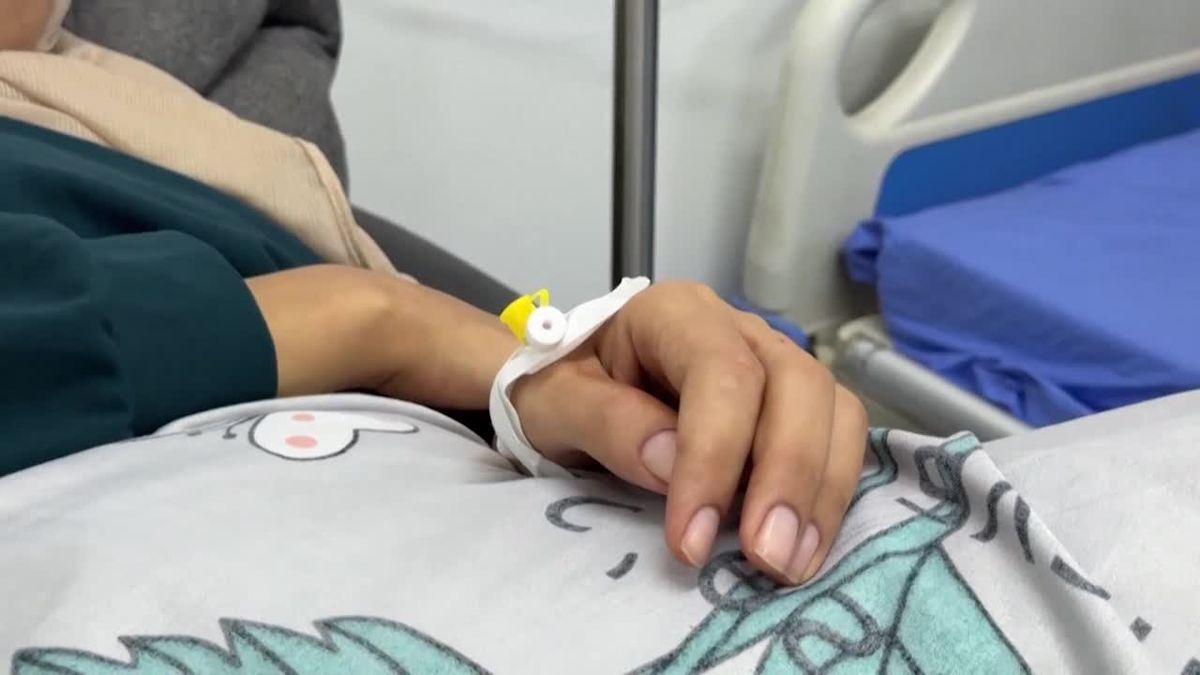
At Al-Shifa Hospital, UN News interviewed a cancer patient who said he had held transfer documents for more than two years. He described severe pain and appealed for the crossings to be opened. Another man caring for his mother said families were watching patients deteriorate without the medical resources needed to help them.
The practical constraint is therefore two-sided. Treatment capacity inside Gaza has been sharply reduced, while authorization and physical passage to care outside the territory remain uncertain for individual patients.
How many people may be affected?
The two substantive reports cite a similar estimate. UN News said local health organizations warned that around 11,000 cancer patients were being deprived of specialized or diagnostic treatment. Al Jazeera also reported 11,000 patients stranded without adequate care.
Those figures should be understood as estimates attributed to local medical sources, not as a complete independently audited registry. Al Jazeera further reported that doctors said cancer-related deaths had tripled since October 2023. The supplied evidence does not provide the underlying records, methodology or baseline needed to verify that comparison independently.
UN News separately quoted one patient at Al-Shifa as saying two or three patients were dying there each day. That is a first-hand account from one facility, not evidence of a territory-wide daily mortality rate.
What remains unverified in the latest headline?
The supplied Reuters-hosted Yahoo page carries the headline about patients dying without treatment or travel, but the evidence pack does not include a usable transcript or written report beneath it. As a result, any updated totals, evacuation pace or conditions after the January and February reports cannot be responsibly established from that page alone.
The supplied material also does not include a response from Israeli authorities to the specific patient accounts, restrictions or medicine-access claims. Al Jazeera attributed blocked departures and limits on chemotherapy entry to Israeli restrictions, but that position could not be compared with an official response in the available evidence.
What distinction should readers make when assessing access claims?
The clearest reader decision is to avoid treating a general statement that aid is entering or a crossing is partly open as proof that cancer treatment is accessible. Oncology access requires the right drugs and equipment, qualified clinical teams, functioning referral systems and actual permission for named patients to travel.
When evaluating future updates, look for documented patient departures, operating radiotherapy and diagnostic services, sustained medicine deliveries and follow-up arrangements—not only announcements about openings or aid flows. The reports support a severe breakdown in care, but they do not establish how quickly conditions may be changing or how many referred patients have since traveled.
The central issue is not merely whether hospitals remain open or aid crosses a border. Cancer care requires a continuous system, and the evidence describes breaks at nearly every stage, from diagnosis and medicine supply to radiotherapy and medical evacuation. Readers should distinguish broad access announcements from patient-level outcomes: whether referred people actually depart, whether specialized equipment is operating and whether treatment can continue without interruption. The available reports consistently support a serious care gap, but several prominent figures come from local medical sources, and the supplied evidence does not reveal their underlying data. It also does not establish how conditions changed after February 2026.
Sources and methodology
- Gaza doctors say cancer patients dying without treatment or travel - Reuters - https://sg.news.yahoo.com/gaza-doctors-cancer-patients-dying-080441663.html
- 'We just sit and cry': Gaza's cancer patients die waiting for ... - https://www.aljazeera.com/news/2026/1/9/we-just-sit-and-cry-gazas-cancer-patients-die-waiting-for-treatment
- 'We are dying': Gaza's cancer patients plead for a way out - https://news.un.org/en/story/2026/02/1166890
- On #WorldCancerDay, #Gaza's cancer patients face a ... - https://www.instagram.com/p/DUVdCSpErRB