

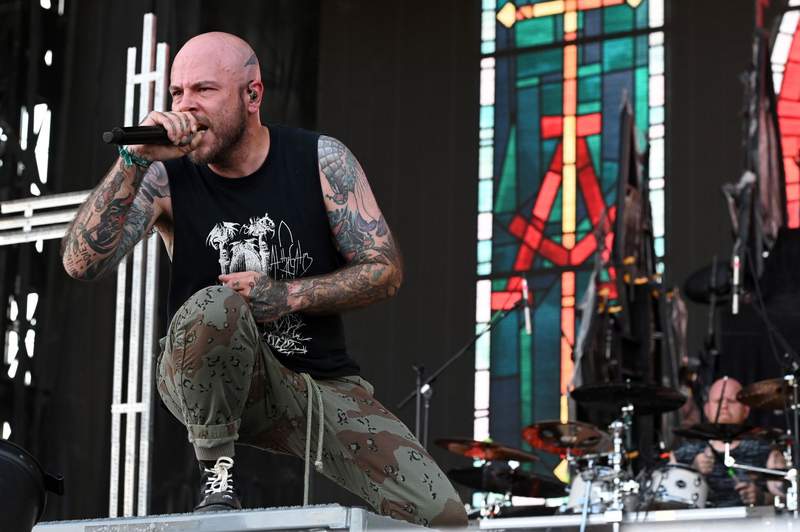
A lawsuit filed in 2026 could make a familiar entertainment habit more consequential: checking exactly which artist or show a ticket, search result or social-media post refers to before spending money. Demon Hunter says Netflix’s KPop Demon Hunters name has created consumer confusion, and its complaint points to an alleged $500 ticket mix-up as one example. The case does not establish that Netflix is liable, but it raises practical questions about who absorbs the cost when similar entertainment names collide.
Who is affected if the names are confused?
The immediate parties are Hyde Lane, the company behind Demon Hunter, Netflix Studios and concert promoter AEG Presents. The band alleges trademark infringement and unfair competition tied to the animated film’s title. The Guardian reported that the complaint describes Demon Hunter as a band with a long history of releases, touring and merchandise, while the film has extended its name into streaming, a soundtrack and merchandise.
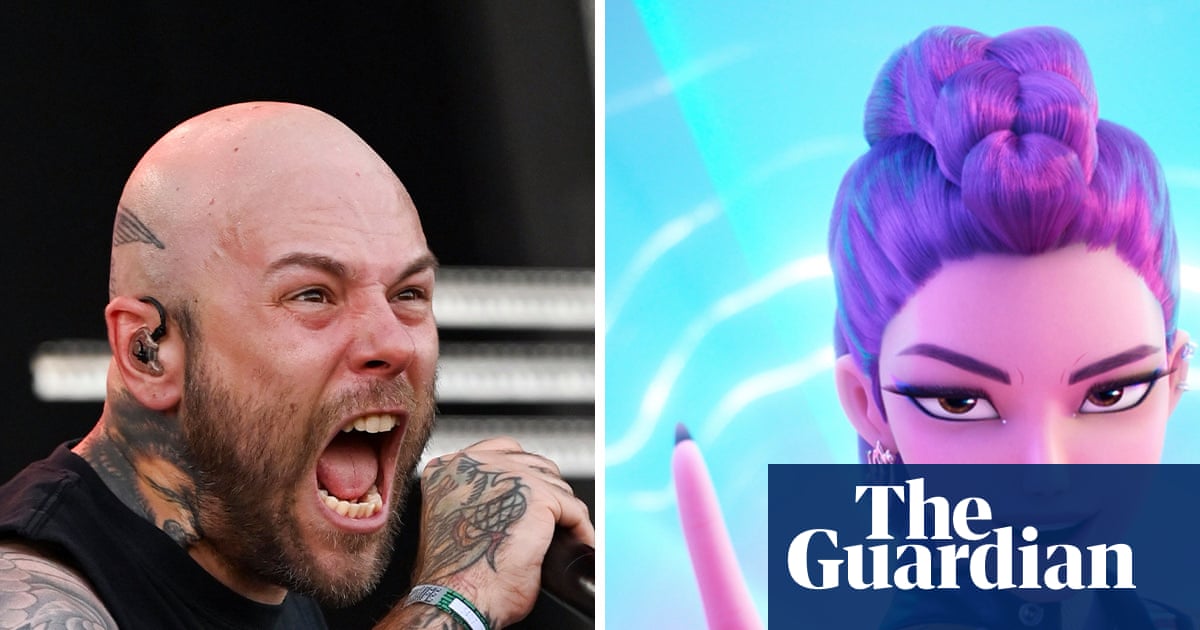
That overlap creates different risks for different audiences. Fans may buy the wrong ticket or merchandise. Promoters and venues may have to handle refunds, credits or customer-service disputes. The band may lose control over how its name is encountered online. Netflix and its partners, meanwhile, face the cost and disruption of defending a lawsuit even if they ultimately prevail.
What measurable trade-off does the complaint identify?
The clearest dollar figure in the supplied reporting is an email included in the complaint from a person who allegedly spent $500 on top-tier tickets to a Demon Hunter concert in Albany, New York. The buyer reportedly believed the tickets were for a kid-friendly K-pop show and asked for a refund or credit. The email said that without a refund, the buyer could not purchase tickets to the KPop Demon Hunters show.
That example is evidence of an alleged individual loss, not a measure of the dispute’s total financial impact. The reports do not provide a verified count of mistaken purchases, refunds, lost sales, search traffic changes or legal damages. Readers should therefore treat the $500 amount as a documented example cited by the complaint, not as a forecast of the band’s broader losses.
Is this only a ticketing problem?
No, according to the allegations described by the reports. The complaint also points to a television producer who allegedly contacted Demon Hunter’s management while mistakenly believing the band was connected to the film. Social-media users were also said to have incorrectly tagged the band in posts about the movie.
Those examples matter because a name dispute can affect attention even when no purchase occurs. A mistaken inquiry can consume management time. An incorrect tag can send an audience toward the wrong account or community. But the supplied evidence does not independently verify how often those incidents happened or whether they caused a measurable commercial loss.
What remains uncertain about the legal theory?
The central unresolved question is whether the similarities between “Demon Hunter” and “KPop Demon Hunters” meet the legal standard for trademark infringement or unfair competition. The names are not identical, and the reports identify differences in wording and context. At the same time, the band argues that the film’s success, soundtrack and merchandise have produced substantial confusion.
Those competing facts are not a ruling. The lawsuit records one side’s allegations, and the available evidence does not include a response from Netflix, a judicial finding or a final remedy. It is also unclear whether the court will restrict Netflix’s use of the film title, require another form of relief or reject the claims.
What should fans and buyers do now?
The low-cost decision is to verify the performer, event description, venue and promoter before purchasing tickets or merchandise. That is especially relevant when a listing uses “Demon Hunter” alongside K-pop or references to the animated film. The available evidence supports caution at the point of purchase, but not a conclusion that every similarly worded listing is deceptive.
For the band, the trade-off is broader: pursuing the case may defend its identity but also requires time and legal expense. For Netflix and AEG Presents, contesting the allegations may preserve the film’s branding while prolonging attention around the confusion claim.
What milestone should readers watch?
The next meaningful signal is not another social-media argument. It is a court decision on the filed claims or on any request to restrict Netflix’s use of the title. Until that happens, the verified picture is limited: Hyde Lane filed the case on August 18, 2026; the complaint cites alleged confusion, including a $500 ticket purchase; and the legal consequences remain undecided.
This dispute is best understood as a brand-control and access problem before it is treated as a settled trademark victory. The complaint identifies a concrete alleged loss—a $500 ticket purchase—but the available reporting does not quantify wider harm or confirm that the court will agree with the band’s interpretation. Fans face a simple practical trade-off: spend a few seconds verifying an event now, or risk a costly correction later. The next durable signal will come from the court, not from online arguments: a ruling or procedural decision addressing the claims or any request to limit Netflix’s use of the film title.
Sources and methodology
- Christian band Demon Hunter files trademark lawsuit against Netflix over 'consumer confusion' - Los Angeles Times - https://www.aol.com/articles/metal-band-demon-hunter-files-151353000.html
- Christian metal band sues Netflix over KPop Demon Hunters name - https://www.theguardian.com/film/2026/aug/19/kpop-demon-hunters-netflix-lawsuit
- “Demon Hunter is a well- known and celebrated metal band ... - Instagram - https://www.instagram.com/p/DcOebp0OUCv
- Netflix Faces Lawsuit From Christian Metal Band Over KPop Demon ... - https://kiss951.com/2026/08/19/netflix-faces-lawsuit-from-christian-metal-band-over-kpop-demon-hunters