
A multistate Cyclospora outbreak associated with iceberg lettuce has expanded, while federal investigators continue to update recall and traceback information. For consumers, the safest response is not to treat every head of lettuce as contaminated. It is to match products against current FDA identifiers and pay attention to persistent symptoms.
What officials are investigating
The Food and Drug Administration lists an active Cyclospora investigation linked to iceberg lettuce and has published recall information involving products supplied from central Mexico. The Centers for Disease Control and Prevention and state agencies have worked with the FDA on case identification and traceback.
Investigations can change as agencies compare interviews, purchase records, distribution data and laboratory tests. A recalled laboratory finding or corrected result does not automatically erase epidemiological and traceback evidence. It does mean that consumers should use the newest official notice rather than an old screenshot or social post.
Why recall details matter
Fresh produce can move through processors, distributors, restaurants and retailers before reaching a plate. A broad label such as “iceberg lettuce” may therefore be less useful than brand, package size, lot code, use-by date and place of purchase.
Discarding every similar product can create unnecessary waste, while assuming that a product is safe because it looks fresh can miss the real risk. Cyclospora cannot be reliably identified by appearance, smell or taste.
Symptoms and medical care
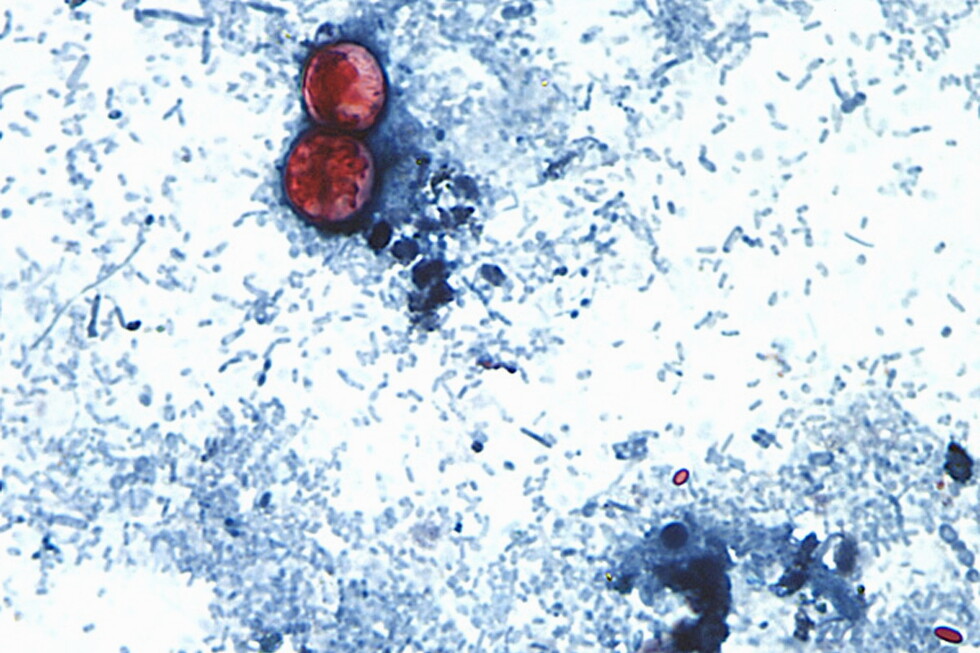
Cyclospora is a parasite that can cause watery diarrhea, loss of appetite, cramping, bloating, nausea, fatigue and weight loss. Symptoms may last or recur. Anyone with severe or persistent gastrointestinal symptoms should contact a healthcare professional, particularly if dehydration is a concern or the person has an underlying condition.
This article cannot determine whether an individual illness is Cyclospora. Diagnosis and treatment require medical evaluation. People should tell a clinician about recent food exposures and travel when relevant.
What households can do now
Check the FDA outbreak and recall pages for the latest brands, dates and distribution details. If a product matches a recall, follow the disposal or return instructions. Clean surfaces and refrigerator areas that may have contacted the product, following official guidance.
Washing produce remains a sensible general practice, but it should not be treated as a guarantee that a recalled item is safe. A recall instruction takes priority.
The larger traceability problem
The outbreak demonstrates why food-safety systems need records that connect farms, processors, distributors and points of sale quickly. Faster traceback can narrow recalls, reduce illness and prevent unnecessary disposal of unrelated products.
The most useful public communication is equally specific. Consumers need to know exactly what was sold, where it went, what dates matter and what has changed since the previous update. In a moving investigation, clarity is itself a safety tool.
Why case counts are difficult to interpret
Reported illnesses do not necessarily equal the number of people infected. Some people never seek care, some clinicians do not order a specific test and reporting takes time. Conversely, investigators may examine several clusters at once, and not every Cyclospora illness will ultimately be tied to the same food or supplier.
Dates matter because of the interval between exposure, symptoms, testing and reporting. A product can disappear from shelves while additional cases continue to enter the count. That does not necessarily mean consumers are still being exposed; it may reflect the normal delay in surveillance.
Questions consumers should ask about a notice
Check whether the notice names a brand, package, lot, date or restaurant location. Look for an “updated” timestamp and compare it with the date of a social-media post. Determine whether officials are announcing a confirmed laboratory result, an epidemiological association, a traceback finding or a precautionary recall. These forms of evidence answer different questions.
Restaurants and retailers should retain supplier and lot information because a generic product name is often insufficient for a fast response. Consumers can keep receipts or digital purchase histories long enough to check a developing recall. Those records are practical tools, not proof that a particular meal caused an illness.
People should rely on the FDA and CDC for the current scope and on a clinician for individual medical advice. The agency pages may change as the investigation develops, so Newsr will revise this story if product identifiers, affected states or official guidance change. Avoiding unsupported certainty is especially important when a correction to one test result is mistakenly interpreted as the end of an entire investigation.
What people are saying
Reddit discussions show confusion about whether every product containing iceberg lettuce is affected. That concern illustrates a communication problem but is not a substitute for the FDA recall list.
The public often experiences a food recall as a yes-or-no warning: eat the product or avoid it. Investigators work with a more complicated chain of suppliers, lots, dates and locations. When that information is difficult to use, consumers may either ignore a real risk or discard unrelated food. The outbreak is therefore not only a contamination story; it is a test of whether traceability data can reach households in a form they can act on.
Sources and methodology
- FDA outbreak investigations | https://www.fda.gov/food/outbreaks-foodborne-illness/investigations-foodborne-illness-outbreaks
- FDA recall notice | https://www.fda.gov/safety/recalls-market-withdrawals-safety-alerts/taylor-fresh-foods-recalls-iceberg-lettuce-central-mexico-because-possible-health-risk
- Associated Press | https://apnews.com/article/4756baaeb23a5f222a01ab43c89b3485