
For readers searching for Orlando Anderson after the 2026 Tupac Shakur murder trial began, the key distinction is between historical speculation and what the current court case is testing. The evidence supplied for this article identifies Duane Davis as the defendant. Prosecutors allege that Davis orchestrated the attack, while also saying he is not accused of firing the shots that killed Shakur. The supplied reports do not establish Anderson’s current legal status or prove a role for him in the case.
The trial centers on Duane Davis
Shakur was killed in a drive-by shooting in Las Vegas in 1996. Time reported that four men in a white Cadillac fired 13 shots at the vehicle carrying Shakur and Death Row Records co-founder Marion “Suge” Knight. Knight survived after being grazed by a bullet; Shakur died six days later, on Sept. 13, 1996.
Nearly three decades later, Davis became the first person charged in connection with Shakur’s murder, according to Time. He is charged with murder with a deadly weapon with the intent to promote, further or assist a criminal gang. The prosecution’s theory matters because it places the legal question on alleged coordination and responsibility, not only on identifying the person who physically fired the weapon.
That distinction limits what a reader can safely conclude about other names associated with accounts of the killing. A person discussed in historical reporting is not automatically a defendant, a charged participant or a legally established suspect. The supplied evidence does not provide enough information to make those classifications about Orlando Anderson.
What the courtroom evidence has established so far
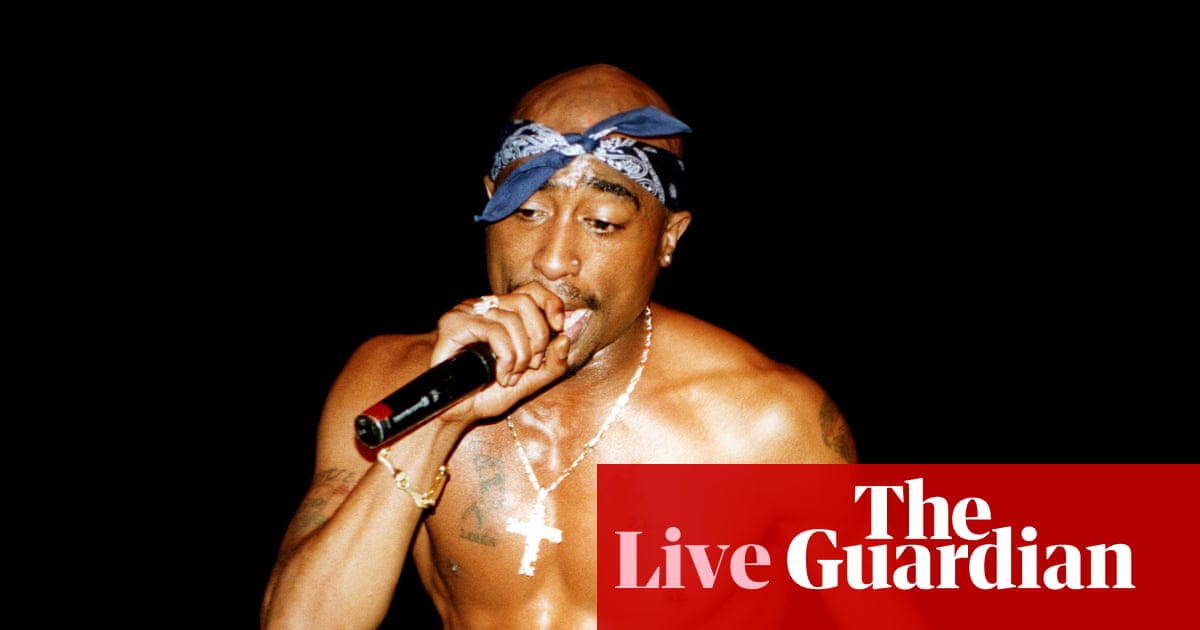
The Guardian’s live coverage of the 2026 proceedings described testimony from people connected to the former Death Row Records circle, a former Las Vegas police detective and a forensic pathologist. The coverage said Dr. Lisa Gavin reviewed Shakur’s autopsy report and photographs and testified that the evidence showed his death was a homicide.
The Guardian also reported that James McDonald, a former Death Row security officer and associate of Knight, testified during the trial. Its account described testimony about the relationships and disputes surrounding the case, including statements about whether particular people were involved. Those accounts are evidence presented in court, not findings that have already been accepted by a jury.
This is the practical trade-off for readers following the story: trial testimony can add detail and expose contradictions, but it can also repeat claims that remain contested. The legally meaningful endpoint is the court’s decision after the evidence is tested through questioning, argument and deliberation.
Why Anderson remains an unresolved search question
The available reporting explains why Anderson’s name may continue to appear in public discussion of Shakur’s killing, but it does not answer the narrower legal questions many readers may be asking. It does not say that Anderson is on trial in 2026. It does not identify him as the defendant. It also does not provide a verified account of whether prosecutors are alleging that he fired the shots, helped plan the attack or had no prosecutable role.
That missing context is not a minor gap. It changes the meaning of search results, documentaries and social posts that place Anderson’s name near the case. A reference can describe an allegation, a historical theory or a person’s association with events without establishing criminal liability. Only the court record and tested evidence can determine what the current prosecution proves.
What to watch next
The next useful milestones are not new repetitions of the 1996 mystery but developments in the Davis case: further witness testimony, expert evidence, cross-examination and the eventual verdict. Those steps may clarify how prosecutors connect the alleged planning to the killing and how the defense challenges that account.
Until then, the most defensible answer for someone researching Orlando Anderson is limited but clear: the 2026 trial is a case against Duane Davis, and the supplied evidence does not establish Anderson’s legal position or resolve the claims associated with his name. Readers should treat any stronger conclusion as unverified unless it is supported by a court filing, official statement or directly reported trial evidence.
The 2026 Tupac Shakur murder trial changes the reader’s decision point: the central question is no longer simply who has been linked to the 1996 killing, but what prosecutors can prove against the defendant now before the court. Time identifies Duane Davis as the first person charged in the murder and says prosecutors allege he orchestrated the attack. Guardian coverage documents testimony from witnesses and a forensic pathologist, while also showing the emotional cost of graphic evidence for relatives in court. The supplied reporting does not establish Orlando Anderson’s legal status or role, so stronger claims remain unverified until supported by court records or tested testimony.
Sources and methodology
- 30 Years After Tupac Shakur Was Killed, a Murder Trial ... - https://time.com/article/2026/08/16/30-years-after-tupac-shakur-was-killed-a-murder-trial-begins
- Tupac Shakur murder trial: 'You better treat me as a hostile ... - https://www.theguardian.com/us-news/live/2026/aug/18/tupac-shakur-gang-killing-murder-trial-live