
Oregon’s food-assistance system is showing signs of strain, but the available evidence supports a narrower conclusion than a simple statewide hunger tally. A report published Aug. 20, 2026, says 126,000 fewer Oregonians were receiving Supplemental Nutrition Assistance Program benefits as of June than at the same point a year earlier. The same report describes a Dallas food bank where several previously stocked items had been crossed off a list.
For households deciding whether to rely on SNAP, a food pantry or both, the practical issue is access to a dependable mix of food. The evidence indicates that fewer people were receiving SNAP and that at least one food bank had lost variety. It does not show that every Oregon household experienced the same change, or establish why the number of SNAP recipients fell.

What the evidence confirms
The reported 126,000-person difference is the clearest statewide figure in the evidence pack. It is presented as a comparison with the same time last year, but the excerpt does not provide the underlying state or federal data table, the exact months compared or a breakdown by county, household type or eligibility category.
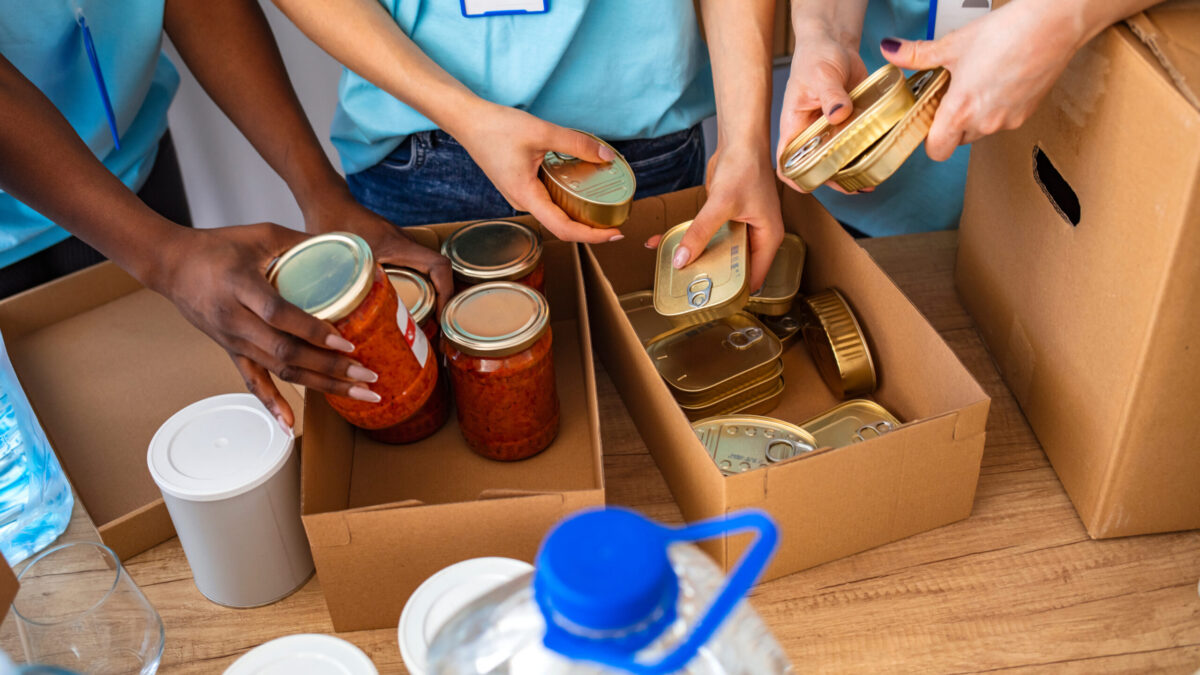
The food-bank account provides a different kind of evidence. Shelves in Dallas reportedly held canned tuna, ramen, rice, beans, tortilla chips, fresh fruit and other items. A wall list had shredded chicken, garlic knots and chile verde crossed out. That is a snapshot of inventory at one location, not a measure of all Oregon food banks. It does, however, illustrate the trade-off a pantry may face when supply changes: keeping shelves stocked may require offering fewer choices or substituting shelf-stable products for particular foods.
Why SNAP and food banks are connected
SNAP is designed to help eligible households buy food directly. Food banks operate as a separate emergency or supplemental channel, usually relying on donated, purchased or publicly supported inventory. When a household loses or receives less SNAP, it may seek help from a pantry, reduce the amount or variety of food it buys, or make trade-offs with other expenses. The supplied sources do not quantify how often any of those outcomes occurred in Oregon.
That distinction matters for readers. A food bank can fill an immediate gap, but its inventory is not equivalent to a predictable monthly benefit. Pantry supplies vary by location and date, and the Dallas example shows that even a stocked site may not have every item it previously offered. A household comparing options should therefore treat pantry availability as local and changeable rather than assume it replaces lost SNAP purchasing power.
The policy claims need separate scrutiny
The Oregon Food Bank says its 2026 advocacy campaign is responding to federal reductions and warns that policy changes could put hundreds of thousands of Oregonians at risk of losing food assistance. It also cites a 30% SNAP funding reduction under H.R. 1 and reports more than 2.9 million food-pantry visits in Oregon in the prior year, a 51% increase since 2023. Those figures and claims come from an organization advocating for an anti-hunger package, so they should be read as the group’s policy case rather than as an independent statewide evaluation.
A Penn LDI analysis separately says federal changes are expected to reduce SNAP availability and increase food insecurity, while emphasizing SNAP’s role in reducing food insecurity and supporting health. That source adds national policy context, but it does not verify the cause of Oregon’s 126,000-person decline or measure the effect on the Dallas food bank.
What would clarify the decision for households
The most useful next evidence would be an official, dated participation series showing how many Oregonians received SNAP, when the change occurred and which groups were affected. A statewide measure of food-bank visits and supply would then show whether pantry demand rose as participation fell. Without those data, it is not possible to say whether the reported decline reflects a policy cutoff, administrative change, improved economic conditions, reporting differences or another factor.
For now, the responsible takeaway is limited but actionable: Oregon’s reported SNAP decline and food-bank inventory changes warrant attention, especially for households already balancing groceries against medicine, housing or transportation. Readers should verify current eligibility and local pantry hours through official Oregon or food-bank channels before relying on a specific source of food. The broader conclusion should wait for the participation data and a comparable statewide measure of need.
The strongest verified signal is a reported year-over-year decline of 126,000 Oregon SNAP recipients, paired with a local food-bank snapshot showing reduced variety. Together, those facts suggest a meaningful access problem, but they do not prove that SNAP cuts caused the change or that every pantry is facing the same conditions. Oregon Food Bank presents federal policy reductions as a major driver, while Penn LDI offers national context about food insecurity and SNAP’s health role. The next decision-quality evidence is an official participation breakdown matched with statewide pantry-demand data.
Sources and methodology
- SNAP cuts, soaring food costs and rising hunger grip Oregon families - NPR for Oregonians - https://statelibraryeclips.wordpress.com/2026/08/20/snap-cuts-soaring-food-costs-and-rising-hunger-grip-oregon-families-2
- How we're fighting hunger in Oregon in 2026: The Anti- ... - https://www.oregonfoodbank.org/posts/how-were-fighting-hunger-in-oregon-in-2026-the-anti-hunger-package
- Deep Food Cuts are Coming for Millions of Americans - https://ldi.upenn.edu/our-work/research-updates/even-when-snap-payments-resume-more-food-cuts-will-affect-millions-of-americans