Short answer: The supplied evidence supports considering acupuncture or massage as complementary ways to manage some cancer-related pain and related symptoms, especially in people with advanced cancer. It does not show that either therapy treats cancer, replaces standard pain care or works for everyone. It also does not provide enough evidence to conclude that art therapy improves the same symptoms.
That distinction matters because a headline about several integrative therapies can make separate interventions look equally tested. They are not interchangeable, and the practical decision depends on the symptom, the person’s cancer care and what a qualified clinical team considers safe.
What the comparison actually measured
Cancer Today reported in February 2024 on a study published in JAMA Network Open in November 2023. The study compared acupuncture and massage among people with advanced cancer who reported significant musculoskeletal pain. The supplied report does not include the number of participants, so the size of the study cannot be independently stated here.
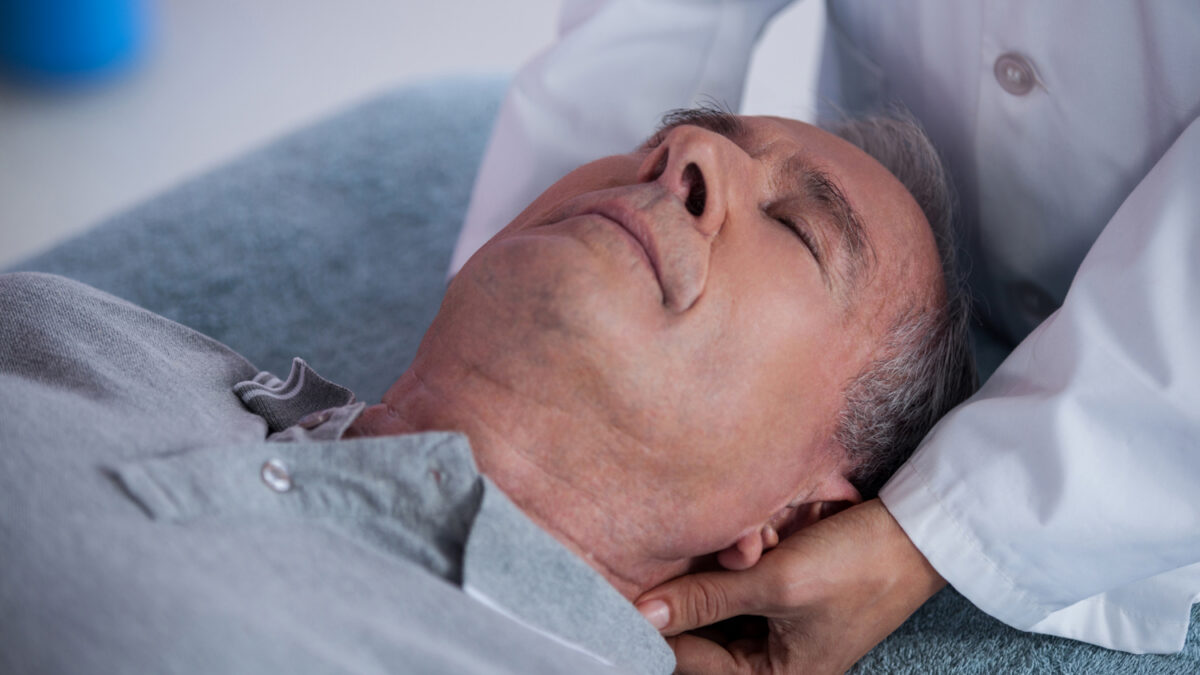
Both therapies were delivered in 30-minute sessions. The report says acupuncture involved trained acupuncturists placing 10 to 20 needles at multiple points, including areas where participants reported pain. Massage focused mainly on painful areas and used several techniques. These details describe the study intervention; they are not a guarantee that every clinic uses the same approach.
After 26 weeks, 55% of study participants treated with one of the two methods reported less pain. The report says there was no significant difference between acupuncture and massage in the amount of pain relief. It also describes improvements in fatigue, insomnia and overall quality of life.
How to use that evidence in a real decision
If pain is the main problem
The most defensible takeaway is not that acupuncture wins or massage wins. It is that both were associated with meaningful symptom improvement in the reported population, while neither demonstrated superiority. A person deciding between them can therefore consider practical factors such as availability, comfort with needles, tolerance for touch and whether the treating cancer team has concerns about a particular session.
Those choices affect access and continuity. A therapy that is difficult to reach or cannot be coordinated with oncology appointments may be less useful than an available option that the care team supports. The evidence supplied here does not establish comparative prices, insurance coverage or waiting times, so those factors must be checked locally rather than inferred.
If fatigue, sleep or quality of life are also concerns
The reported trial suggests that benefits may extend beyond pain, but the supplied account does not give separate effect sizes for fatigue, insomnia or quality of life. That means these outcomes should be treated as possible additional benefits, not promised results. They also should not be used to postpone evaluation of a new, severe or rapidly changing symptom.
Where art therapy fits—and where it does not
The trend framing includes art therapy, but none of the supplied sources provides a study result, participant population, treatment details or measured outcome for art therapy. It would be inaccurate to present it as supported by the acupuncture-versus-massage evidence. Art-based activities may be meaningful to some patients, but that is different from demonstrating an effect on cancer pain, treatment side effects or disease outcomes.
The same caution applies to broad claims about “integrative medicine.” The older review available through the National Library of Medicine discusses acupuncture in cancer care, but it was published in 2008 and is not a substitute for newer trial evidence. It also does not establish that every acupuncture technique, provider or cancer population has the same results.
Known, uncertain and next steps
Known: In the reported advanced-cancer trial, acupuncture and massage were both linked with reduced pain, with no significant difference between them. The report also describes improvements in fatigue, insomnia and overall quality of life. Cancer Today says the findings are consistent with guidance from the American Society of Clinical Oncology supporting some integrative approaches alongside conventional care.
Uncertain: The supplied evidence does not provide the study’s sample size, detailed adverse events, long-term results beyond the reported 26-week point, costs, insurance coverage or results for people with other cancer stages or symptom patterns. It also does not verify an art-therapy benefit.
Next step: Discuss the specific symptom and proposed therapy with the oncology team before starting. Ask how the therapy would fit alongside current treatment, what qualifications the practitioner has and what warning signs should prompt medical review. Acupuncture and massage should be considered complementary care; they should not replace cancer treatment or prescribed pain management. For a personal decision, the safest choice is the option that has been reviewed for the individual’s situation and can be delivered consistently.
The durable decision is not whether one popular therapy is universally best. It is whether a person with cancer-related pain can safely add an evidence-supported, coordinated symptom-management option to standard care. The supplied evidence gives acupuncture and massage a narrower, more credible role: both may help some people with advanced cancer and musculoskeletal pain, while the comparison does not prove superiority. It also exposes an evidence gap around art therapy. Readers should separate measured outcomes from promotional framing, ask for study details that are missing here and treat access, coordination and individual safety as part of the decision.
Sources and methodology
- The Value of Acupuncture in Cancer Care - PMC - NIH - https://pmc.ncbi.nlm.nih.gov/articles/PMC2642987
- Acupuncture and Massage Therapy for Cancer Pain Relief - https://integrativeonc.org/research-blog-postings/acupuncture-and-massage-therapy-for-cancer-pain-relief-evidence-based-benefits
- Using Acupuncture and Massage to Manage Side Effects - https://www.cancertodaymag.org/cancer-talk/using-acupuncture-and-massage-to-manage-side-effects
- Integrative Oncology Program Improves Patients Symptoms - https://news.uhhospitals.org/news-releases/articles/2026/07/integrative-oncology-program-improves-patients-symptoms