

California adults ages 55 to 64 are not automatically losing CalFresh, but they are now closer to the center of a new eligibility test. A federal law signed in July 2025 expanded work-related conditions for adults ages 18 to 64. California says expanded work or community-engagement participation begins June 1, 2026, while research from the Public Policy Institute of California estimates that about 1.1 million CalFresh adults could face time limits if they do not meet a requirement or qualify for an exemption.
What changed for CalFresh recipients
H.R. 1, also known as the One Big Beautiful Bill Act, changed federal SNAP rules. CalFresh is California’s version of SNAP. The California Department of Social Services says the law requires more recipients to participate in work or community-engagement activities to keep benefits, with the new participation changes beginning June 1, 2026.
PPIC describes the relevant rule as requiring adults ages 18 to 64 to maintain adequate hours of work or training, unless they qualify for an exemption. If they do not, participation can be limited to three months out of three years. The research institute also says California’s broad statewide waiver no longer applies across most of the state. In December 2025, it reported that only Colusa, Tulare and Imperial counties retained waivers because their average unemployment rates were above 10 percent.
Why the 55-to-64 group matters
Older working-age adults are not a separate automatic exemption category in the evidence provided. Instead, they sit inside the wider 18-to-64 population covered by the new rules. PPIC estimates that about 2.5 million California adults ages 18 to 64 receive CalFresh in a typical month and that roughly 1.1 million, or 46 percent, could see benefits time-limited if they do not meet a work requirement or qualify for an exemption.
About three in 10 of the adults PPIC identifies as facing potential time limits are ages 55 to 64. That makes this group large enough to matter, but the figure is not a forecast of people who will definitely lose benefits. It is an estimate of potential exposure before individual exemptions, employment records, training, volunteering and county administration are fully accounted for.
The practical trade-off: document activity or risk a gap
For an affected recipient, the central decision is administrative as much as economic: determine whether existing work, training, volunteering or an exemption can satisfy the rule, then document it consistently. PPIC notes that about 21 percent of the 1.1 million potentially time-limited adults were already meeting work requirements through earnings, employment hours or unemployment-insurance benefits when its analysis was published. That finding suggests some recipients may already be positioned to comply, although volatile work and earnings can complicate documentation.
The downside is not limited to a formal loss of eligibility. A person who works irregular shifts, moves between jobs or misunderstands an exemption could face a temporary interruption even when household food needs have not changed. The supplied evidence does not establish the size of any individual benefit reduction or the number of people who will ultimately be removed from CalFresh.
California’s separate utility change adds another cost question
CDSS also identifies a different H.R. 1 change that took effect November 1, 2025. Some households without a member over age 60 or with a disability must have heating or cooling costs separate from housing costs to claim the Standard Utility Allowance deduction. The allowance may increase monthly CalFresh benefits. CDSS says some households that previously received an energy-assistance payment connected to that deduction may instead see a lower monthly benefit, and a smaller number could lose eligibility.
That rule is especially relevant to households spanning the 55-to-64 range because the stated age threshold is over 60, not 55. A 61-year-old household member may be treated differently from a 59-year-old under the utility provision, but the evidence does not provide enough detail to calculate the effect for a particular household.
What recipients should verify before June 2026
People ages 55 to 64 who rely on CalFresh should not assume that age alone protects them or guarantees a reduction. The most useful next step is to review whether current work, training, volunteering, unemployment-insurance status or a documented exemption is reflected in their case record. They should also check whether their household’s utility arrangement could affect the Standard Utility Allowance.
The key checkpoint is June 1, 2026, when CDSS says expanded participation requirements begin. The final impact will depend on county processing, individual circumstances and which exemptions are accepted. Until those details are applied case by case, the responsible conclusion is narrower than “everyone ages 55 to 64 will lose food assistance”: this age group is part of a substantially larger population facing new compliance and documentation risks.
The broader pressure on food assistance
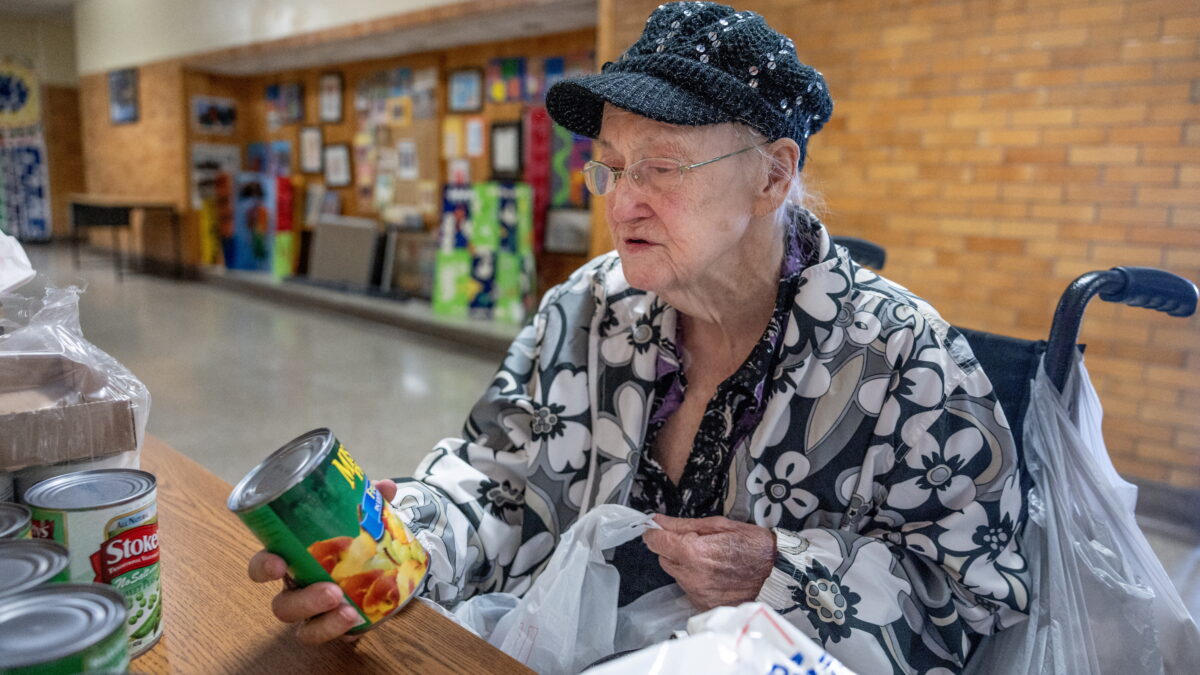
The policy shift also changes the workload for food banks and local administrators. Think Global Health reported that older adults were struggling to adapt and quoted a food-bank operations manager describing confusion about recipient-data disputes. That is a snapshot of reported pressure, not a representative survey of California recipients.
For readers deciding how urgently to act, the answer is straightforward: treat the rule as a verification task now, not as a confirmed benefit loss. Keep records, identify possible exemptions and watch for county instructions tied to the June 2026 implementation date. The available evidence supports concern about access and administrative burden, but it does not yet support a precise count of Californians ages 55 to 64 who will actually lose CalFresh.
The important distinction is between exposure to a new rule and confirmed loss of food assistance. California adults ages 55 to 64 are included in the broader 18-to-64 population facing expanded work or training conditions after H.R. 1, but individual exemptions and documented activity will determine outcomes. PPIC’s estimate shows the potential scale, while CDSS supplies the key implementation date of June 1, 2026. For households, the practical issue is whether records accurately show work, training, volunteering, unemployment-insurance status or an exemption. The evidence supports early verification and attention to county instructions, not a blanket claim that all Californians ages 55 to 64 will lose CalFresh.
Sources and methodology
- New Federal Rules Could Limit CalFresh Benefits for a ... - https://www.ppic.org/blog/new-federal-rules-could-limit-calfresh-benefits-for-a-large-number-of-adults
- H.R.1 & CalFresh: Frequently Asked Questions - https://www.cdss.ca.gov/benefits-services/food-nutrition-services/calfresh/frequently-asked-questions
- SNAP Benefits in 2026: What Older Adults Should Expect ... - https://www.thinkglobalhealth.org/article/snap-benefits-in-2026-what-older-adults-should-expect-from-work-requirements
- H.R. 1 Expands CalFresh Time Limits, Increasing Risk of ... - https://calbudgetcenter.org/resources/h-r-1-expands-calfresh-time-limits-increasing-risk-of-hunger