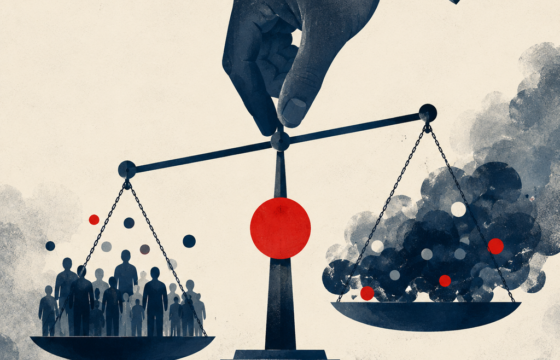


The July 2026 economic picture offers less relief than the cooler inflation headline suggests. Consumer prices rose more slowly than in June, but inflation still slightly exceeded reported wage growth, while retail sales posted a notable monthly decline. For households, that combination means purchasing power remains under pressure. For the Federal Reserve, it complicates the choice between restraining persistent price growth and avoiding additional damage to demand.
Inflation cooled without reversing the household squeeze
Consumer prices increased 3.4% in July 2026 from a year earlier, according to reports citing the Labor Department. That was down from 3.5% in June. Prices rose 0.1% on a monthly basis, indicating that the pace moderated but the overall cost of living continued to increase.
The distinction matters. A lower inflation rate does not mean groceries, rent, transportation or services have become broadly cheaper; it means their combined price level is rising more slowly. July’s annual rate also remained above the 2.4% recorded in February 2026, before the Iran war pushed energy costs higher.
NBC News reported that wage growth was running at 3.2%, slightly below the 3.4% inflation rate. That relationship is more consequential for consumers than the direction of inflation alone. When prices rise faster than pay, even by a relatively small margin, households can lose ground unless they reduce purchases, use savings or take on additional debt.
The spending decline may reflect more than caution
Retail sales slipped 0.6% in July, according to an Associated Press roundup republished by the Connecticut Post. It was described as the largest decline since May 2025. The report said a prior lift from government tax refunds had faded, making the month-to-month comparison partly dependent on the timing of that temporary support.
That creates two possible readings. The less troubling interpretation is that July represented normalization after refunds briefly raised spending. The more concerning interpretation is that persistent prices and slower wage gains are forcing consumers to pull back. One monthly report cannot resolve which explanation is dominant.
The distinction has direct consequences for businesses. Retailers and other consumer-facing companies may face weaker sales volumes even while paying elevated costs for energy, labor or supplies. Passing those costs to customers can further suppress demand, but absorbing them can narrow margins. Lower-income and middle-income households are especially exposed because essential expenses generally leave them with less room to postpone or substitute purchases.
The Federal Reserve faces an asymmetric trade-off
The Federal Reserve held its key rate at about 3.6% at its late-July 2026 meeting, according to the supplied reporting. The vote was 9-3, with three dissenters favoring an increase. That split illustrates the policy problem: inflation remained elevated, yet the spending data pointed toward softer consumer demand.
A rate increase could work against inflation by making borrowing more expensive and reducing credit-sensitive spending. The downside is that it could amplify weakness in areas such as retail activity and other financed purchases. Holding rates steady avoids adding immediate pressure, but it carries the risk that energy-related price increases spread more broadly or remain embedded for longer.
The July inflation breakdown provides some context. Shelter costs rose 0.1% and accounted for roughly two-thirds of the monthly increase, NBC News reported. Food prices also rose 0.1%, with food away from home increasing 0.3%. Gasoline fell 2.9% during the measured month, although later oil and gasoline moves suggested that relief might not persist.
What the evidence does not yet establish
No timestamped bond, stock-market or currency data was supplied, so a specific market reaction cannot be responsibly attributed to these reports. The official BLS releases and Federal Reserve meeting materials were also absent from the evidence pack; the figures here are drawn from independent news reports citing those institutions.
The next test is whether the same pattern repeats. Another soft retail-sales reading would strengthen the case that households are retrenching, particularly if wage growth continues to trail inflation. Renewed price acceleration, by contrast, would increase pressure on the Fed to prioritize inflation even if demand is losing momentum. Until those releases arrive, July is best read as a warning about competing risks rather than confirmation of either a consumer downturn or a decisive inflation victory.
Cooling inflation and falling retail sales are not automatically contradictory. Prices can continue rising while households respond by buying less, especially when wage growth is not keeping pace. July 2026 therefore shifted the focus from whether inflation had improved to whether consumers could absorb the remaining pressure. The Federal Reserve’s downside is asymmetric: tighter policy could deepen a spending slowdown, while inaction could allow elevated energy and service costs to persist. The next inflation and retail-sales reports will matter more than the July headline alone because they can distinguish a temporary post-refund adjustment from a broader loss of household momentum.
Sources and methodology
- America In Focus: Inflation cools in July, but so do consumers with their ... - https://www.ctpost.com/business/article/america-in-focus-inflation-cools-in-july-but-so-22389656.php
- US inflation slows, but prices remain high as Iran war hikes up higher oil - https://apnews.com/article/consumer-prices-inflation-fed-interest-rates-150e179a6c6b3182ba05cedf0188394b
- July 2026 CPI report: Inflation remained stubborn - NBC News - https://www.nbcnews.com/business/economy/cpi-inflation-july-2026-rcna591698
- The Conference Board Economic Forecast for the US Economy - https://www.conference-board.org/us-forecast