
Owners of a Lucid Air should verify the vehicle identification number and software version before deciding that the recall does or does not apply. Two independent reports say Lucid recalled 27,185 Air sedans in the United States because a low-voltage exterior-lighting circuit may draw excessive current, overheat and potentially cause smoke or fire. The reported software remedy is version 2.10.0 or later. However, the evidence available here does not include the official NHTSA recall notice or a VIN-level eligibility list, so it cannot confirm whether any individual vehicle is affected.
What the reported Lucid Air recall involves
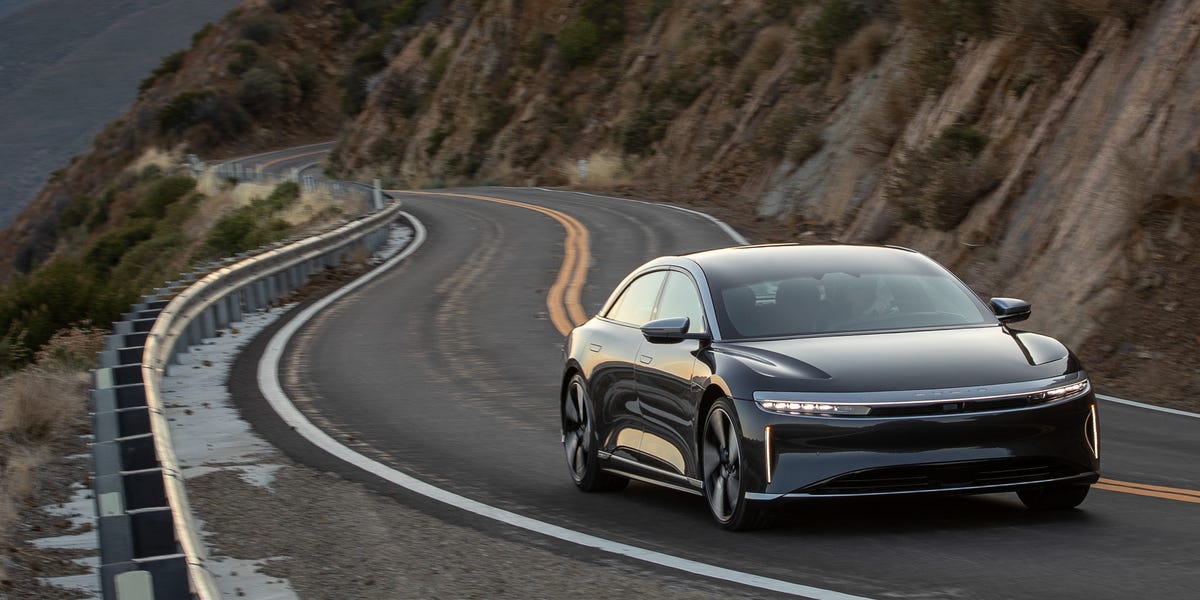
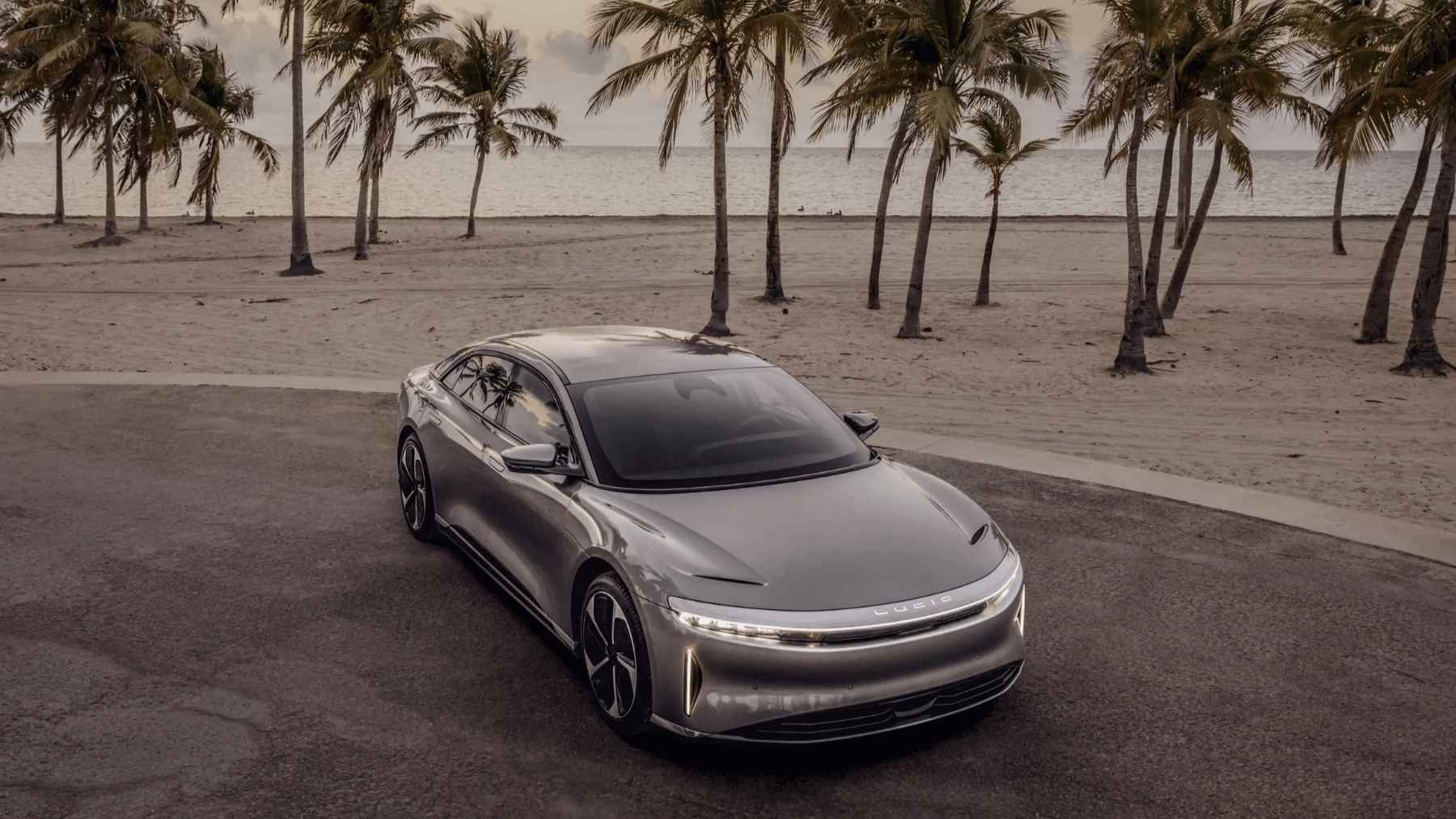
Car and Driver reported that the recall covers Air sedans from the 2022 through 2026 model years. The publication said the affected exterior-lighting circuits are powered by an eFuse, and that the existing software may not provide enough overcurrent protection. In that condition, the circuit could operate at excessive amperage, causing overheating, smoke or fire.
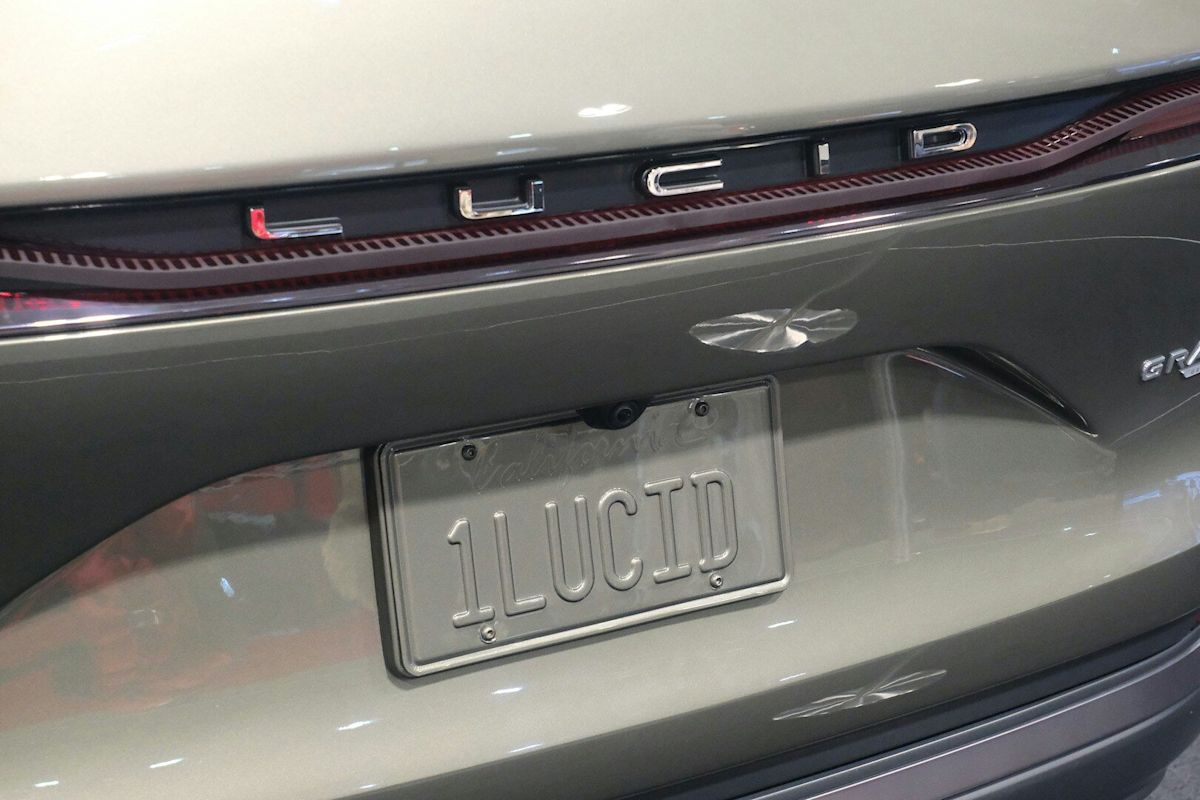
The same fault may also prevent exterior lights from working correctly. That creates a second safety consequence: reduced visibility to other road users or impaired signaling could increase collision risk. The available reports specifically mention the headlights, taillights and center high-mounted stop lamp as areas associated with the issue.
Car and Driver reported that Lucid knew of three fires believed to be related to the problem, four reports of smoke and 33 warranty reports involving damaged center high-mounted stop-lamp wiring harnesses. Those figures describe reports cited in the recall documents as presented by the publication; they do not establish that every affected vehicle has experienced a fire or wiring damage.
What owners should do now
First, check the vehicle’s software version. The reported remedy is an over-the-air update that lowers the eFuse amperage and disables a function that could allow a faulted circuit to re-energize during the same key cycle. Both Car and Driver and Quartz reported that vehicles with software version 2.10.0 or later had received the fix.
Second, verify recall eligibility with an official source. Use the NHTSA recall lookup or contact Lucid through an official owner-support or service channel, using the vehicle identification number. A model name, production year, lighting symptom, color, trim or location where the vehicle was purchased is not enough to confirm recall status. The evidence pack does not provide the official identifier list needed to make that determination.
Third, if the vehicle is confirmed as affected and has not received the remedy, follow the safety instructions in the official notice. The reports say NHTSA urged owners to keep affected vehicles parked outdoors and clear of buildings while awaiting the remedy. Car and Driver also reported that Lucid advised owners who had not updated their vehicles to contact the automaker if they needed help installing the software.
When the parking warning changes
The reported outdoor-parking guidance is tied to the vehicle remaining without the corrective software. If the vehicle has successfully installed version 2.10.0 or later, the reported recall remedy has been applied. Owners should still rely on the official recall record or Lucid’s confirmation rather than assuming an update completed because a notification appeared.
The update status matters because the mechanism is software-controlled overcurrent protection. This is not a recall that can be ruled in or ruled out by looking at the headlights, checking whether a bulb is illuminated or inspecting the car’s appearance. A vehicle can show no obvious symptom and still require an eligibility check.
What is verified and what is not
The supplied reporting consistently identifies the affected vehicle line as the Lucid Air and the reported U.S. recall population as 27,185 sedans. It also identifies the reported risk, the over-the-air remedy and the 2.10.0 software threshold. Car and Driver reported that 20,719 vehicles had already received version 2.10.0 or later when Lucid filed the recall.
What remains unverified from the supplied evidence is the official recall campaign number, the complete VIN range, the exact production-date range in the primary notice, and whether a particular reader’s car is included. The available material also does not establish a separate deadline for owners to complete the update. Car and Driver reported that Lucid planned to notify owners who had not updated by October 16, 2026, but that date should be checked against the official notice because notification timing is not the same as an eligibility deadline.
The practical decision for Air owners
If the vehicle’s official record confirms that it is affected and the software is below version 2.10.0, the decision is straightforward: arrange the reported software remedy and follow the official interim parking guidance until the update is complete. If the vehicle shows smoke, an apparent electrical fault or signs of overheating, do not improvise a repair; use the instructions and contact route in the official Lucid or NHTSA documentation.
If the VIN check does not show an open recall, that result is more useful than a visual inspection or an ingredient-style comparison of vehicle features, but owners should retain the lookup result and contact Lucid if the software status or vehicle identity is uncertain. The central unresolved issue is not whether the reported defect exists; it is whether a specific Air falls within the official campaign and has received the corrective update.
The reported Lucid Air recall is best treated as a verification and software-status issue, not as a defect that owners can identify from appearance or symptoms alone. Reports describe 27,185 U.S. sedans, a lighting-circuit overcurrent mechanism and an over-the-air fix beginning with software version 2.10.0. The available evidence supports the reported risk and remedy, but it lacks the primary NHTSA notice and VIN-level data needed to determine individual eligibility. Owners should therefore confirm both recall status and completed software installation through official Lucid or NHTSA channels, following any interim parking instruction that applies to an unrepaired vehicle.
Sources and methodology
- Lucid recalls 27,185 Air sedans in US over potential fire risk - https://qz.com/lucid-air-recall-fire-risk-082826
- Lucid Recalls 27185 Air Sedans That Pose a Fire Risk - https://www.caranddriver.com/news/a73554008/lucid-air-fire-risk-recall
- 27185 Lucid Air sedans got recalled on Friday because a ... - https://www.autonocion.com/us/lucid-air-fire-risk-recall
- Lucid Recalls 27185 Air Sedans Over Fire Risk, Fixes It ... - EV - https://eletric-vehicles.com/lucid/lucid-recalls-27185-air-sedans-over-fire-risk-fixes-it-over-the-air