
Whole Foods recalled select salsas, guacamole, pico de gallo and other prepared foods containing jalapeños sourced from Coast Citrus Distributors. The FDA announcement, dated Aug. 12, 2026, says the products were recalled because of potential Salmonella contamination. The available evidence does not include the complete product list or exact package identifiers, so it cannot confirm whether a specific container in your refrigerator is affected.
To make that decision, use the official FDA and Whole Foods notices rather than relying on the flavor, appearance, ingredients or store where the item was purchased. The key question is whether the product matches the official notice by its product name and other listed identifiers, such as package size, UPC, lot or batch code, date and sale details.
What did Whole Foods recall?
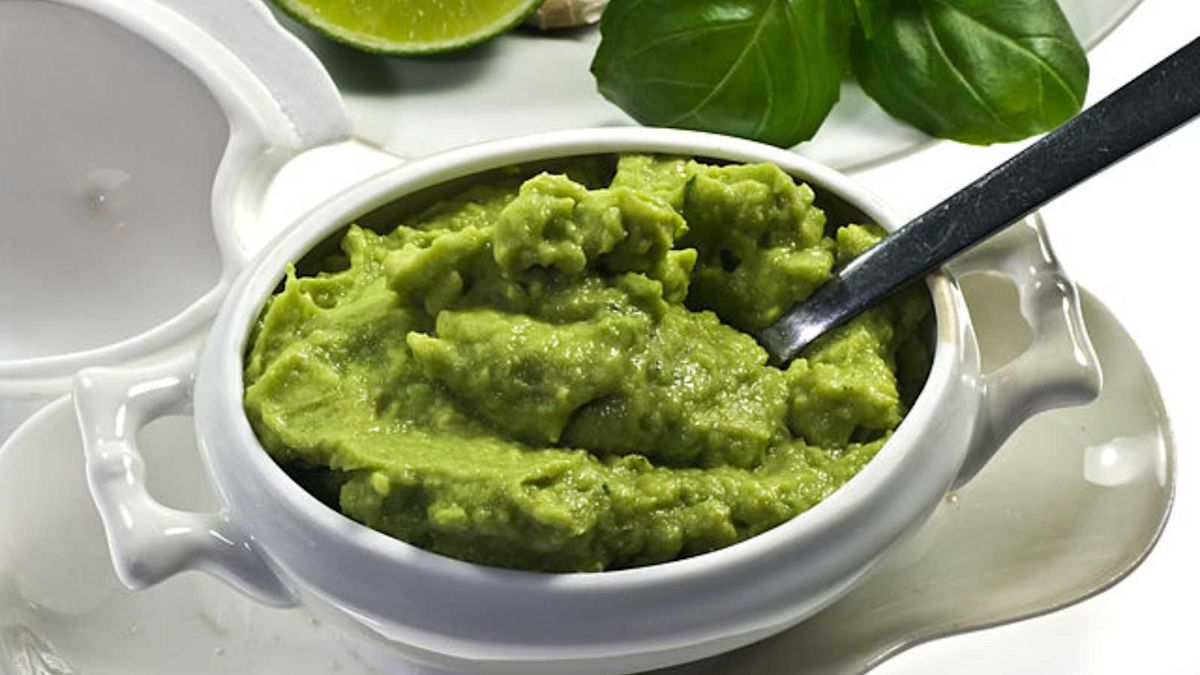
The FDA describes the recall as covering select products from Whole Foods Market’s Produce and Prepared Foods departments. The categories named in the supplied announcement include dips, salsa, guacamole, pico de gallo and other finished products containing jalapeños.
The common link identified by the FDA is the jalapeño supply. Whole Foods said the products contained jalapeños sourced from Coast Citrus Distributors. The FDA connected the recall to Coast Citrus Distributors’ recall of fresh jalapeños associated with an outbreak investigation.
That supply-chain connection explains why a product can be covered even when jalapeños are only one component of a prepared food. It also means that checking whether a container visibly contains pepper pieces is not a reliable way to determine its status. A product may qualify because of the ingredient used in its recipe, while another product in the same broad category may not.
Can you confirm that your container is affected?
Not from the evidence supplied here. The FDA page excerpt identifies the product categories and contamination concern, but it does not show the complete table of affected products, package sizes, UPCs, lot codes, dates or sale locations. Without those details, a reader should not treat a generic label such as “Whole Foods salsa” or “guacamole” as proof of inclusion.
Open the official FDA notice and the linked Whole Foods announcement. Compare your item against every identifier the notice provides. If the product name, size, code or date does not match, do not infer that it is included merely because it contains jalapeños or was sold by Whole Foods. Conversely, do not rule it out solely because the package looks normal or because the ingredient list does not make the pepper obvious.
What should shoppers do if the identifiers match?
The available report says the recalled Whole Foods products were removed from store shelves and that the FDA urged consumers who still had affected products to throw them out before taking the receipt to the store for a refund. Follow that action only for products confirmed by the official notice. The supplied evidence does not establish a universal refund deadline, whether a receipt is required in every case or whether every Whole Foods location follows identical procedures.
Do not consume a product that matches the official recall identifiers. Do not substitute a guess based on the product’s recipe, purchase location or appearance for the identifier check. If you cannot access the exact official list, the available evidence cannot confirm your item’s status; consult the FDA recall page, Whole Foods’ announcement or the retailer directly for the current instructions.
Why is Salmonella the stated concern?
The FDA says Salmonella can cause fever, diarrhea, nausea, vomiting and abdominal pain. The notice also warns that infections can be serious or fatal in young children, frail or elderly people and people with weakened immune systems. In rare cases, it says, the organism can enter the bloodstream and cause more severe illnesses, including arterial infections, endocarditis and arthritis.
Those statements describe the potential health consequences in the FDA notice; they do not establish that every recalled product was contaminated or that every person who ate one will become ill. The supplied FDA announcement says the recall was issued because of potential contamination, and the Yahoo report says the Whole Foods products were not linked to the illnesses described in its account. That distinction matters: a recall can be precautionary while the investigation continues.
Was this officially a Class I recall?
The Yahoo report dated Aug. 28, 2026, says a previous Whole Foods recall had been elevated to Class I. However, the supplied FDA page is dated Aug. 12, 2026, and the excerpt provided here identifies the recall and its reason but does not show a Class I classification. That classification therefore remains unverified in this evidence pack.
The practical decision does not change: verify the exact product identifiers in the current official notice, and follow the action stated there if your item matches. The next useful milestone is an updated FDA or Whole Foods notice that lists the affected products and confirms any classification, dates, locations or refund terms.
What remains unknown?
The evidence provided does not establish a complete list of affected products, the precise sale period, a refund deadline, the number of Whole Foods items involved or whether additional retailers will issue related recalls. The Yahoo report names Trader Joe’s, H-E-B, Kroger, Albertsons, Hannaford’s and Walmart as businesses that also used jalapeños from the supplier in various prepared products, but it says the FDA was still investigating whether more recalls were needed. That is not confirmation that any particular product at those stores is affected.
For now, the responsible answer is narrow: Whole Foods has recalled select jalapeño-containing foods because of potential Salmonella contamination, but the supplied information cannot identify every affected package. Use the official product list and exact identifiers before deciding whether your item should be discarded or returned.
The confirmed event is a Whole Foods recall announced Aug. 12, 2026, involving select jalapeño-containing products and potential Salmonella contamination. The useful consumer distinction is between a category-level warning and an item-level match: the supplied evidence does not provide enough package identifiers to confirm a particular container. A later Yahoo report describes a Class I elevation, but the supplied FDA excerpt does not independently show that classification. Shoppers should use the official FDA and Whole Foods product lists, then follow the notice's stated disposal and refund instructions only if the identifiers match.
Sources and methodology
- High-Risk Alert: This Grocery Chain's Guac And Salsa Is Now At A Class I Recall - https://www.yahoo.com/news/us/articles/high-risk-alert-grocery-chains-212309981.html
- Whole Foods Market Announces a Recall of Select Salsas ... - https://www.fda.gov/safety/recalls-market-withdrawals-safety-alerts/whole-foods-market-announces-recall-select-salsas-guacamole-pico-de-gallo-and-prepared-foods
- Guacamole, salsa, recalled in 5 states due to risk of ' ... - https://www.foxbusiness.com/lifestyle/guacamole-salsa-recalled-5-states-due-risk-sometimes-fatal-illness