

Jackie, the Big Bear bald eagle watched by a global online audience, has died after treatment for illness. The immediate story is sad. The more lasting one is what years of watching a nest together created: a community built around patience, habitat and a bird people learned to recognize as more than a clip in a feed.
What happened
Associated Press reported that Jackie died after being treated at a veterinary facility. The report said the eagle was found after a fight with other eagles and was treated for several weeks, including for anemia. The California Department of Fish and Wildlife is caring for her remains.
Friends of Big Bear Valley, the environmental nonprofit behind the camera, installed the nest cam in 2015. Its livestream documented nesting seasons, storms, eaglets and the ordinary stretches of wildlife life that rarely become a headline.
Why it matters
Most viral wildlife moments last seconds. A nest camera works differently. It asks viewers to return, wait and notice patterns: who incubates, how weather changes behavior, what a failed nest looks like and why human activity near habitat matters. That sustained attention can create a stronger link between entertainment and environmental education than a one-off animal video.
AP quoted a biologist who described the pair as part of the broader recovery of bald eagles in California. The species’ comeback followed the DDT ban and legal protections, but recovery is not a reason to stop caring for habitat. It is evidence that long-term policy and local stewardship can work.
What people are saying
Viewer communities have shared grief and memories of watching Jackie and Shadow through snowstorms, hatchings and setbacks. Newsr treats those posts as testimony to a community experience, not as a source for veterinary facts. For medical updates and decisions about the bird’s care, the responsible sources are the rehabilitation center and wildlife authorities.
What the evidence says
The documented facts are relatively narrow: Jackie died after treatment, the nonprofit’s cameras began in 2015, and the livestream has a conservation and education purpose. Claims about the precise cause of death, future nest behavior or the effect on every viewer should not go beyond official updates.
Newsr Reframed
It would be easy to turn Jackie’s death into another endlessly shared sad-animal story. The better legacy is more demanding: support wildlife rehabilitation, respect the nonprofit’s media guidance, learn how local habitat is protected and keep the camera’s original lesson intact. Conservation often begins with attention, but it only lasts when attention becomes responsibility.
Sources and methodology
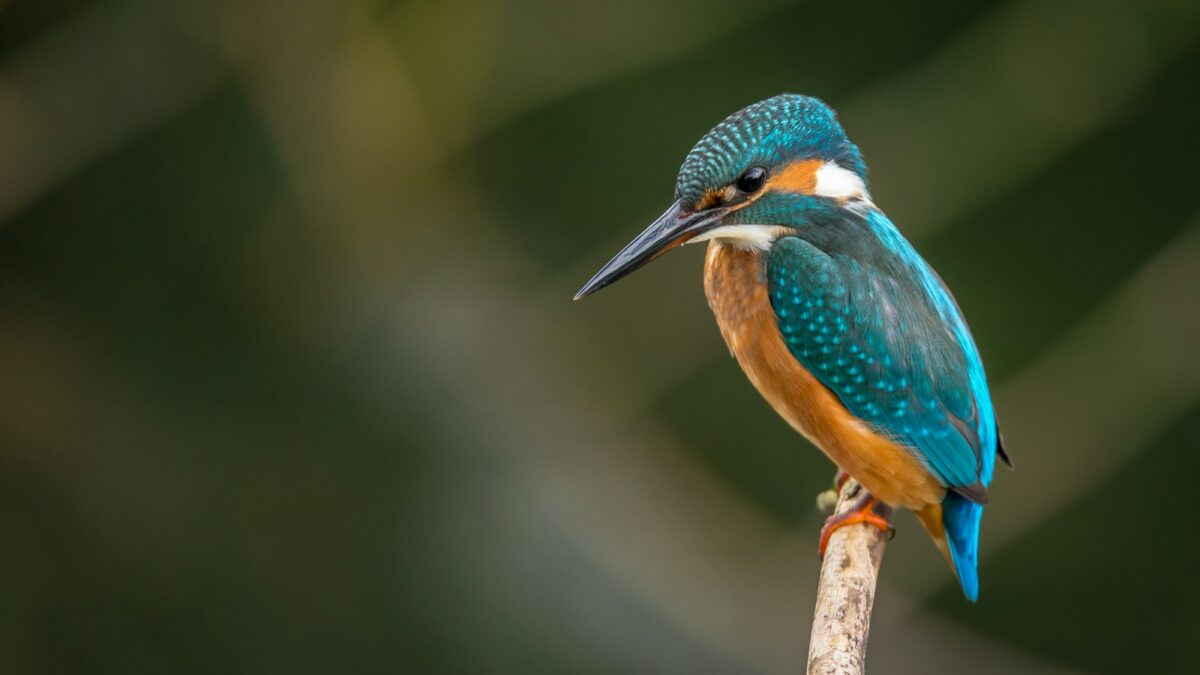
Newsr relied on AP for the death and treatment timeline and Friends of Big Bear Valley for the livestream’s history and educational mission. The featured image is illustrative and is not an image of Jackie.
What people are saying
Posts from viewers show why the loss feels personal: many people followed the nest over years, through breeding seasons, storms and recoveries. That emotional connection is real, but it is not a substitute for wildlife expertise or official updates.
A wildlife livestream becomes valuable when it turns attention into care for habitat, patient observation and support for the people doing conservation work—not when it turns an animal’s final days into endlessly recyclable content.
Sources and methodology
- Associated Press — Jackie, the California bald eagle who became an internet sensation, dies after illness: https://apnews.com/article/cdb769385bcf0501db7c78ded8fb7f2c | Friends of Big Bear Valley — Bald Eagle livestream and education: https://friendsofbigbearvalley.org/ | Friends of Big Bear Valley media guidance: https://friendsofbigbearvalley.org/media/